Let’s talk some basic survival items and why they are important
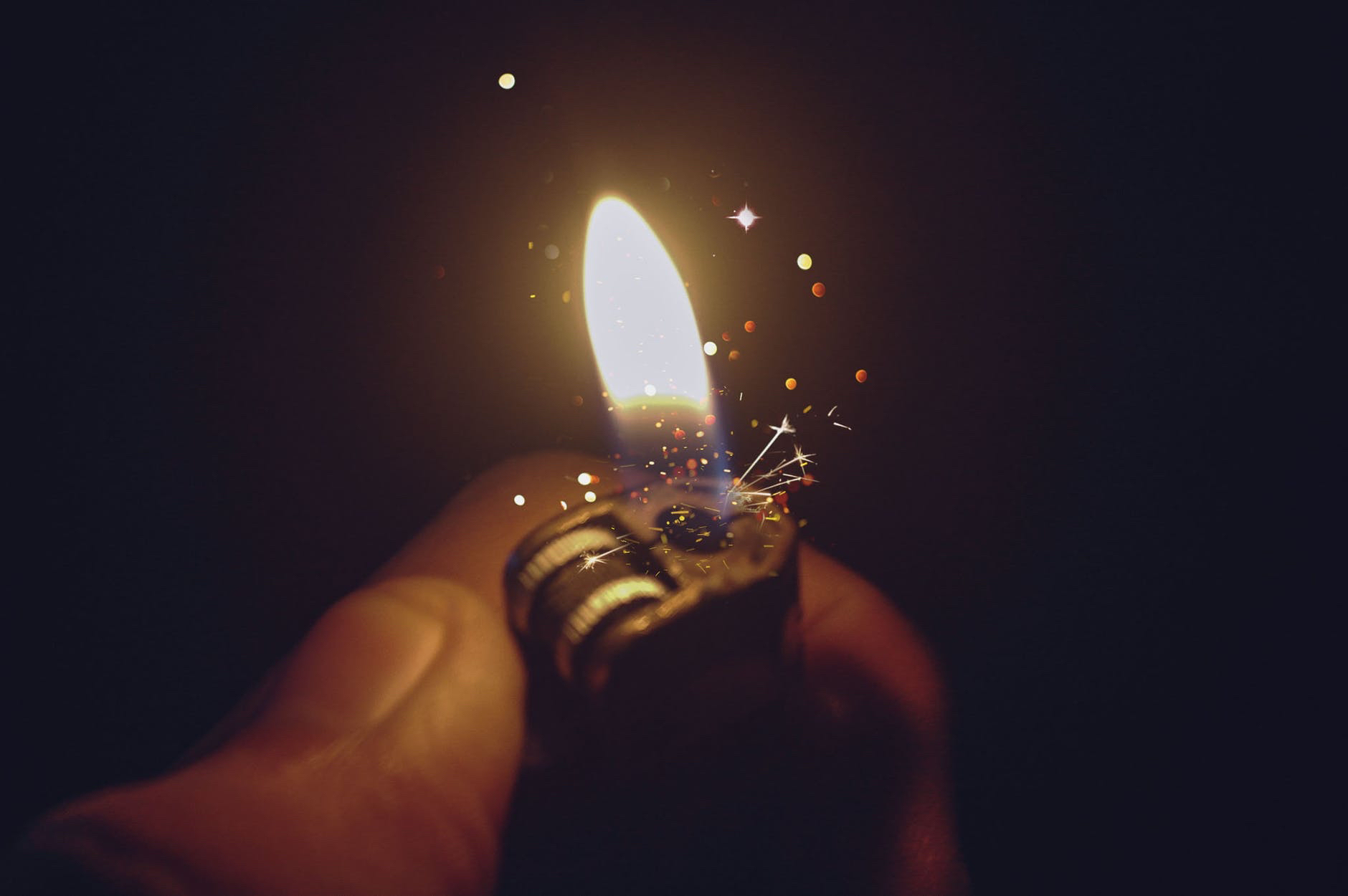
A lighter can serve many functions. While it’s primarily known for creating fire and thus light and heat, it can be a helpful tool for in-field sanitization of metal first aid instruments such as tweezers, scissors, and yes I’m going to say it – needles. It can also keep cut rope from fraying.
Foil emergency blanket or a bivy, which is an emergency sleeping bag often made out of a similar thin material, keeps heat in and water out. This is an especially good item to have in a car kit if you are driving over the mountains, or will be at higher elevations. I recommend Life Bivy by Go Time Gear. They also make a similar item called Life Tent, as an ultraportable emergency tube tent shelter.
Seattle is a rainy place – a disposable rain poncho is cheap and doesn’t take up a lot of space.
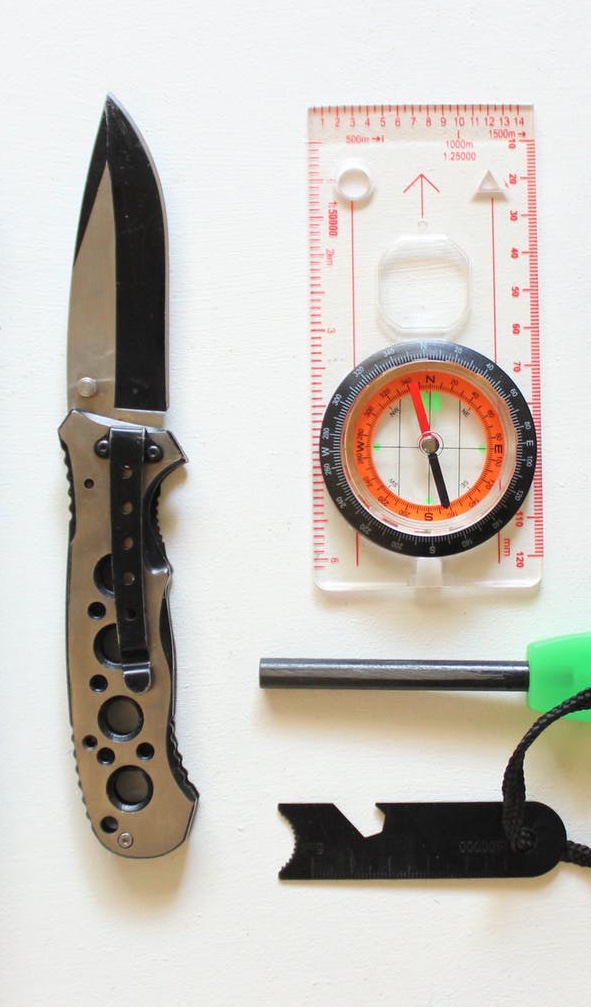
Have some type of knife and make sure it is sharp. There are all sorts of handy places a knife can be used, and often you can get a multi-purpose tool, which offers more diversity to your kit. I personally like my Leatherman Skeleton tool.
Have a whistle in your kit. Sometimes you want to be heard. You can easily buy a backpack clasp that has a built in whistle, or a paracord bracelet (now you have rope in your kit!) that has the same clasp.
While you may not need a compass, I do recommend you have a good street level map for the city/area that you live in. Think about having to navigate an unfamiliar area NOT using the maps on your phone.
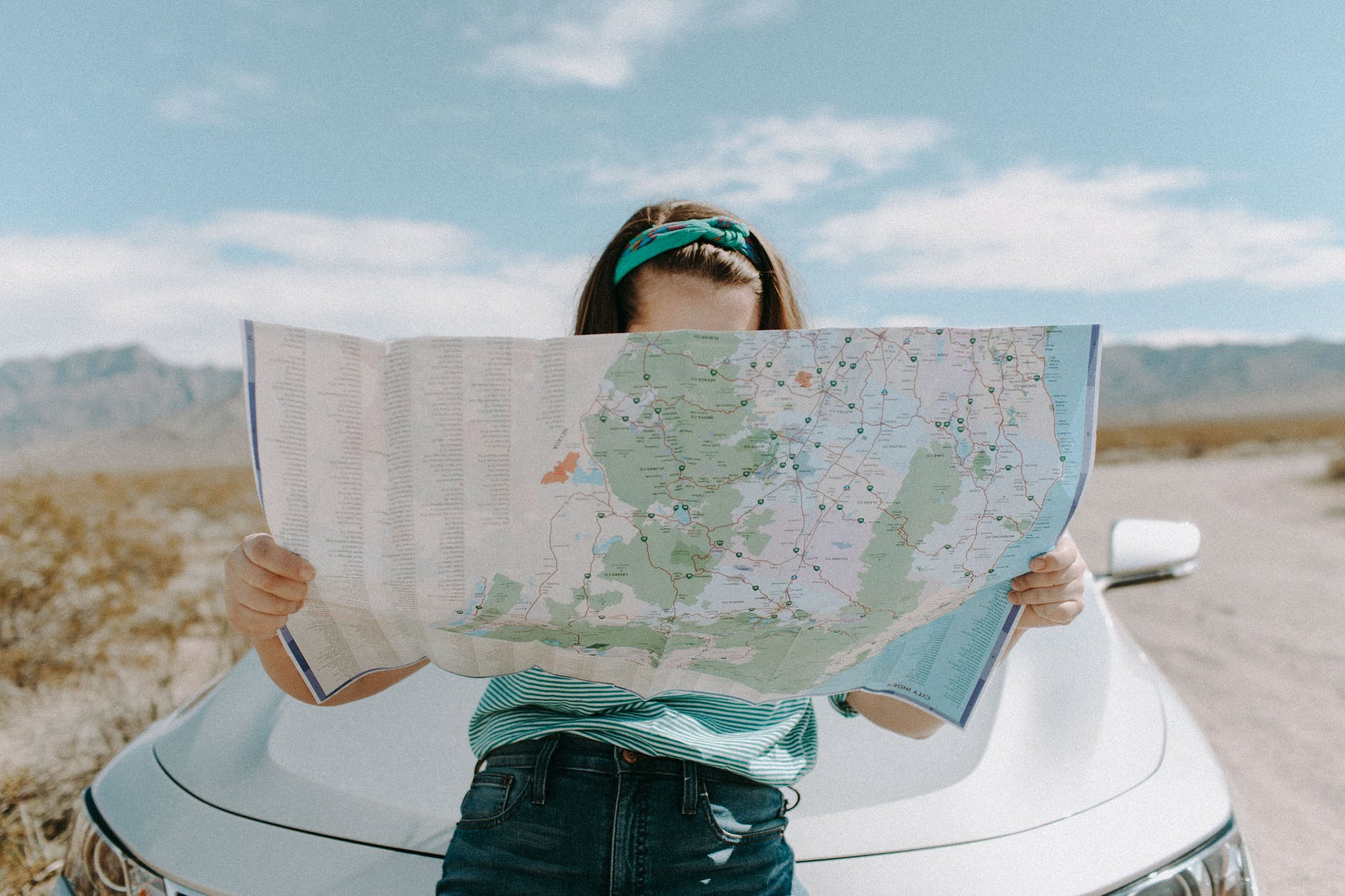
For those living in the South Lake Union through to International District neighborhoods, Streetwise makes an excellent laminated map. For other neighborhoods in Seattle I like Pearl’s laminated map. Both are slim, but robust and easy to use.
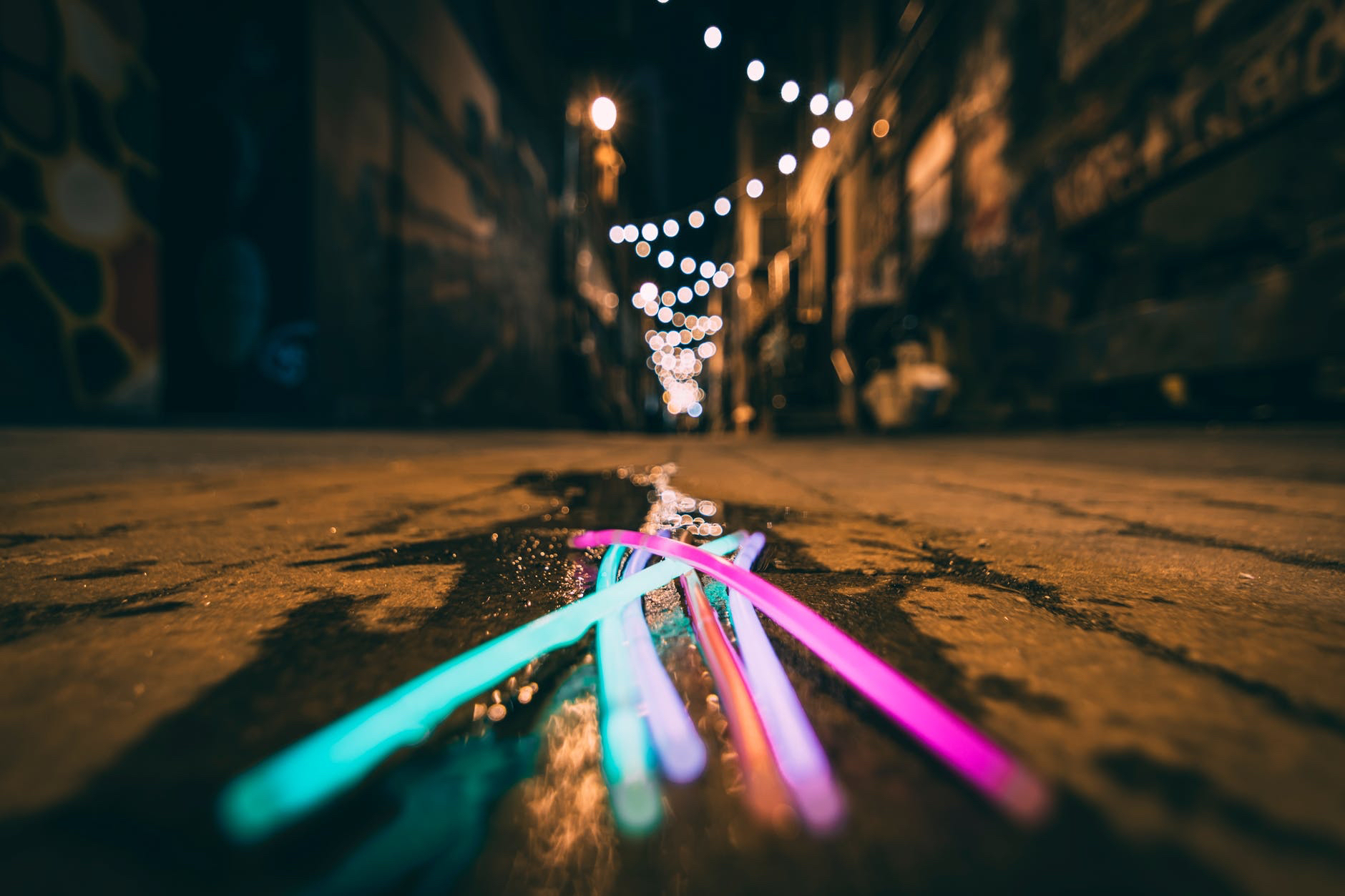
While your emergency radio can also double as a flashlight, I have three considerations for additional light sources to include in your 72 Hour Kit. Think about what you might want if camping or outside at night:
- Luci light – this is an inflatable solar powered lamp that takes up very little space and stores flat.
- A good head lamp, preferably one that is adjustable (you can point the light source up, front, or down). Pack extra batteries.
- The easiest of all – glow sticks. Great for marking spaces, paths, hazards, people, etc…
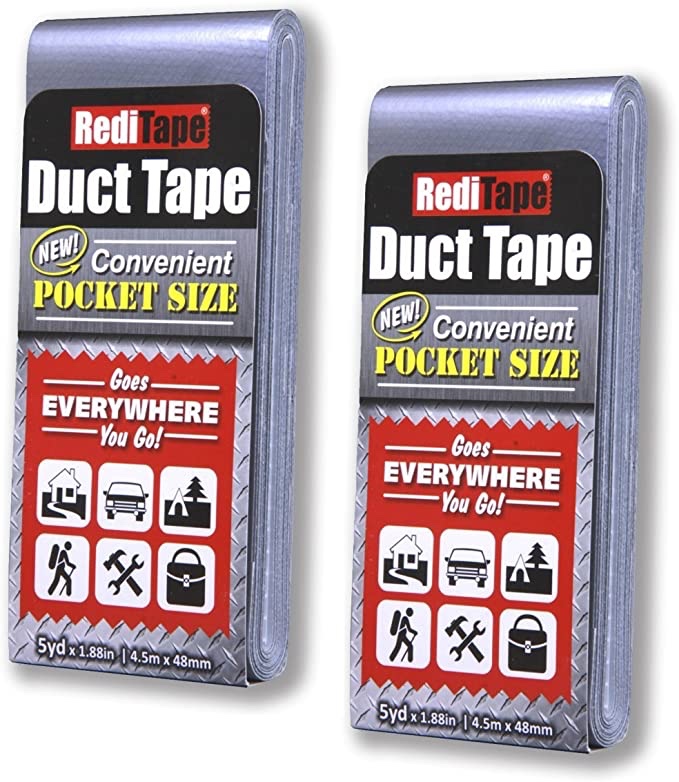
This is the best thing since sliced bread – Duct Tape that fits in your pocket! Great for a 72 Hour Kit.
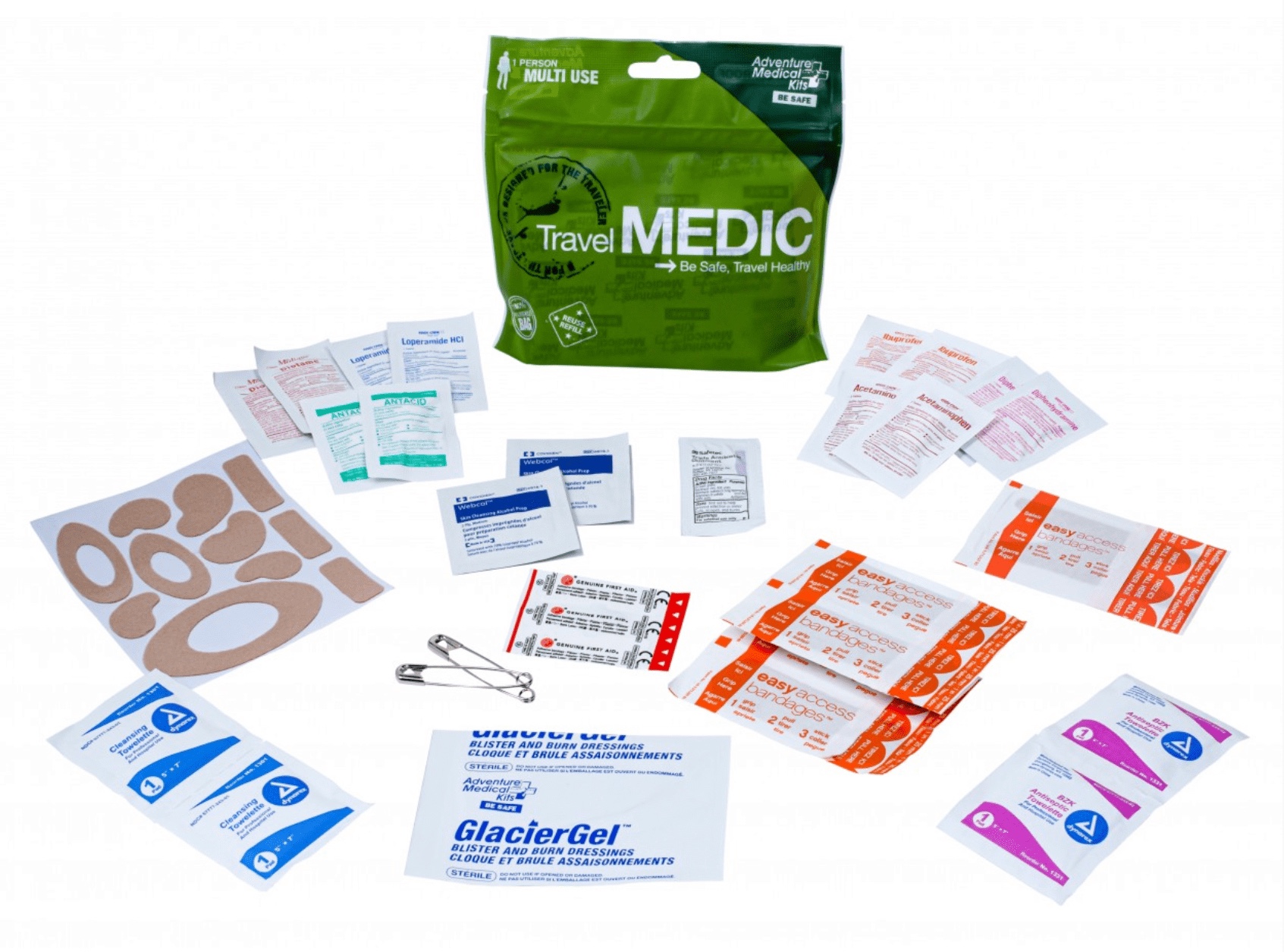
A small first aid kit – I am a really big fan of the Adventure Medical Kits Travel Medic pack. It’s an affordable $12 and has not just your regular bandaids and antiseptic wipes, but single dose packets of common over the counter medications.
It is also easy to supplement this pack. Make sure where possible to add extras of your prescription medications.
I personally supplement my kit with disposable gloves, gauze, disposable thermometer strips, Dramamine, and a triangle bandage. More info on the First Aid page.
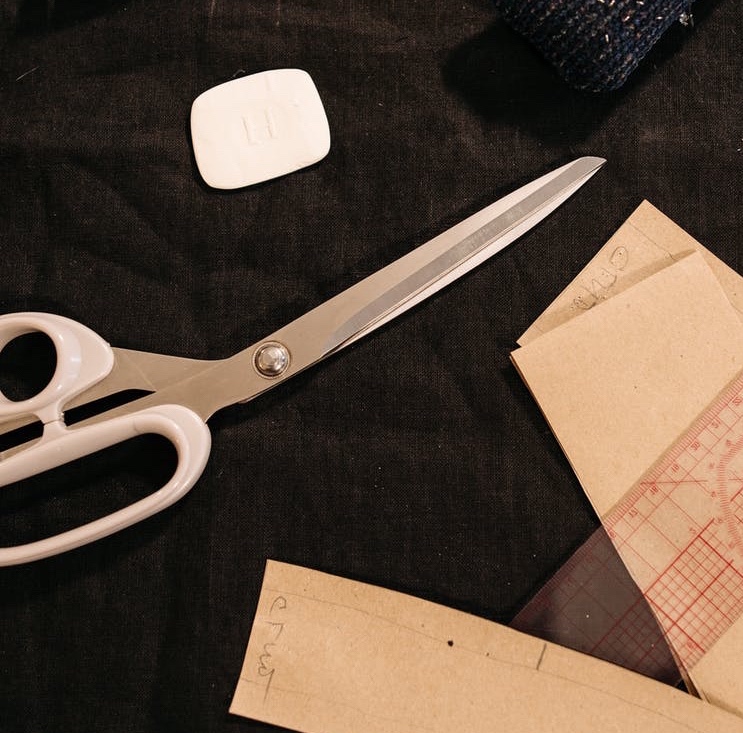
A pair of heavy duty scissors or shears. I personally like a pair of kitchen scissors.
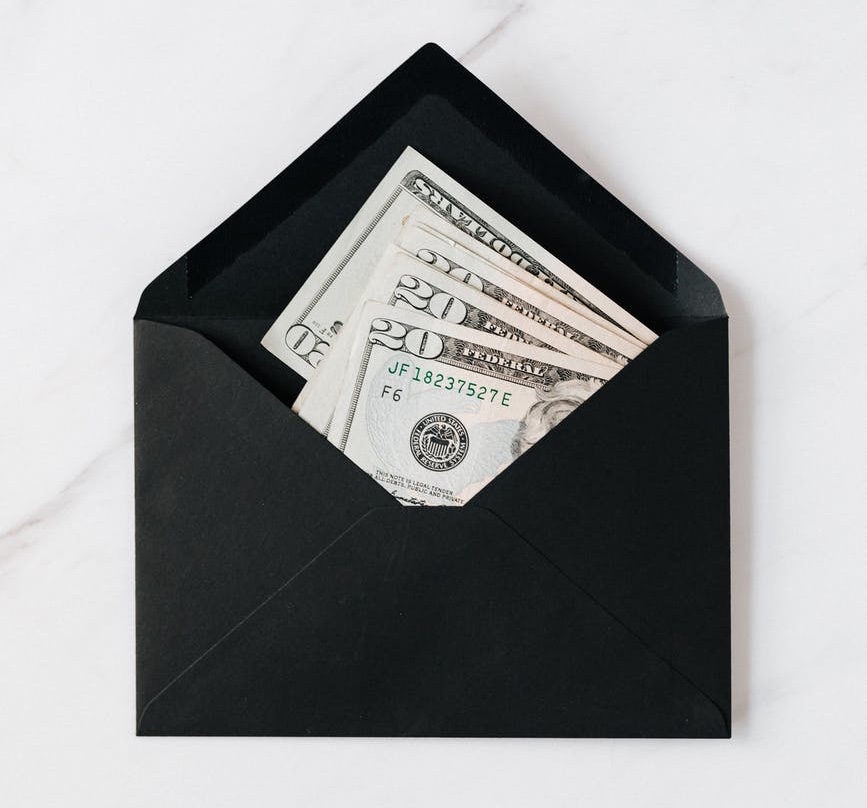
Have some cash stashed – preferably in smaller bills.

A reusable grocery bag and at least one disposable garbage bag are a great addition to any 72 Hour Kit.
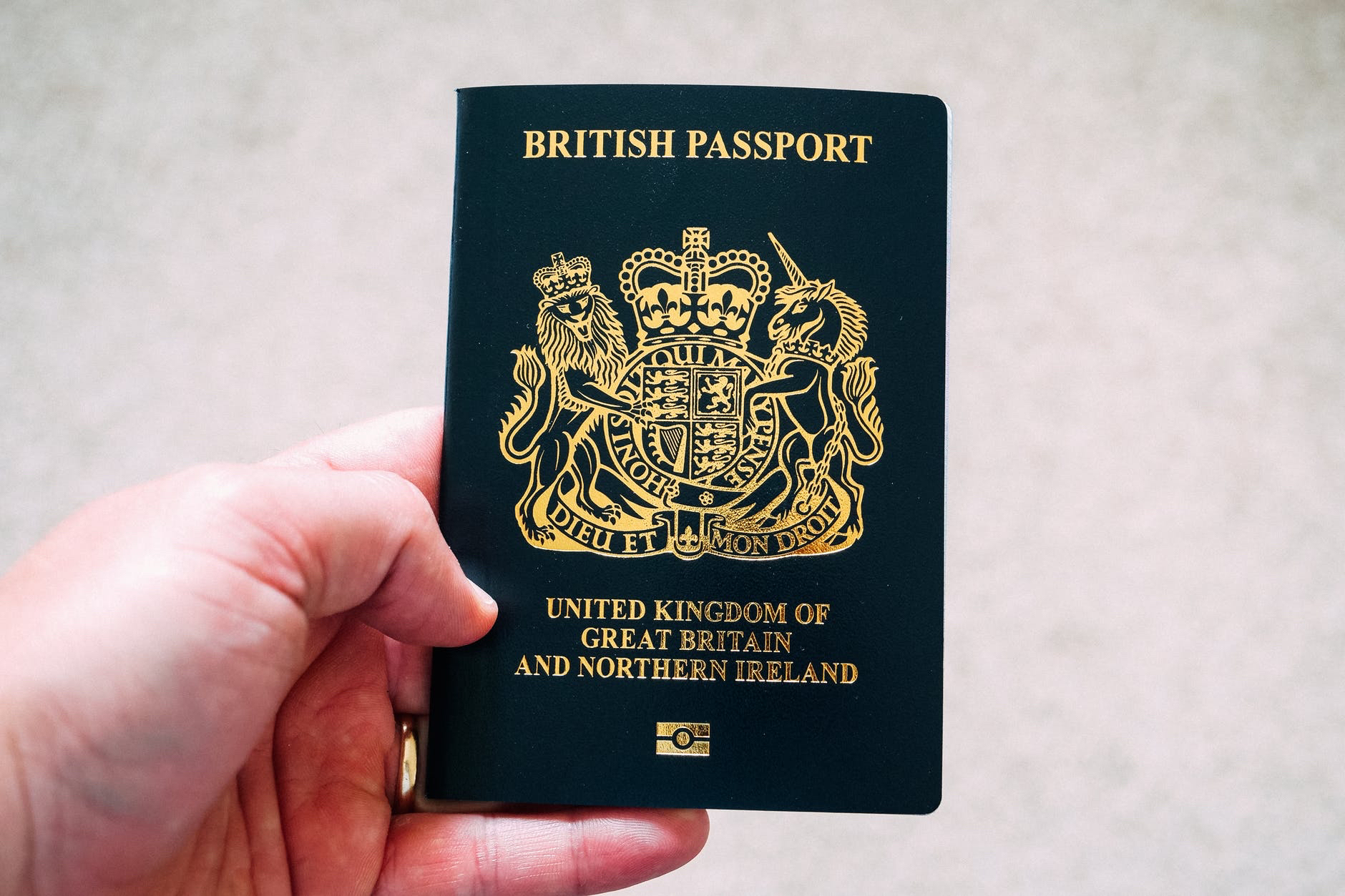
Copies of important documents including identification and insurance information. Think about what you would want a copy of if your wallet went missing. If you are concerned about security consider putting most of your important documents in secure cloud storage online, or on an encrypted USB drive in your kit.

Entertainment. In reality you may have a lot of time sitting around and doing nothing. Pack some items to pass the time – for example a small deck of playing cards, drawing or writing paper and pens, your favorite novel, etc…
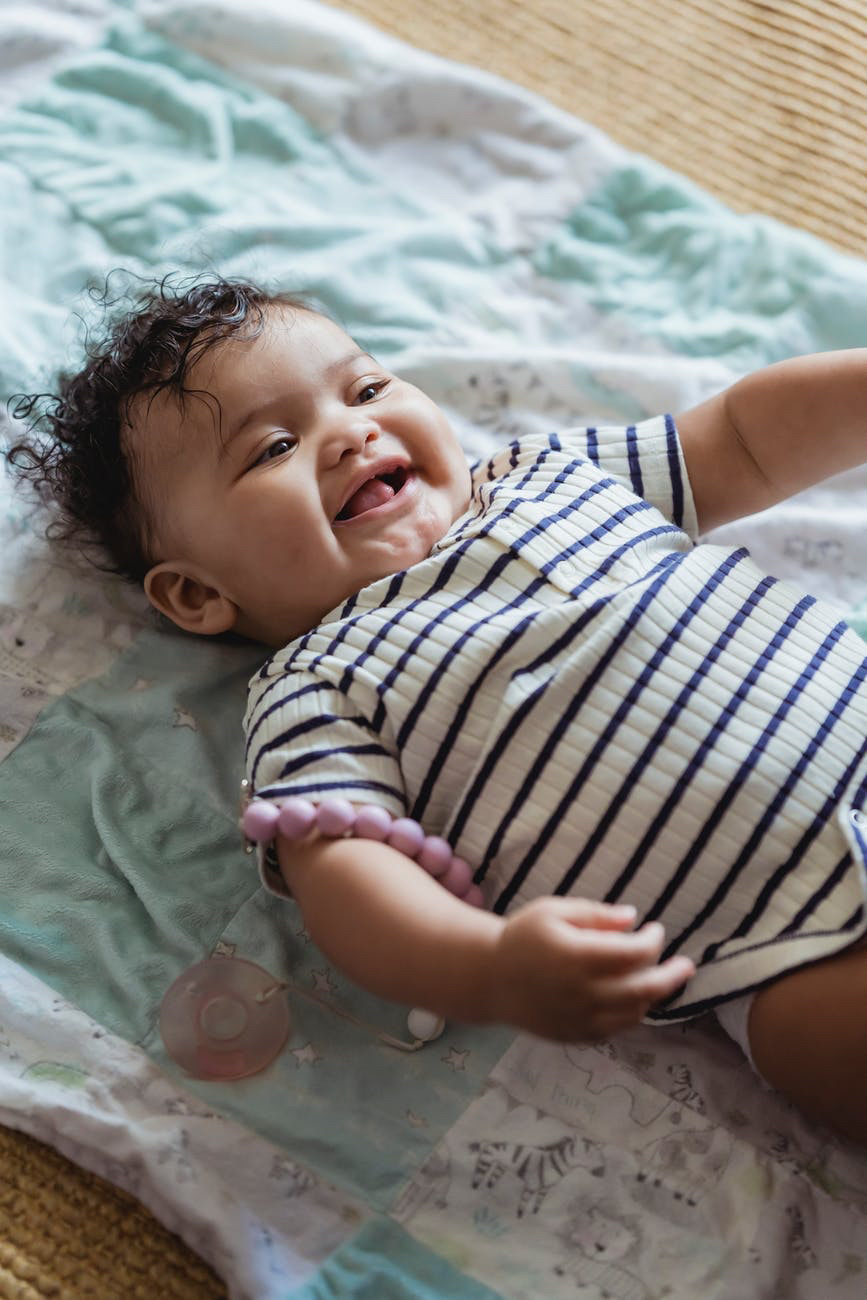
Remember to pack extra gear if you have a baby or young child, such as diapers, extra clothes, formula, bottle, snippy cup, age-appropriate food, blankets, bibs, over the counter medication for children, a comforting toy, etc…
 Be Prepared Seattle