Note that I called this section, “Stress Management,” and not, “Stress Reduction,” or, “Stress Elimination.” The reality of life is that stress is always with us, and it is something to be managed and not stamped out. Some of the most beautiful movements in life are also the most stressful. Just ask anyone who has gotten married or had a baby. The stress management goal is not to throw away our busy lives and go live in the forest. It is to be selective in reviewing that busy life – to see ways to work smarter not harder, and to implement some good common sense advice.

We all have a lot of responsibilities, desires, and dreams that are constantly vying for our time, energy, and mental space. How do you keep it all in balance? Let’s start this discussion with a little lesson on this topic from Elder Bednar, who serves as an apostle in The Church of Jesus Christ of Latter-Day Saints.
Video from 19 APR 2021 post on David A. Bednar official FaceBook account
FOCUS
SCHEDULE
MINDFULNESS
REVIEWING
One of the best resources I have ever encountered for stress management is an old lecture series called Stress Management for Professionals by Roger Mellott (Career Track, 1991). He uses the savvy skills of psychology over straight up prescriptive methods of stress management to sharpen your perception of how much energy you have day to day and how you spend that energy. The main areas discussed are change, balance, anger, and hostility. Good emotional management can also help lower the blood pressure and keep stress to a minimum.
It shouldn’t be surprising that a large part of stress reduction is implementing better work-flow habits. Or put in a simpler way: to get more organized and more savvy about what you let into your life. If you don’t have time to do that extra, “ask,” from a friend, then say so. If you have a demanding task scheduled, preemptively put yourself in a space where you won’t be distracted (including turning off your phone!!). If you have an interest in learning more about work flow management, in addition to David Allen’s Getting Things Done book and optional workbook (see the FOCUS section), I also recommend:
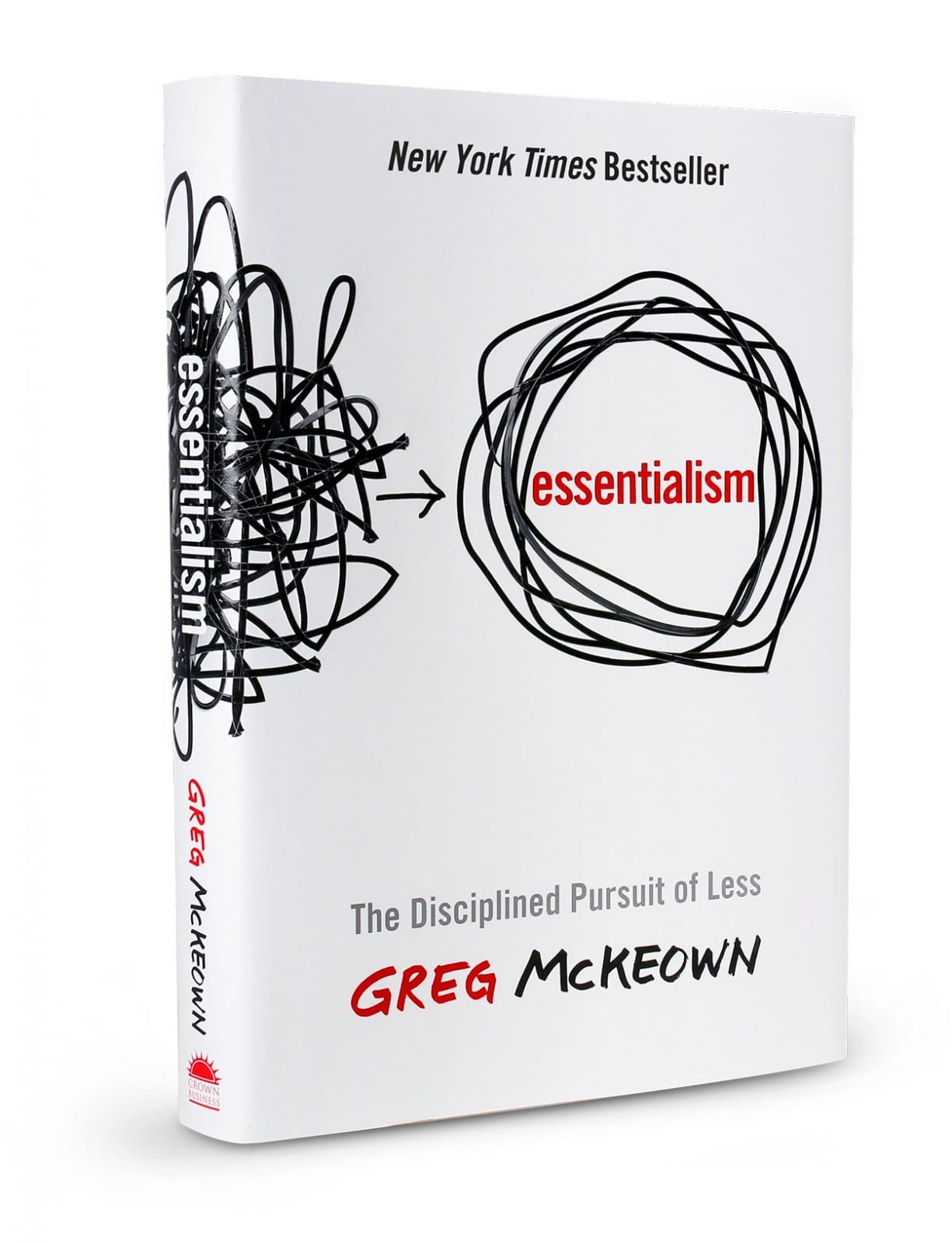
BOOK RECOMMENDATION: Greg McKeown Essentialism. This covers some basics, such as getting enough sleep, narrowing down the projects you commit to, how to gracefully say “no,” to new projects/asks, and making sure to schedule enough time for your commitments.
Note that at the time of writing this post, Greg McKeown has just released a new book called Effortless, which I very much look forward to reading.
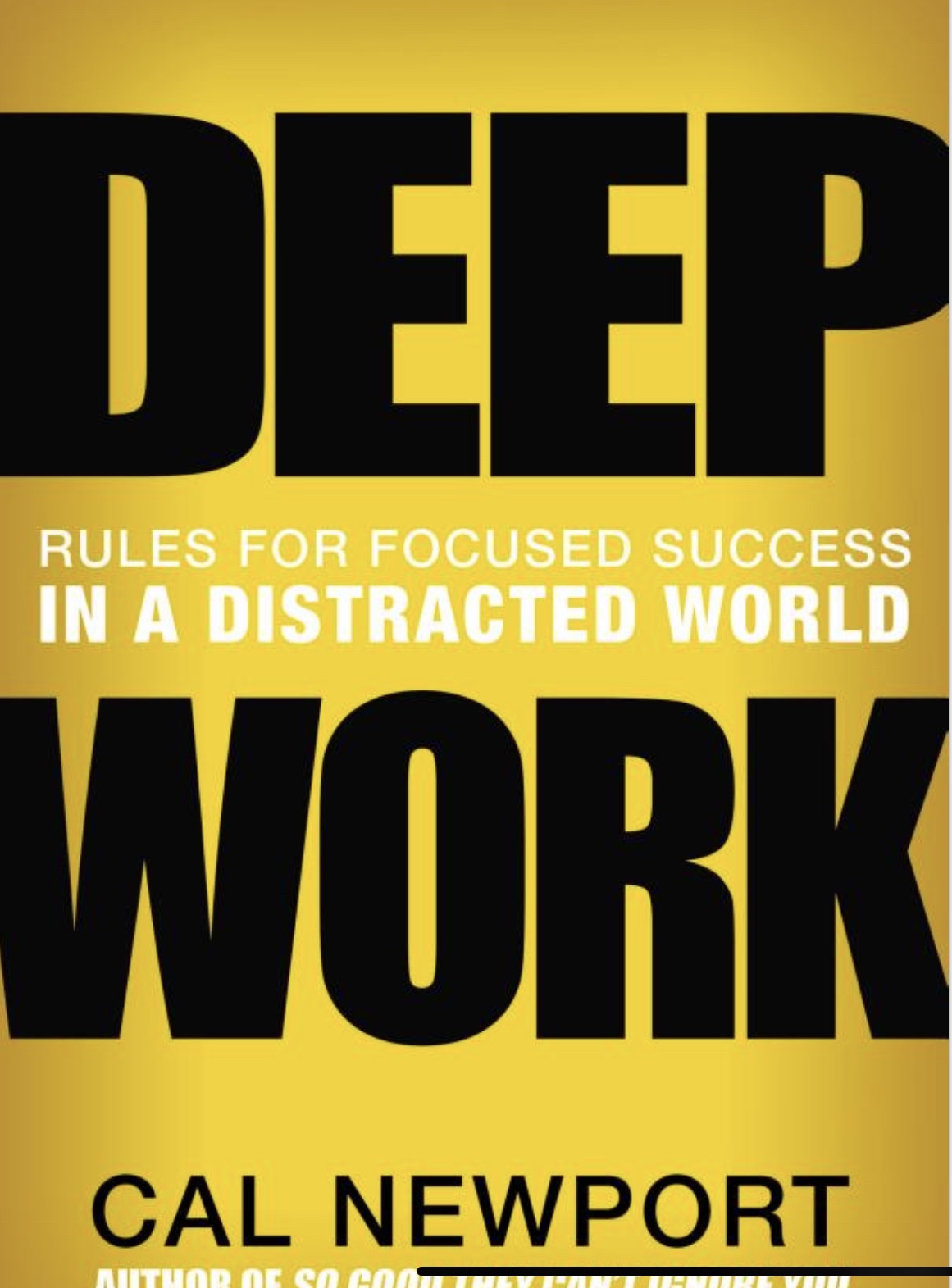
BOOK RECOMMENDATION: Cal Newport’s Deep Work. This is a more focused read than Essentialism. The book is making the argument that for work that needs a lot of brain power and focus, a 90 min chunk of uninterrupted time is the most optimal. And when he says uninterrupted – he means uninterrupted! There’s good advise on how not to be distracted by your phone and the internet (also see Cal’s book Digital Minimalism), as well as how to clear your mind and give it a break between these long work sessions. Note that if you want to cut to the chase, the second half of the book holds the prescriptive rules for enacting this system.
 Be Prepared Seattle