We all need to feel the love of friends and family in our lives – this is for our social well being. It can be easy to get wrapped up in a busy schedule and neglect the relationships of those who matter most in our lives. Find out how those who mean the most to you feel loved, and then serve them through this language. See social health as more than just connecting with those you know on social media.

Better relationships

Book Recommendation: The 5 Love Languages by Gary Chapman. This is a very well known book with several variations available including the 5 love languages for children, teens, singles, and men.
Did you know there is also an apology languages book? Gary Chapman has also written When Saying Sorry Isn’t Enough. If you feel like your apologizing but it is never accepted, maybe you are apologizing in the wrong style. You could be doing something that you would consider an apology, but the other person may not consider a genuine apology.

Many struggle in their social health due to poor relationship skills. Good relationship skills include setting healthy boundaries with others and yourself as to not violate or compromise your core values and beliefs while still respecting others and their choices.

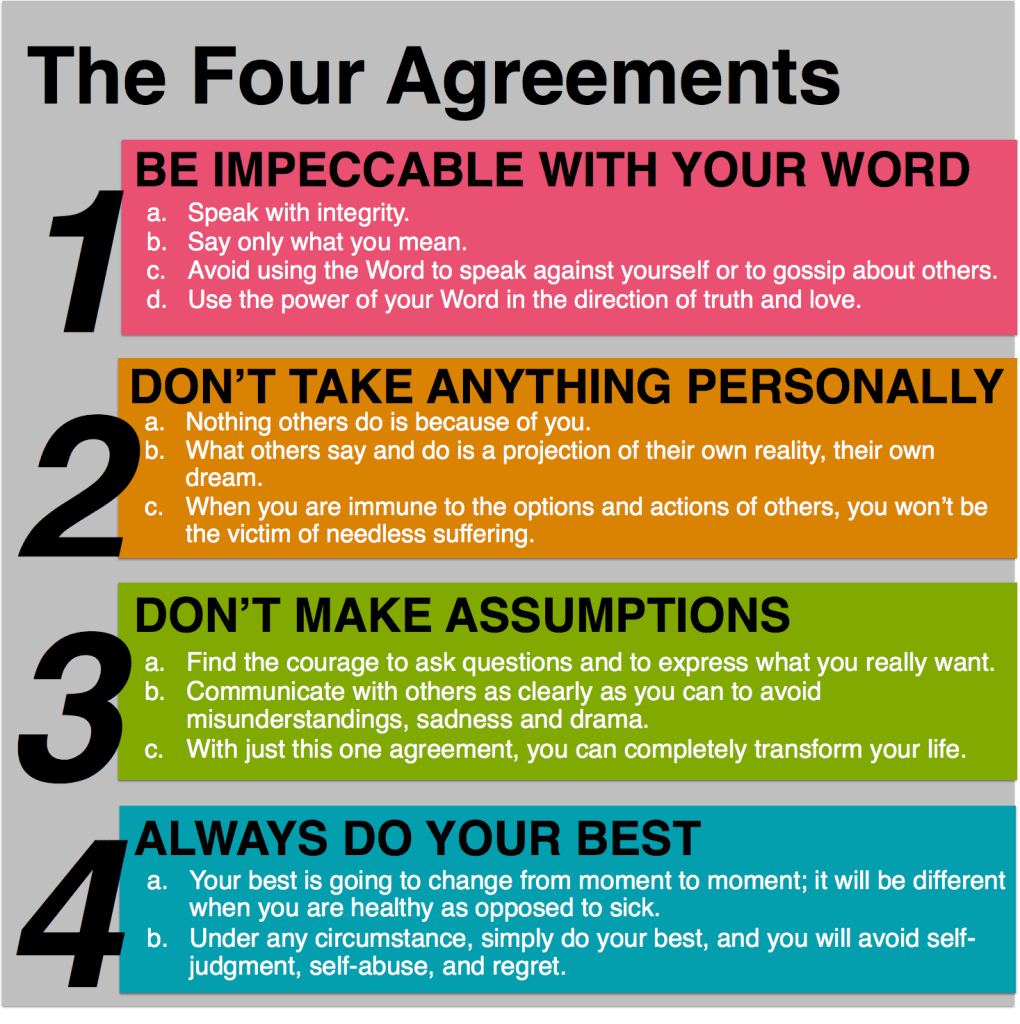
Book Recommendation: for healthy relationships of all sorts I recommend Janet Mills and Miguel Ruiz’s book The Four Agreements, which help replace conflict, drama, and emotional suffering with happiness, personal freedom, love and respect. Below are the four agreements and more can be read online or in their book.
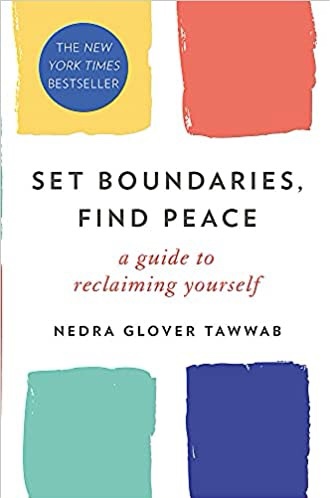
Book Recommendation – another book recommendation on setting healthy boundaries is recommended by my friend who is a Marriage and Family Therapist. The book is called Set Boundaries, Find Peace by Nedra Glover Tawwab.

Stop Abuse
Abusive relationships are socially unhealthy and are not a situation that you or your loved one has to stay in. If you or someone you know is struggling in an abusive relationship there is help. Here are just a few resources:
National Domestic Violence Hotline WEBSITE or 1-800-799-SAFE (7233). There are many different types of abuse; if you suspect abuse is going on there are ways to help.
Locally, the NPO R.E.S.T. (Real Escape from the Sex Trade) has a hotline, resources, and drop in centers.
Making friends
Some desire more meaningful relationships in their lives or wish they had more friends. While you may join clubs, go to classes, or attend church to find friends, I want to share the spectrum of how you move from being strangers, to acquaintances, to friends. This does take time and effort, but can very rewarding.
Credit for this idea goes to one of the bishops over the congregation I attend – Josh Heckathorn.
The spectrum of stranger to friend:
0 – complete stranger: don’t recognize face or know name
1 – recognize face or have seen before, and may have been told a name, but don’t remember it
2 – remember both name and face
3 – know one or two facts about the individual, aside from name and face
4 – know more than just one or two facts about the individual, including more specific information such as where the person works, and not just their occupation, etc…
5- You are able to hold a spontaneous conversation that is relevant to the individual and does not feel awkward
6 – you now something of the emotional state of the individual: what makes them tick, what makes them happy, maybe some of the sorrows they’ve experienced, or current trials they are going through
7 – “building empathy” stage: knowing someone develops from knowledge about an individual into feelings for an individual. You care about the knowledge gained in steps 0-6. The friendship takes on an equal giving-taking exchange.
8 – “lunch friends,” you would totally be find meeting up outside of work, church, that play group you both attend, etc… for a prolonged chat.
9 – You are good friends, and this friendship would continue even if logistical variables changed, such as moving or not living in the same city, country, time zone, etc…
10 – BFF – Best friends forever – you know so much about each other that you act like an old married couple. There is a strong shared history, a strong desire to look after and support each other.
While this is not a scientific scale, there are three switch-points that I would like to highlight and discuss. Such points of change are not like the sudden change on a train track line that shifts at a junction, but more like the slow metamorphosis found in nature as we watch growth progress and unfurl its designs.
The first switch-point is moving from being a “stranger” to that of an “acquaintance.” A lot of that power is in knowing someone’s name and using it. Seeing a neighbor and being able to call to him or her by name can go a long way in building friendly relations. The knowledge that your name is known can be powerful.
The second switch-point is moving from that of an acquaintance to that of a friend. Friendship is created by how close we are to someone – specifically in the area of feelings. This is reflected in the 0-10 scale where there is a major shift after a rating of 5. This is where a transition from recognition, remembrance, and facts about an individual shifts to knowing about the emotional state and fostering empathy for another.
As you move from acquaintance to friend the information you know about someone changes from a two dimensional “knowledge and facts” CV that you could obtain from others or online (social media), to something deeper. It is our in-person exposure that we see true expressions of emotion and real reactions to life. This fill in an individual and is a much clearer picture of an individual than trying to reading between the lines of emoji.
As one both gets to know some of the emotionality of an individual, and cares about those feelings, there can be a greater desire to care for that person. Through this process of building friendship you may be exposed to new interests and views, and visa versa. What is important to those you are getting to know may take on a new level of interest or importance in your own life. This can feel refreshing, and drive a desire to spend more time together. It also broadens the common ground sought for when building a friendship. As the interests of friends become incorporated into your life, it illustrates the need for friends who are a good influence in your life.
The last switch-point is getting beyond the conditionally of friendship
I would warn against trying to be too manicured in engineering either relationships or large amounts of change. Stable relationships start with friendship and grow with love. Do not usurp the organic process of getting to know others. Similarly, lasting change starts small and develops over time. Be aware of how well your attentions in building a friendship are being reciprocated. Don’t force or push is someone acts like they don’t want to be your friend. Above all be kind and wise in your effort to get to know the others.
 Be Prepared Seattle