Book recommendation
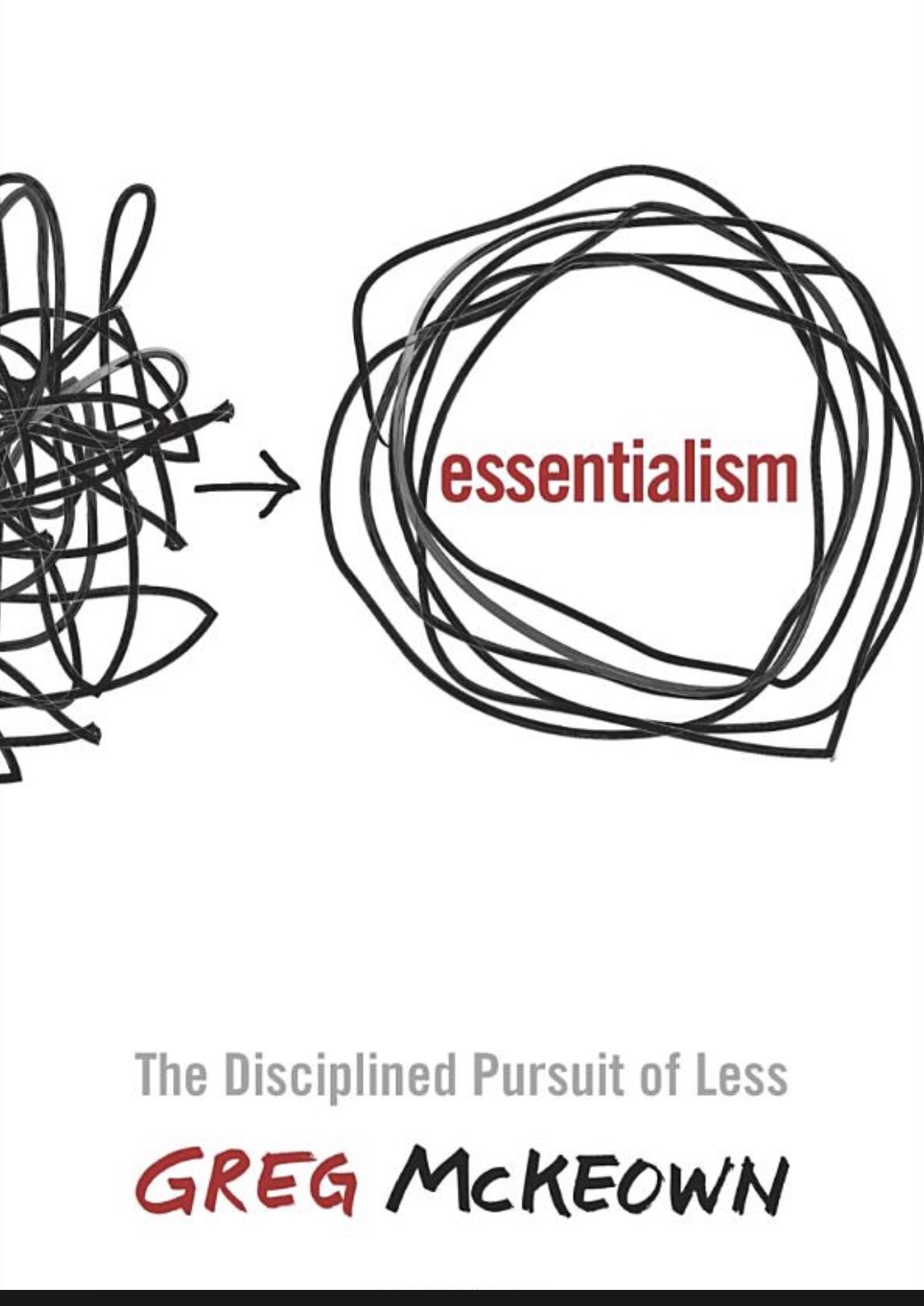
Chapter 8 – Sleep. In his book Essentialism (Currency. 2014), author Greg McKeown describes sleep as, “protecting the asset.” The asset is you! You are worth getting a good nights sleep and feeling rested. This is one of the main ways you can perform highly during your waking hours and make the biggest contribution and impact on the world. It’s not fun to feel sleep deprived, and often that lack of energy takes a toll on both health and relationships.
It is recommended to get around 8 hours of sleep per night. Some need more and some need less. And when I say less, I mean that everyone needs MORE than 6 hours of sleep per night. A comprehensive web resource about sleep is that of the American Academy of Sleep Medicine – sleepeducation.org.
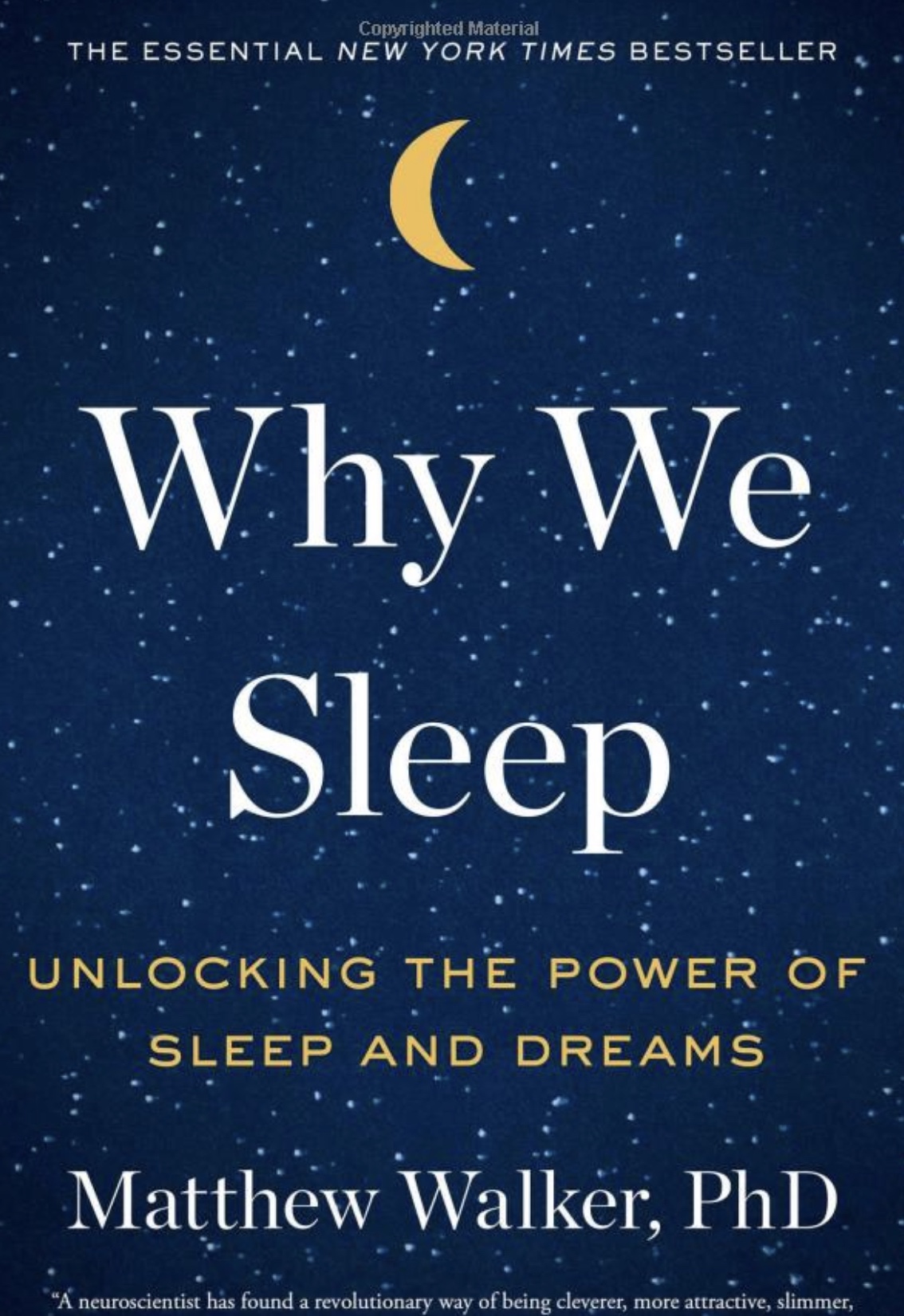
Book recommendation: Why We Sleep by Matthew Walker, PhD. Scribner. October 2017. I ran across this book because it was on Bill Gates reading list, then it started popping up everywhere. The book looks at what we currently know about sleep. While it covers some common sleep disorders, it is written more for the common person and covers a great deal about basic sleep hygiene. Below is one of the Appendix – 12 tips to summarize some of the main points of the book.
Twelve tips for Healthy Sleep
1) Stick to a sleep schedule – go to bed and wake up at the same time each day. Set an alarm for when it’s time for bed. Don’t count on, “catching up on sleep,” over the weekend
2) Exercise at least 30 min per day, but not later than 2-3 hours before bedtime.
3) Avoid caffeine and nicotine.
4) Avoid alcoholic drinks before bed.
5) Avoid large meals and beverages late at night. The goal is to avoid indigestion or too many fluids that would cause a bathroom stop in the middle of the night. Having said that, make sure to eat something around 3 hours before bed, so not to deal with hunger pains.
6) Avoid medications that that delay or disrupt sleep. If you have questions talks with your primary care provider or pharmacist.
7) Don’t take naps after 3pm. Naps can help make up for lost sleep, but late afternoon naps can make it harder to fall asleep at night.
8) Relax before bed. Don’t over-schedule your day so that no time is left for unwinding. A relaxing activity such as reading or listening to music s hourly be part of your bedtime ritual.
9) Take a hot bath before bed. The drop in body temperature after getting out of hte bath may help you feel sleepy, and a bath can help you relax and show you down so you’re more ready for sleep.
10) Dark bedroom. Cool bedroom (as in temperature). Gadget-free bedroom. Get rid of anything in your bedroom that might distract you from sleep, such as YOUR CELL PHONE, iPad, TV, noises, bright lights, and uncomfortable bed, or warm temperatures. Turn the clock’s face out of view so you don’t worry about the time while trying to fall or get back to sleep.
11) Have the right sunlight exposure. Daylight is key to regulating daily sleep patterns. Try to get outside in natural sunlight for at least 30 min each day. If possible, wake up with the sun or use very bright lights in the morning. Sleep experts recommend that, if you have problems falling asleep, you should et an hour of exposure to morning sunlight and turn down the lights before bedtime.
12) Don’t lie in bed awake. If you find yourself still awake after staying in bed for more than 20 min or if you are starting to feel anxious or worried, get up and do some relaxing activity until you feel sleepy. The anxiety of not being able to sleep can make it harder to fall asleep.
12 Tips from: Pg 18-23 of the PDF from NIH Medline Plus including “Tips for Getting A Good Night’s Sleep” Summer 2012 edition.
Netflix recommendation: Headspace Guide to Sleep. This came out in 2021 and covers myths about sleep, the importance of putting your phone (and its blue light) away, what’s up with weird dreams, letting go of stress, facts about sleeping pills, tricks to deal with insomnia, and establishing a good sleep rhythm.

Headspace is a popular subscription medication and relaxation app. It specifically has a sleep section with guided wind-downs, and my favorite- “Sleepcasts.” These are guided wind-downs followed by a story told to get you off smoothly into dreamland. There are over 50 stories with a variety of narrators, each running 30-40 min.

Often stress, worry, thoughts, anxiety, and problems can roll around in our heads and make it hard to sleep. While stress management activities can help with this, specifically before bed I find that journaling is very helpful way for emptying my head. The process of reviewing the activities of the day and forming a narrative into words is very therapeutic. I always joke this night time wind down ritual for me is like using the pensieve in Harry Potter to empty your brain of too many thoughts.
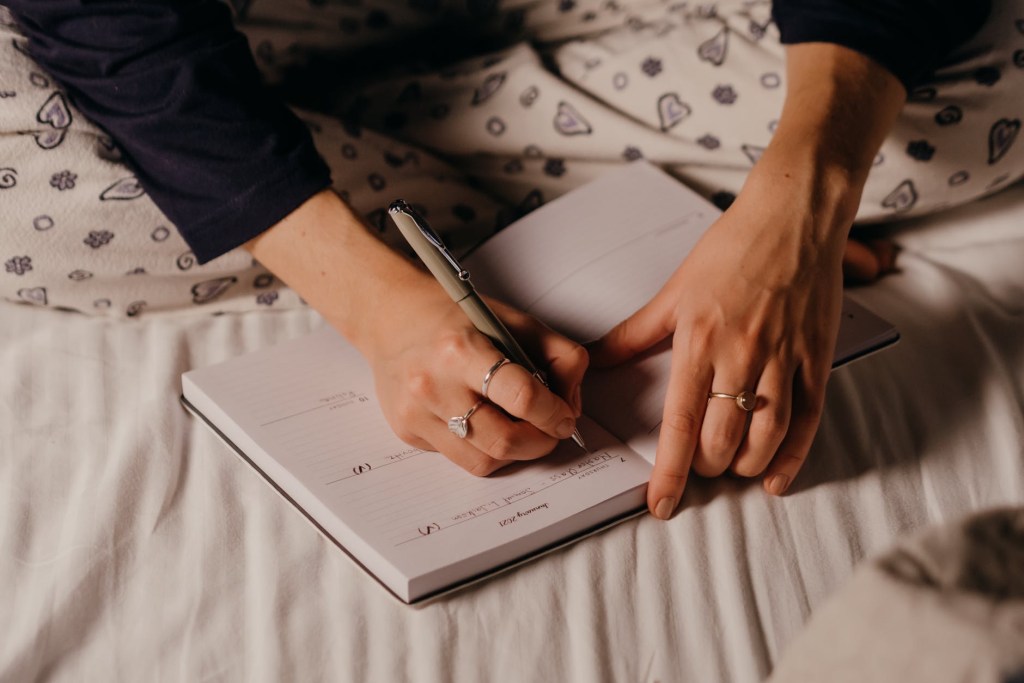
Still not sure why you are not getting a good sleep. Try following this detailed sleep journal for a week or two to look for trends.
The blue light from screen time is detrimental to getting the brain and eyes to wind down and go to sleep. F.lux is a free program that gradually filters blue light out of your computer screen according to sunset and sunrise times. There is also an option to set a notification for bedtime. You can use F.lux with your lights at home if you have Phillips Hue Bridge app controlled lights.
Apple devices have a “night shift” dimmer in the screen brightness settings, although it doesn’t filter blue light.
 Be Prepared Seattle