
The city of Seattle has several layers of emergency preparation and response ranging from broad areas of the city, to more local neighborhoods. Part of this plan is that every individual also takes responsibility for being prepared. Below we will further explain these layers of preparedness.
For direct online information, check out: Seattle.gov/emergency.
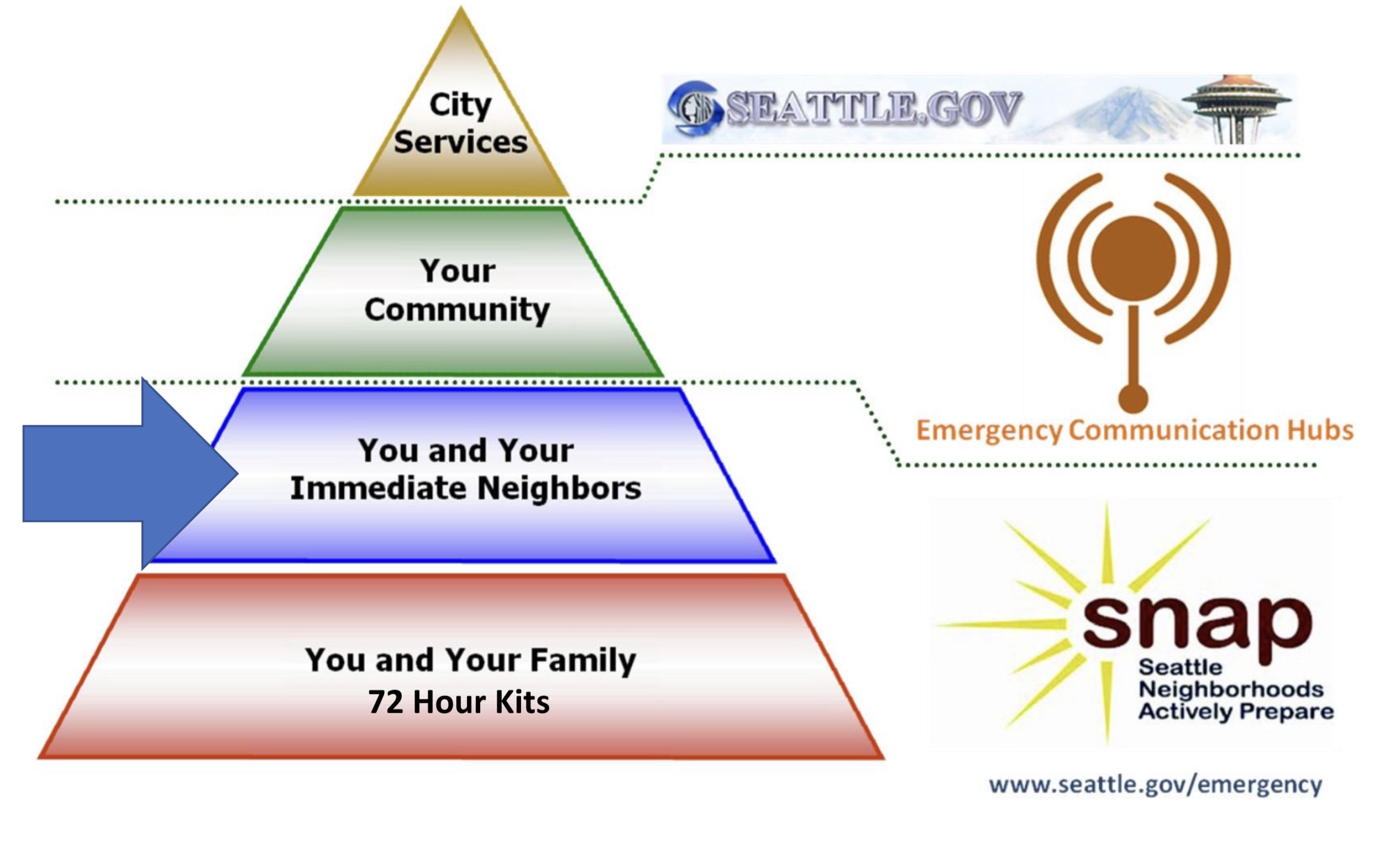
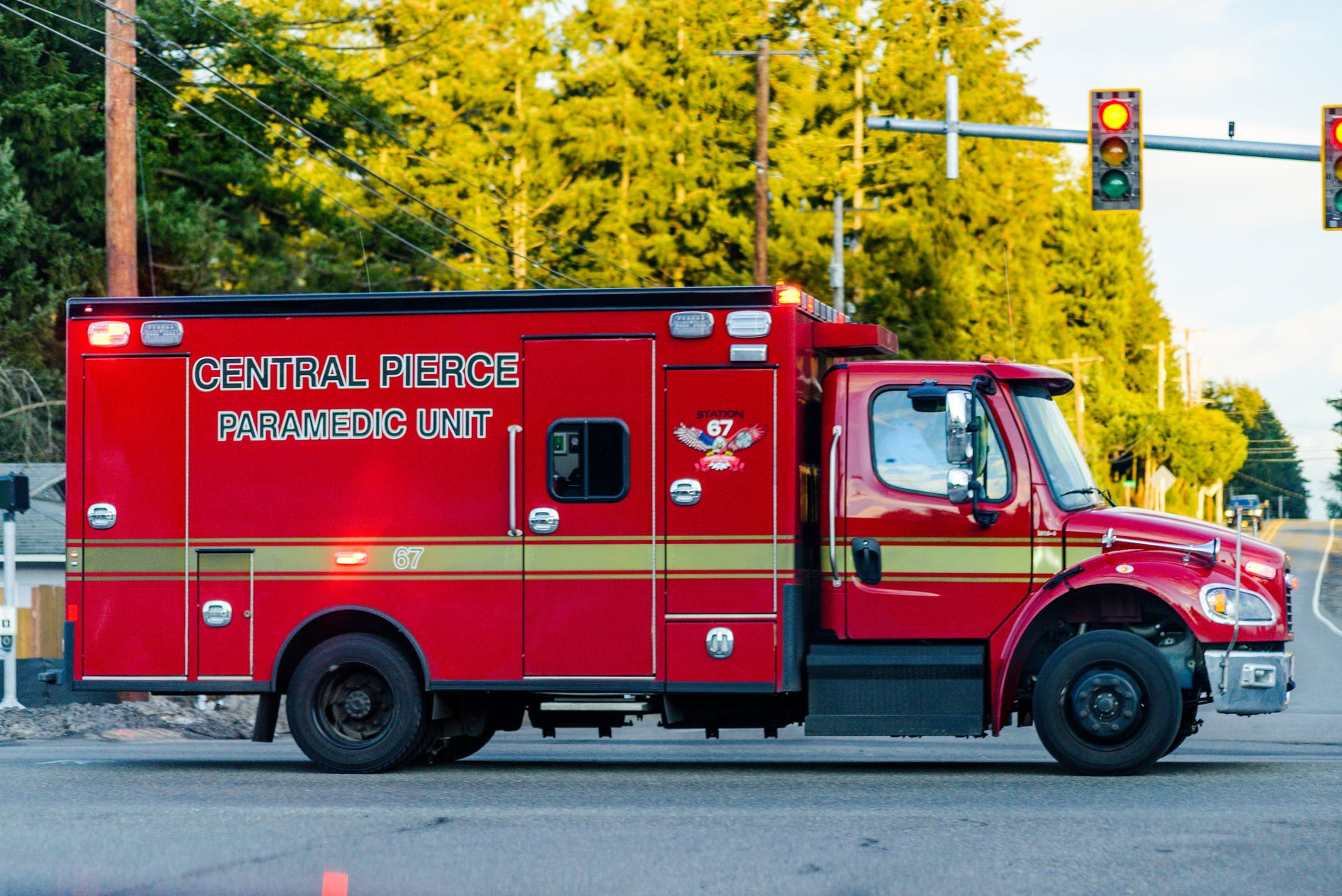
On the broadest and most basic level, the city is covered by First Responders and the 911 emergency response network. After a major disaster, this network is likely to be overwhelmed.

The next level is the HUB network. HUBs are community based meeting places to swap and find information and services by those in your immediate area of the city after a major disaster. More can be found on HUBs HERE.
More specific to the HUB network are the SNAP groups. These are volunteer small neighborhood groups that could cover an apartment building, street, or several blocks. The idea is similar to that of a HUB – to know the resources available, make a plan, and help those in need. These groups are self-organized.

Finally is the preparation of each individual and family. The City of Seattle encourages everyone to be, “two weeks ready.” This specifically is referring to having the food, water, and resources needed to shelter in place for 2 weeks.
Of course there are also federal and national disaster response programs, however it is the local organizations that will initially allow for an ease when a major disaster happens.
 Be Prepared Seattle