A Personal Directive, Advanced Directive, or Living Will covers your healthcare/ end-of-life wishes if you were in a position where you could not make decisions for yourself. It comes with designating a Durable Power of Attorney for Healthcare (DPOA), which gives power to those you authorize as the people allowed to make medical decisions on your behalf. Do not confuse this DPOA with a Durable Power of Attorney for non-healthcare matters, such as finance and legal matters.

A Durable Power of Attorney for Healthcare is naming the person you would like to make healthcare decisions on your behalf if you were to be in a condition where you could not make those decisions for yourself. They cannot be your doctor or person who receives compensation to provide you with care, unless they are related to you.

“The person you appoint as your health care agent must make decisions consistent with your wishes, or if they are unknown, in your best interest. This may include decisions to initiate, continue, discontinue or refuse medical care and treatment. This includes artificial nutrition or hydration, surgical procedures, and the withholding or withdrawal of life sustaining treatments. It is important that you discuss your wishes with the person(s) you designate as your agent. You may want to complete an Advanced Directive for Health Care (see below) to memorialize these discussions and your preferences.” – UW Medicine Durable Power of Attorney Form
DURABLE POWER OF ATTORNEY FOR HEALTH CARE FORM: If you are working with an attorney to set up your estate planning they most likely will cover this material as part of their package. If you are doing a Do-It-Yourself version of Estate Planning you can either contact your Primary Care Provider for the necessary forms or you can use the UW Medicine’s Durable Power of Attorney for Health Care form. The document can be signed by two eligible witnesses, or be notarized, to become a legal document.

An Advanced Directive, Heath Care Directive, Personal Directive for Health Care, or Living Will are all the same thing. This paperwork documents your wishes regarding life support, including if you were in a coma or persistent vegetative state. It also specifies if you would want artificially administered nutrition and hydration if you were in a terminally ill or permanently unconscious condition.
Basically in medical speak this translates to if you want the body to naturally shut-down and die or if you want to artificially prolong the process of dying through medical intervention despite being terminally ill or permanently unconscious.
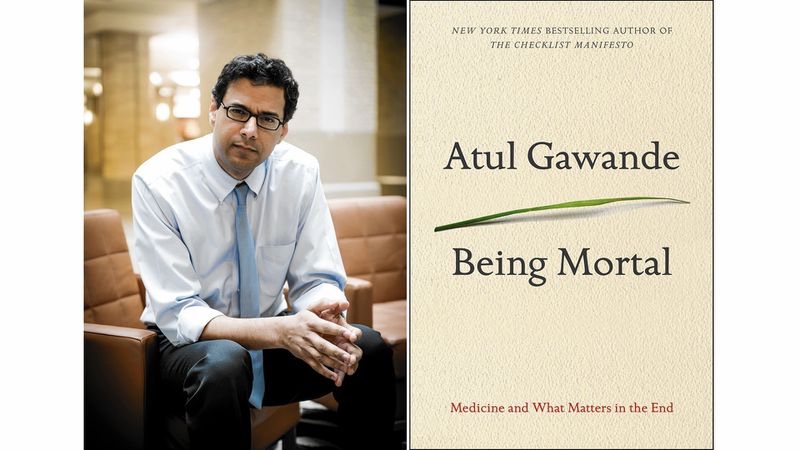
BOOK RECOMMENDATION: Surgeon and author Atul Gawande examines the role of medicine in the process of dying, and quality of life at the end of life. His book Being Mortal is an excellent read to help understand and initiate a conversation with loved ones about their desires and last wishes.
ADVANCED DIRECTIVE FORM: Again, you can access Advanced Directive or Living Will forms for multiple places, including from your hospital or physician of choice. If you are doing a package of estate planning, such as through an attorney, this paperwork should be included. Alternatively, you can use the UW Medicine Advanced Directive Form. The document can be signed by two eligible witnesses, or be notarized, to become a legal document.

If appropriate given your age, health condition, or personal wishes, you may want to consider including a “do not resuscitate,” form. This means in the event of cardiac arrest there will not be an attempt to provide CPR or re-start the heart. You can also add these wishes onto the conditions of your Advanced Directive or Living Will.

Make two copies of the completed paperwork – one for your personal records, and one for your designated DPOA. Give the completed paperwork to your healthcare provider to be included in your medical record.
 Be Prepared Seattle