
The refrigerator will keep food cold for about four hours. A full freezer will keep the temperature for about 48 hours. Use coolers with ice if necessary. Monitor temperatures with a thermometer.
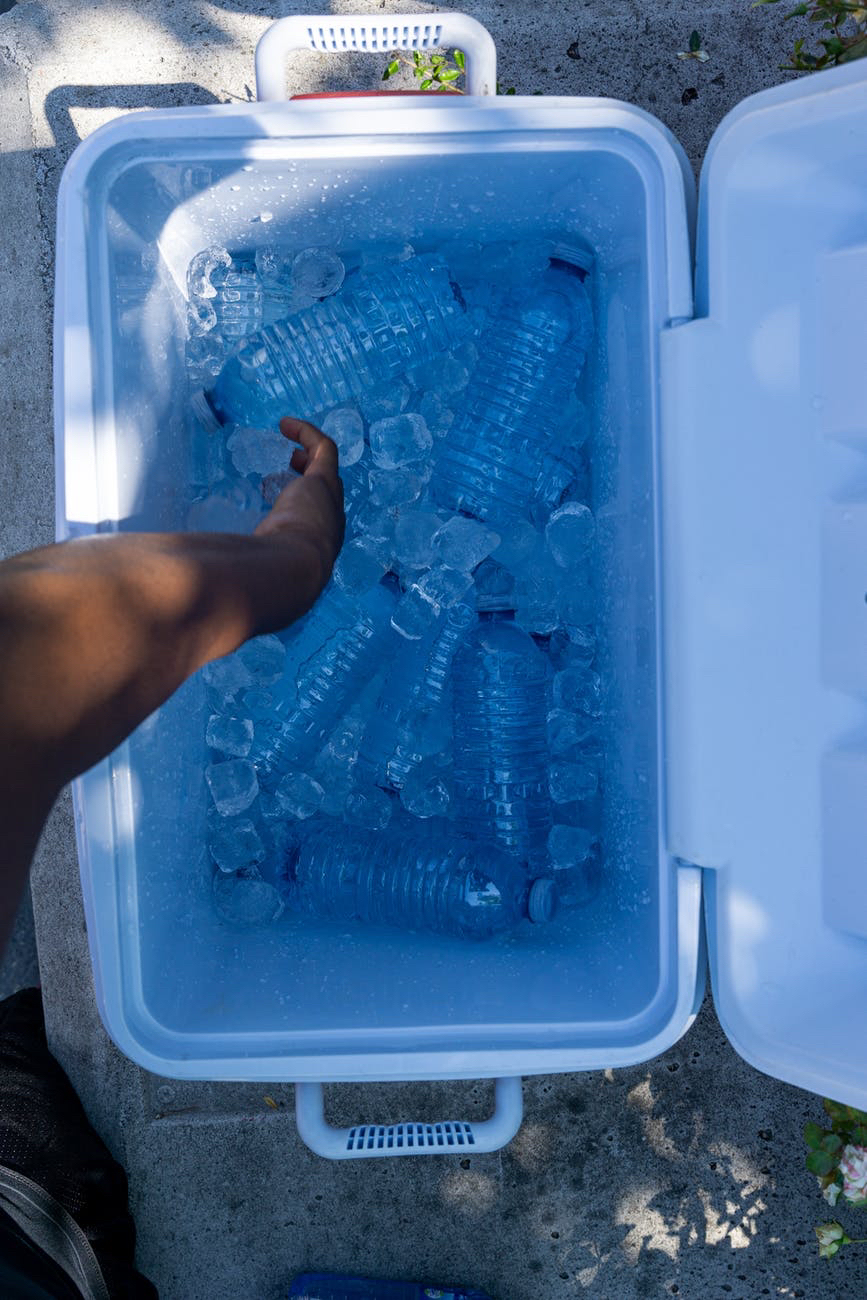
Have alternate plans for refrigerating medicines or using power-dependent medical devices.
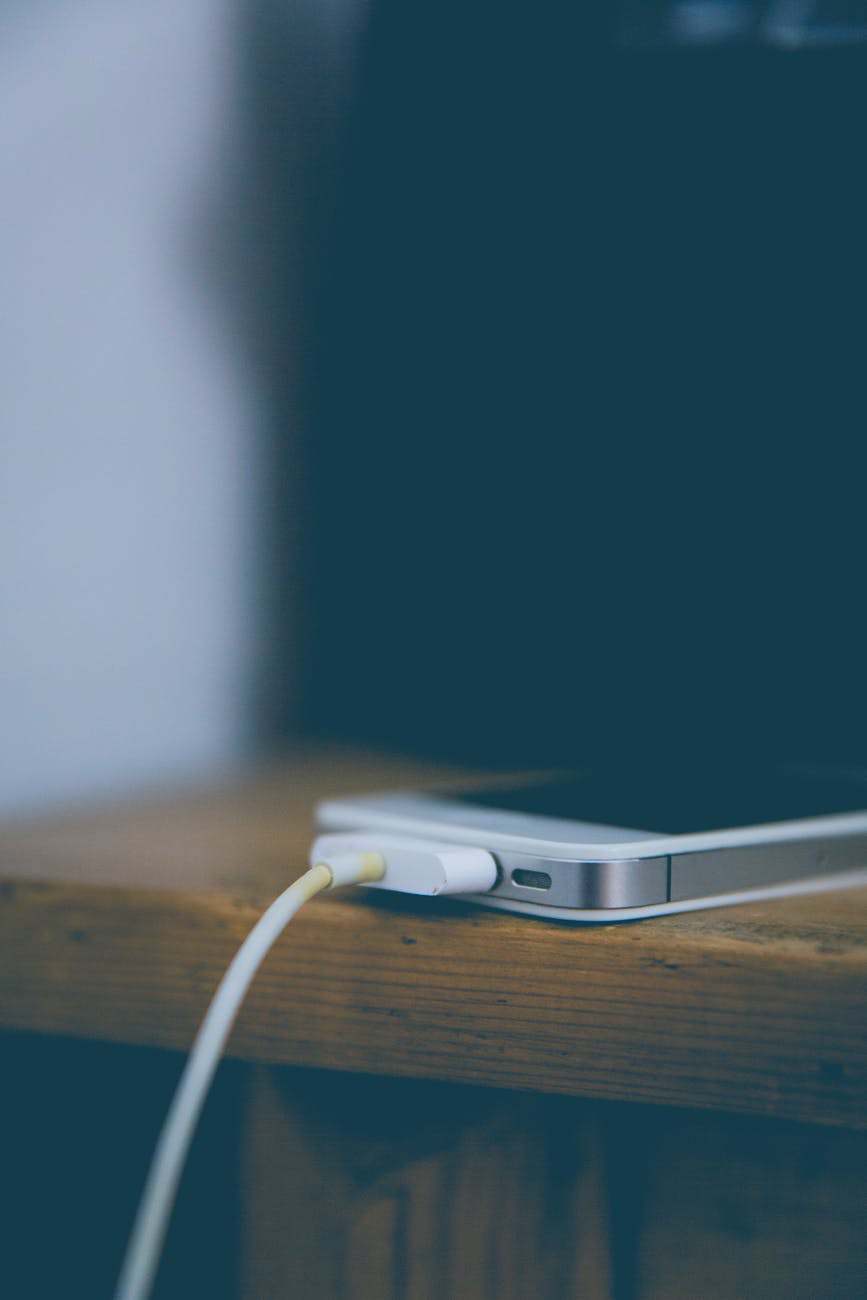
Have a way to charge your phone, computer, or other small devices. Portable battery packs made for traveling or jumping a car work well.
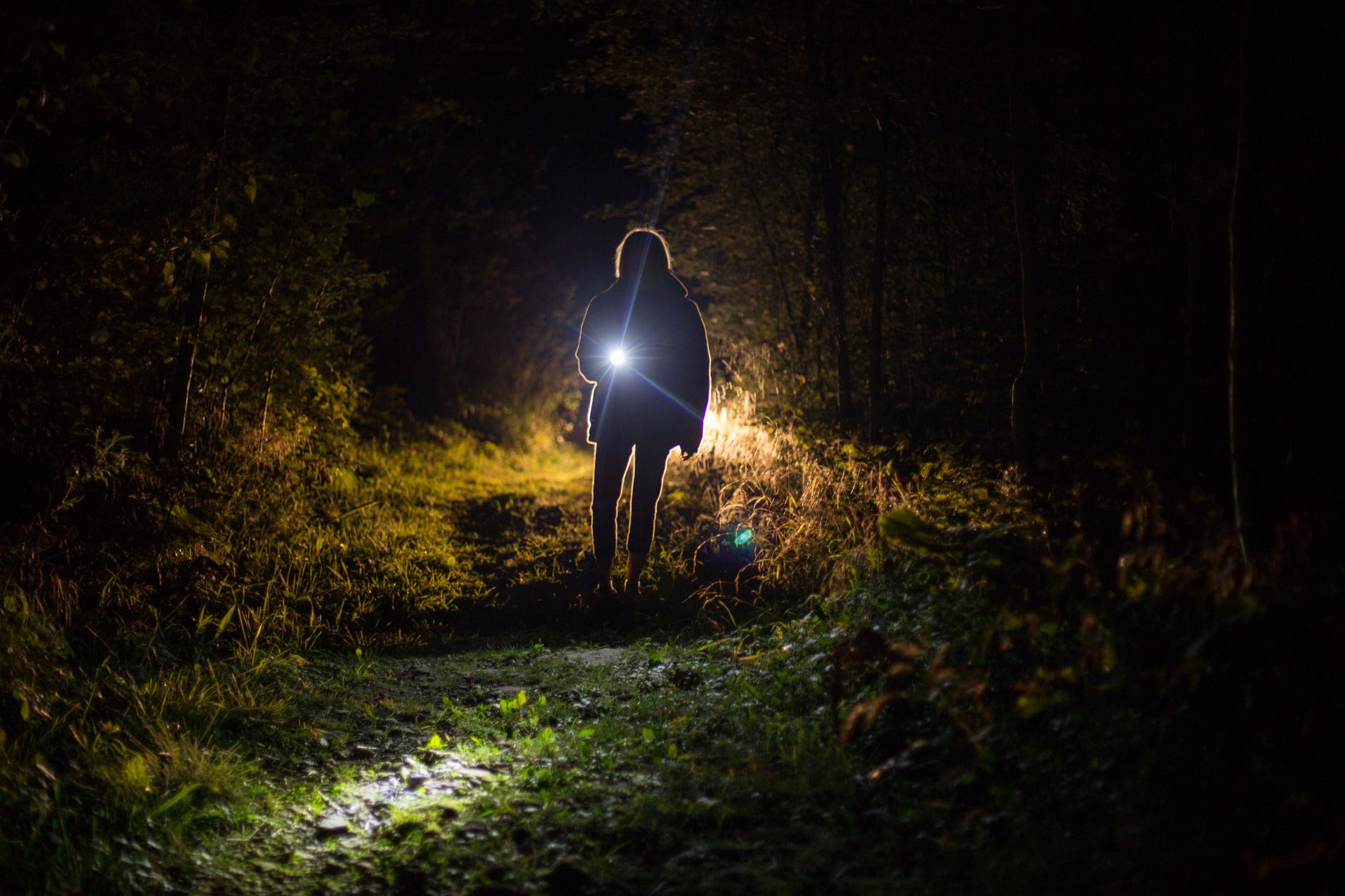
Light is also an issue – have flashlights or battery driven lamps available. A headlamp is also handy, and can be part of a 72 hr kit. Do not use candles, they’re too high of a fire risk.
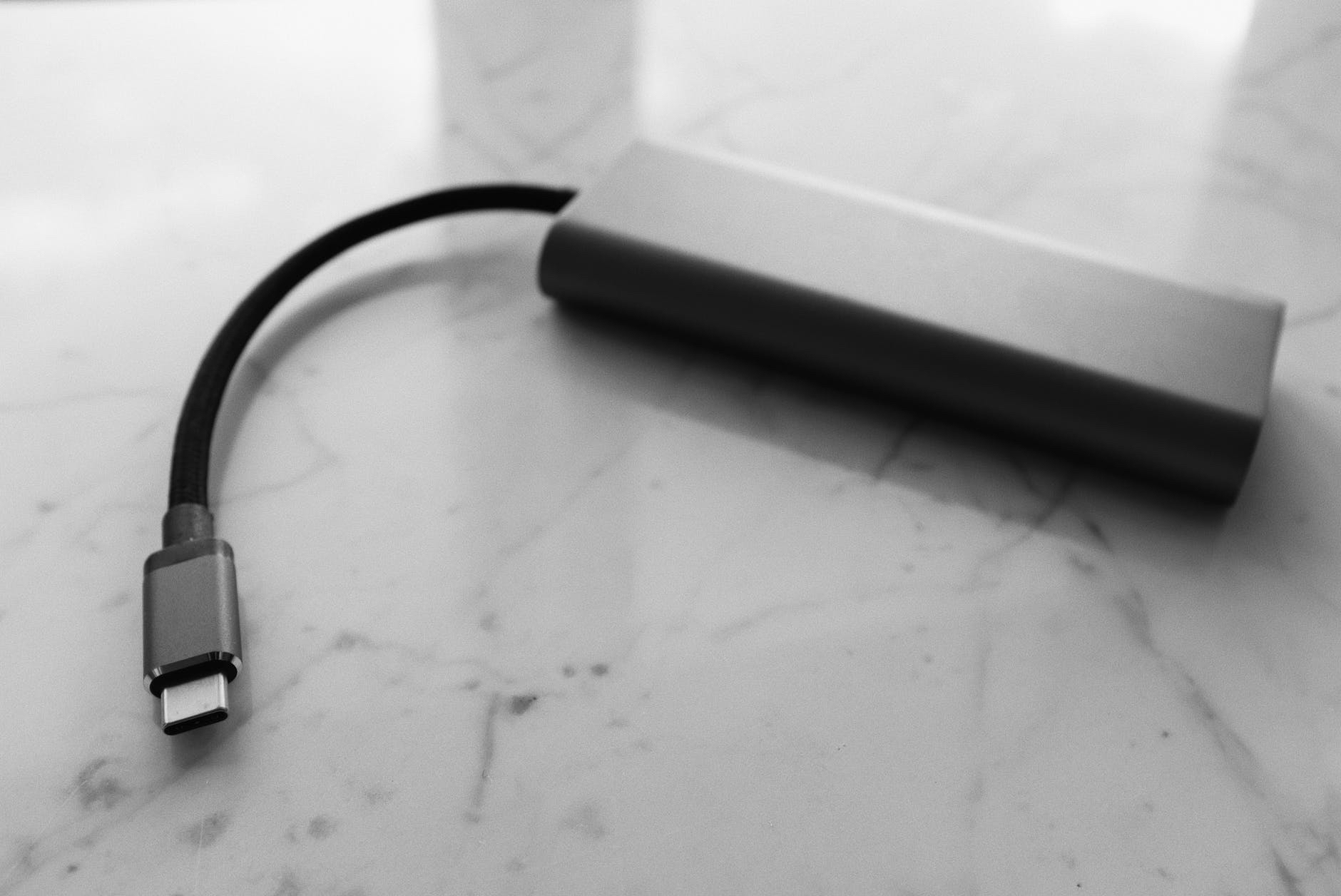
Make sure battery packs are plugged in and charged every 6 months. Have extra batteries on hand.

An alternative cooking method is convenient, especially for longer power outages. Only use generators, BBQs, and gas camping stoves outside. A butane stove can be used inside with proper ventilation. Make sure a carbon monoxide alarm is installed in the home.

Stay warm! Use blankets, extra layers of clothes, and warm foods or drinks. Do not use a gas stove or oven to heat your home.
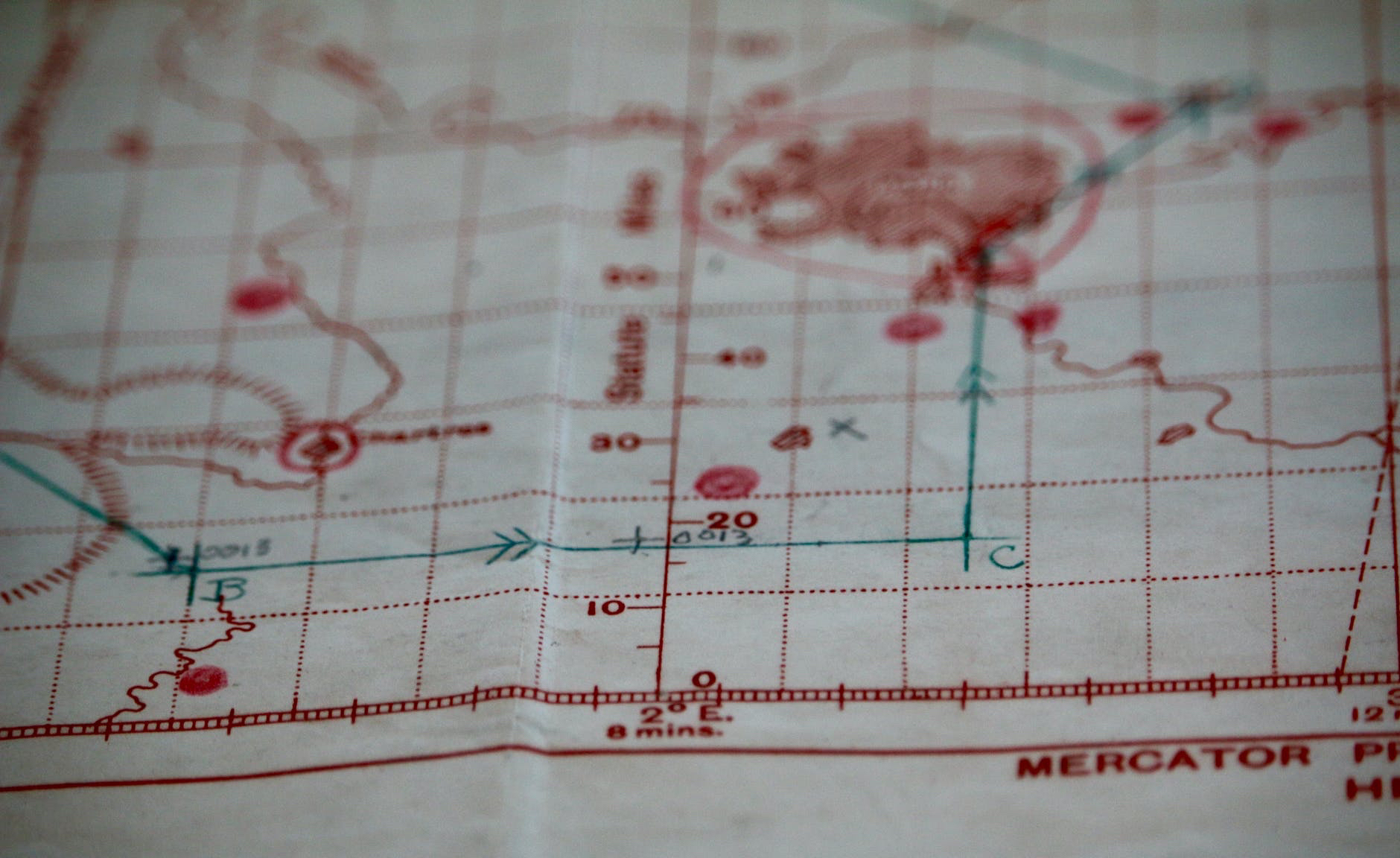
When will the power be back on? Follow the Seattle Power Outage Map. For large outages, radio announcements and updates may also be available. Listening to an emergency radio will save your cell phone battery.
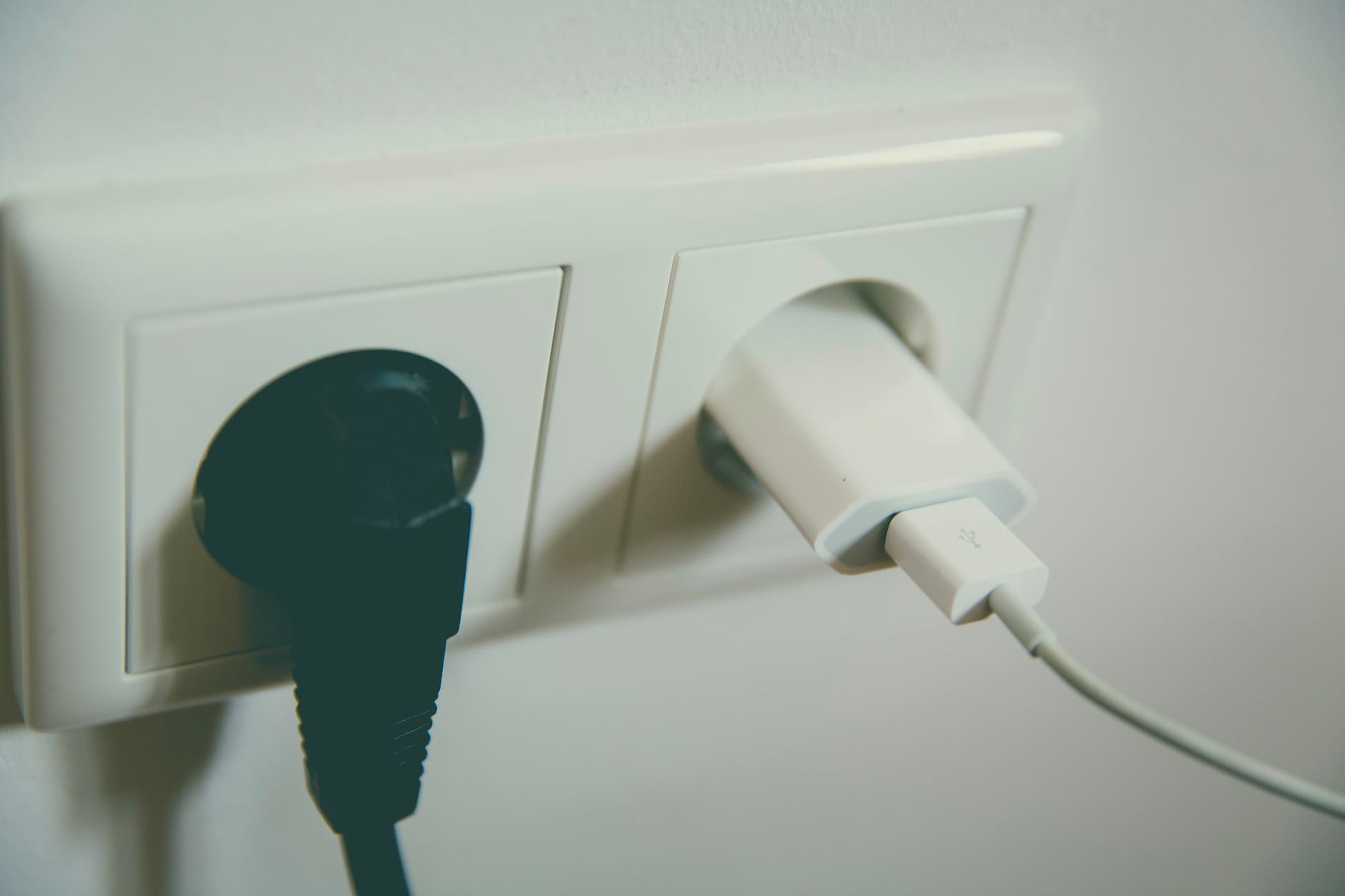
Turn light switches and appliances off and/or unplug appliances and electrical devices to protect them against power surges. The exception is the freezer/fridge – leave that on.
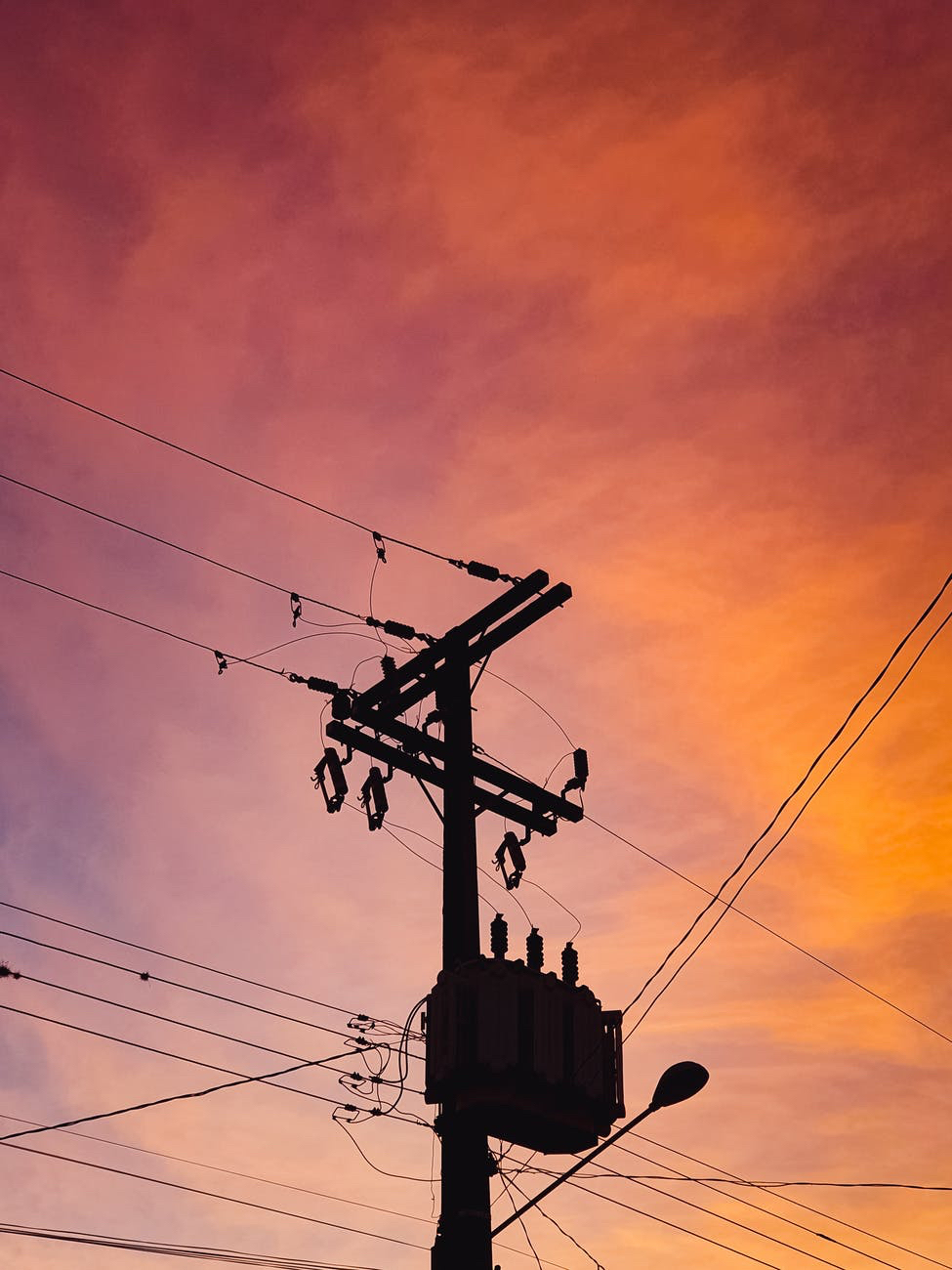
Stay away from downed power lines and sagging trees with broken limbs.
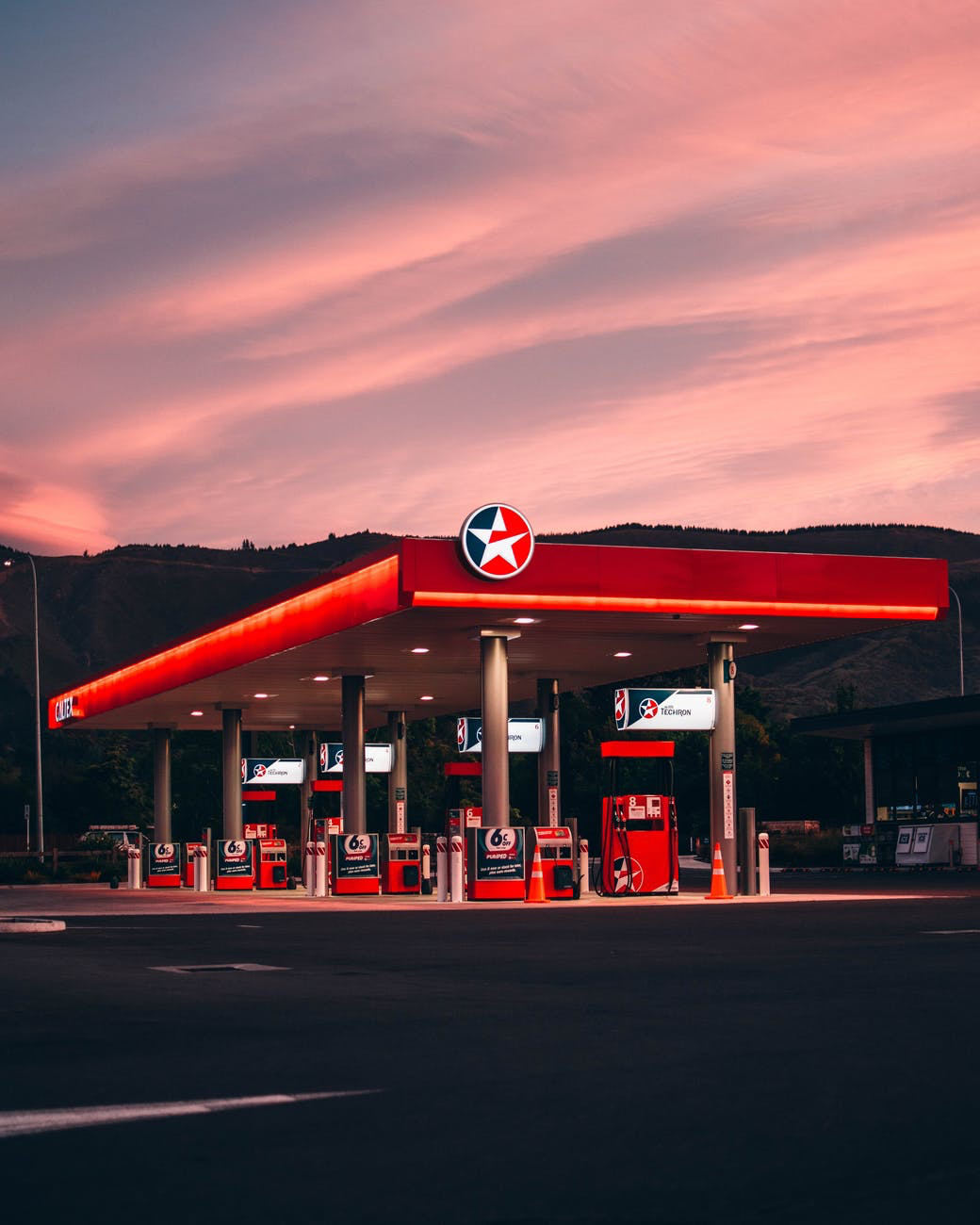
To stay or go – for more local outages sometimes you can simply visit a friend or family in an area that is not effected. It is a good practice to keep your car gas tank at least half full.
 Be Prepared Seattle