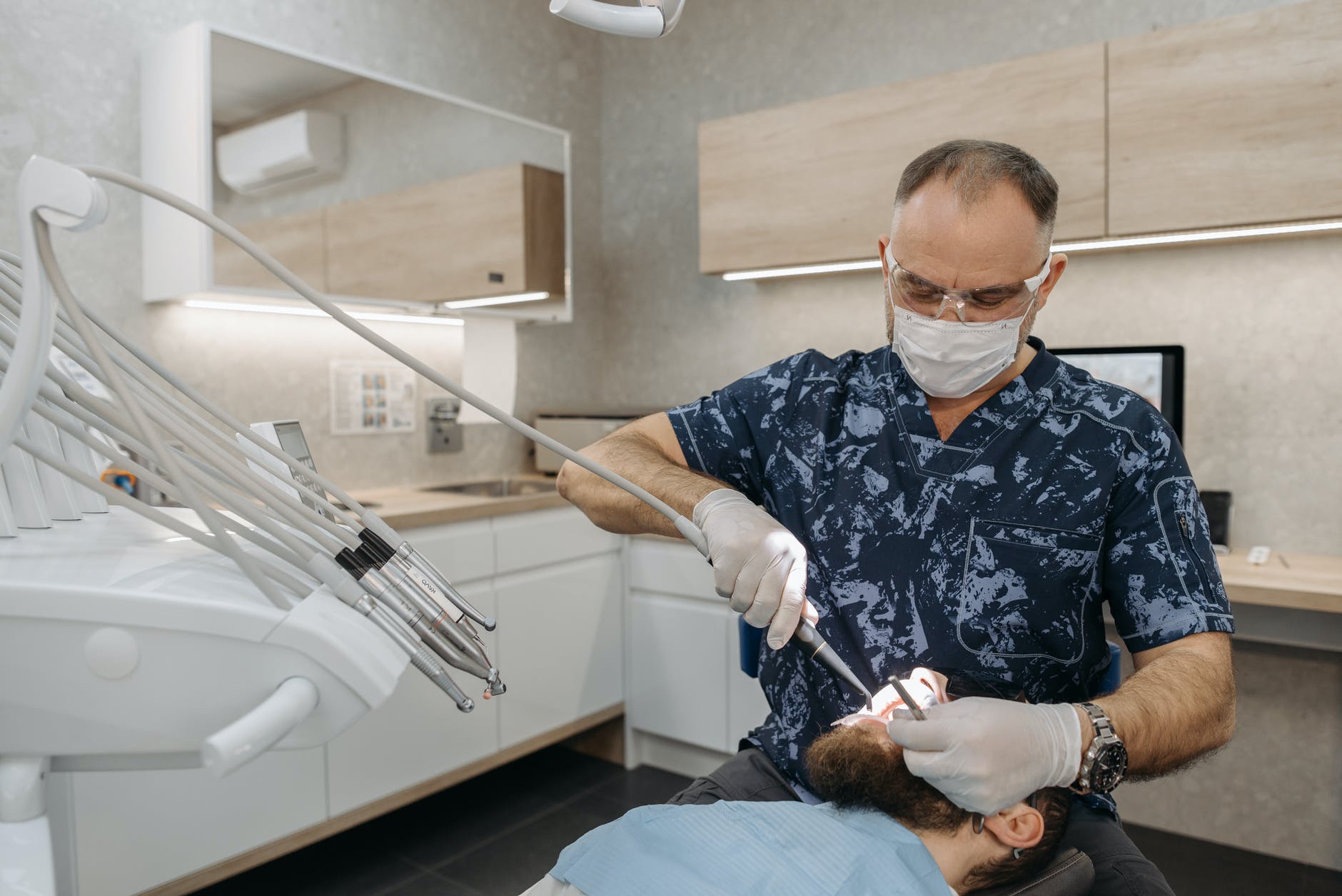
Dental
It’s important to have routine (at least twice a year) teeth cleaning and checks to prevent decay and spot problems early before they turn into dental or mouth pain. It’s also good to have established care at a dental office in case of emergency dental needs, such as a chipped tooth, etc… More information about dentist visits can be found on the American Dental Association website.
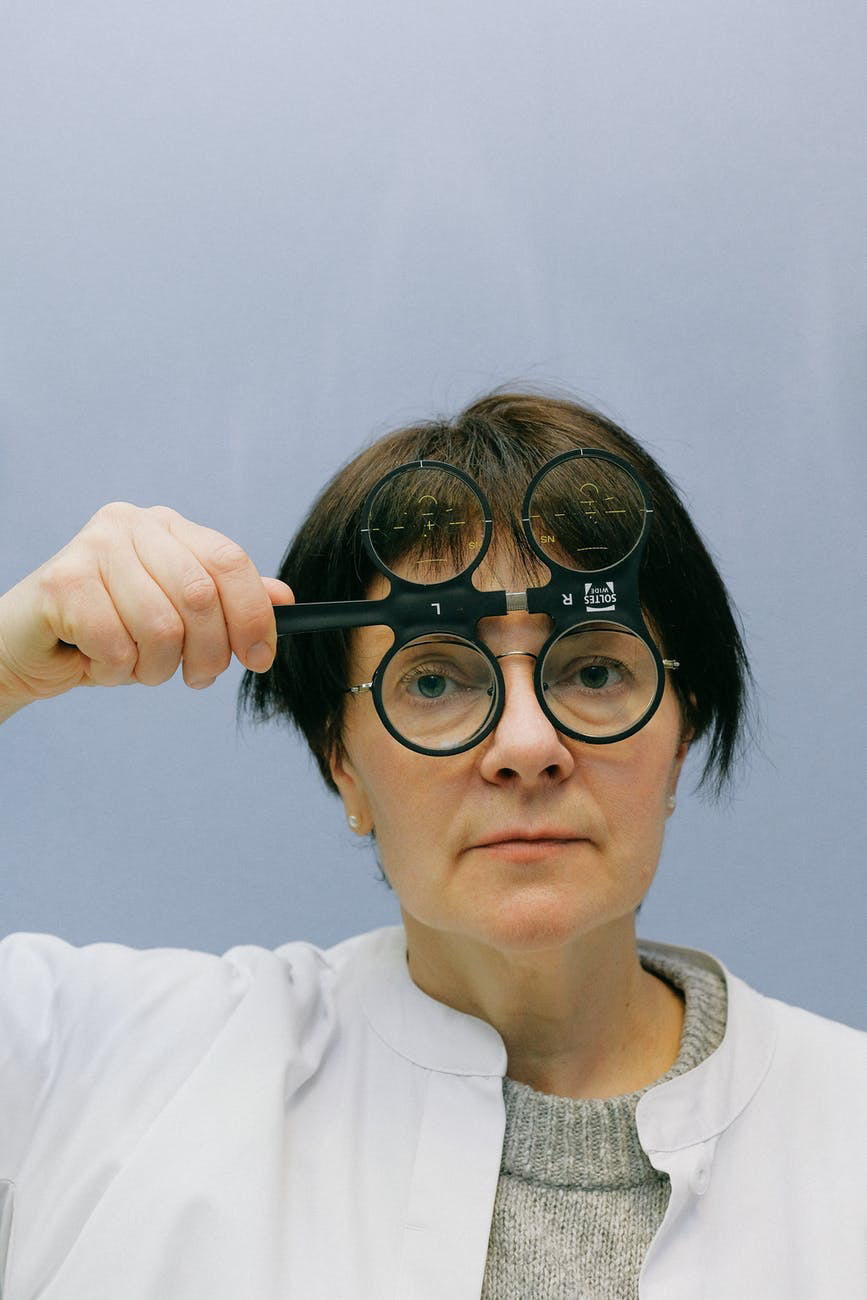
Eye Exam
From the American Association of Opthalmologists: “If your eyes are healthy and vision is good, you should have a complete exam by your ophthalmologist once in your 20s and twice in your 30s. There are some exceptions…
The American Academy of Ophthalmology recommends that adults get a complete eye examination at age 40. This is when early signs of disease or changes in vision may appear. It is important to find eye diseases early. Early treatment can help preserve your vision.”
If you are 65 or older, make sure you have your eyes checked every year or two. Your ophthalmologist will check for signs of age-related eye diseases such as cataracts, diabetic retinopathy, age-related macular degeneration, and glaucoma.
Remember, always follow the schedule your ophthalmologist recommends for future eye exams”
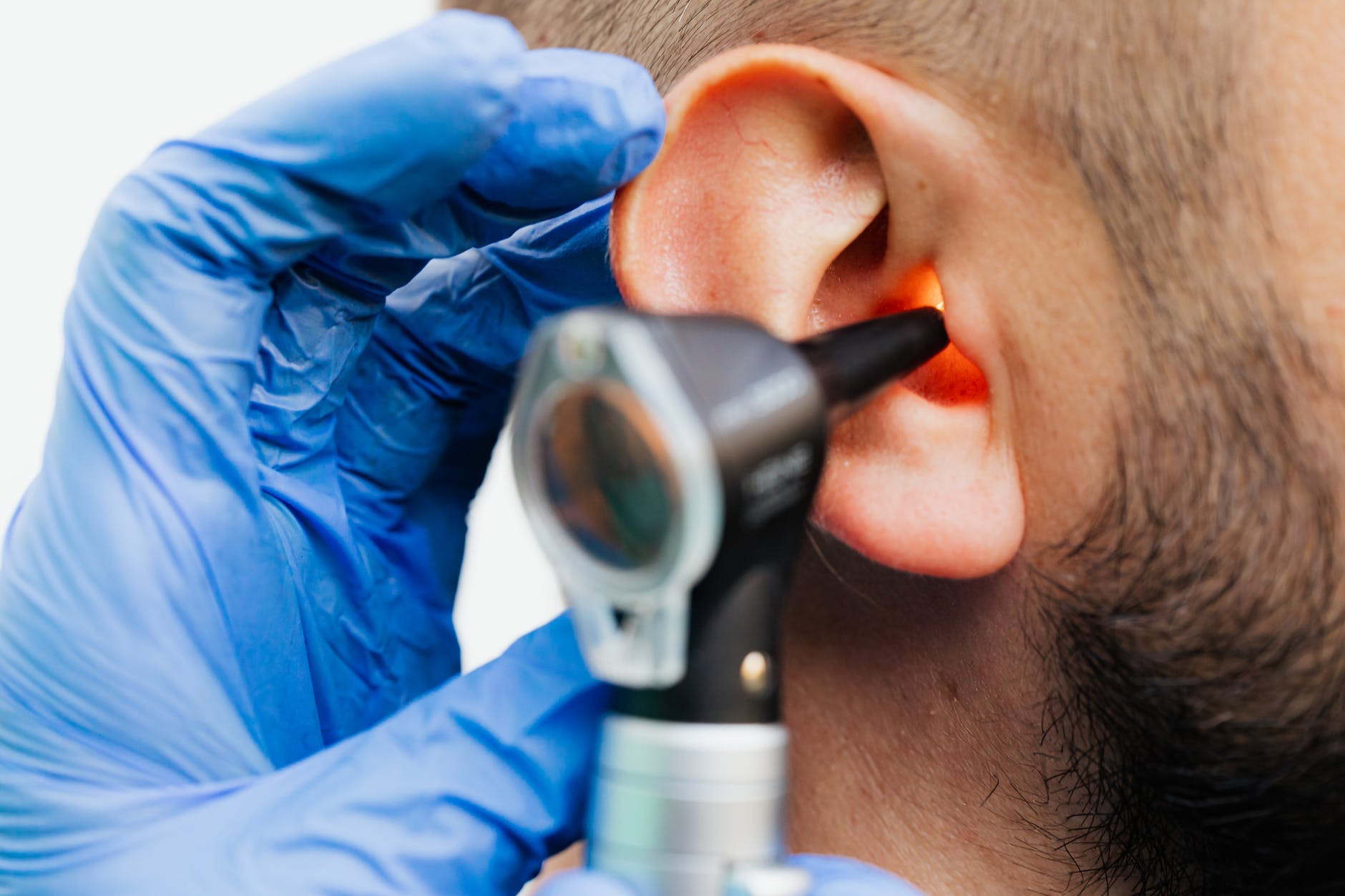
Ears
An audiologist is a healthcare professional that tests hearing. If you have a hearing concern it is recommended you get a hearing test. Otherwise monitoring for age related hearing loss typically starts around age 65. Those with hearing loss should be checked every year or two to track possible progression of the hearing loss.

Cancer screening
There are many types of cancer. Depending on your family history of cancer you may have screenings start earlier than usual. Your family history, age, and medical history will help determine which screenings you should have. Your primary care physician can help prescribe and track routine testing.
Common cancers and their screening tests are mammograms and pap-smears (breast and cervical cancer) for women, and prostate specific antigen blood test or PSA (prostate cancer) for men. A colonoscopie is used to check for colon cancer. These cancers have been shown to have improved treatment and mortality rates with early detection from screening.
Vaccinations/ Immunizations
For Birth to 6 years old there is a great PDF document put out by the Center for Disease Control and Prevention (CDC). The 7-18 years old PDF document can be found here.
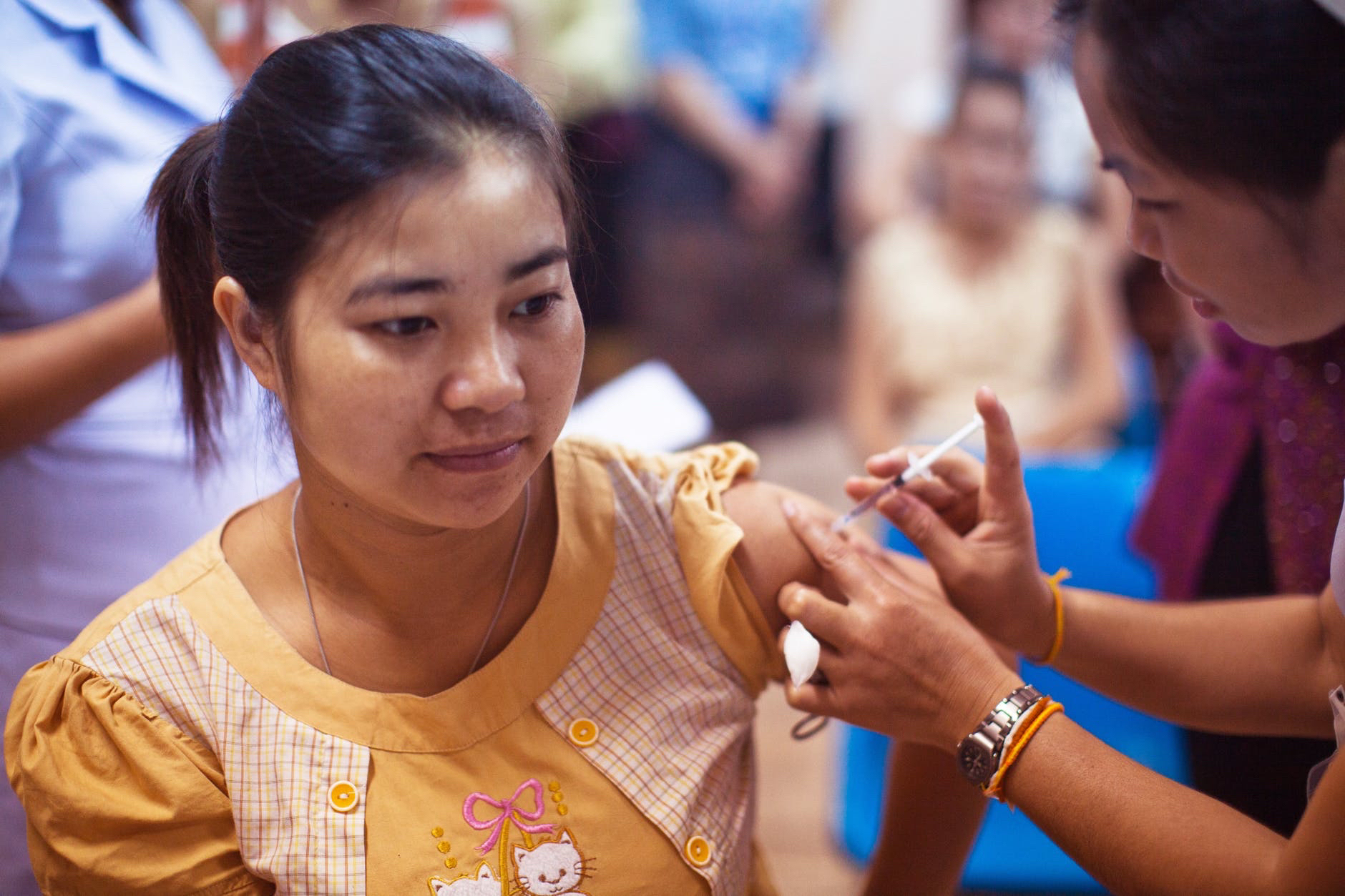
For adults there is a whole list of available shots to top up some childhood immunizations, and different guideline for those over age 65 years old. Your primary care provider can help administer and track what shots are appropriate for you.
It is strongly recommended you get a flu (influenza) shot every year. You do not need to visit the doctor to do this – most pharmacies have the ability to administer this shot and take insurance to cover it.
The COVID-19 vaccine has been approved and recently added to the list of vaccinations available. It is strongly recommended you get the COVID-19 vaccination. While the new mRNA type of vaccination has caused some to hesitate in getting vaccinated, the Johnson and Johnson COVID-19 vaccine is not mRNA and a good option for those that are concerned about this method of vaccination.
 Be Prepared Seattle