Thinking about your own funeral and how you would like to be remembered is a hard thing to do. Sharing the smallest of suggestions or personal preferences can help guide your loved ones when funeral planning. Write a few (or a lot) of suggestions down and include this with your estate planning documents.
By nature, making a funeral happen is often directly connected to those in the most grief. Make their job easier by funeral planning. It really is a gift to your loved ones.

Obituary / life sketch – no one knows your life better than you! Even if you are not nudging loved ones in the right direction regarding your last wishes, a personal history can be a great gift to your family and the generations after you. Lastly.com has some good general guidance and prompts to get you started.
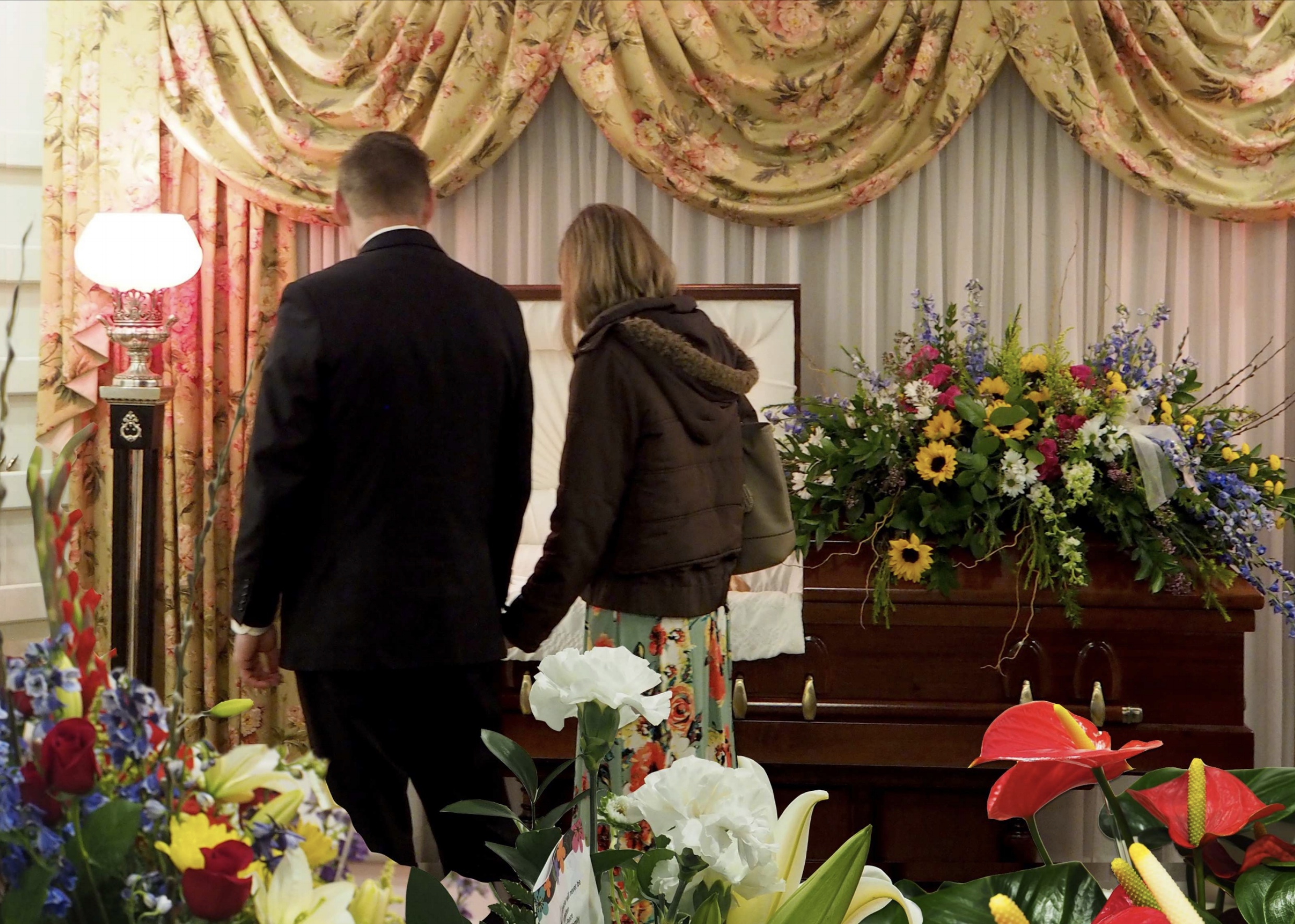
Viewing – the funeral home will display the body in the casket allowing friends and family to gather and say final good-byes before the funeral. It can be the evening before and/or right before the funeral service itself. You can have a closed casket funeral, where the body will not be on view.

Funeral or Memorial Service – what’s the difference? At a memorial service the casket/body is not present. At the funeral the casket is present and either open or closed. You may wish to assign friends or family to giving a life sketch, share memories, or give prayers. Music is often part of a funeral – express your wishes of favorite songs or hymns. Are there any personal items you would like displayed at your funeral. Are you interested in a slideshow of memories? Do you have a preference for any certain type or color of flowers? Direction in any of these areas means your family does not have to figure these things out later on.
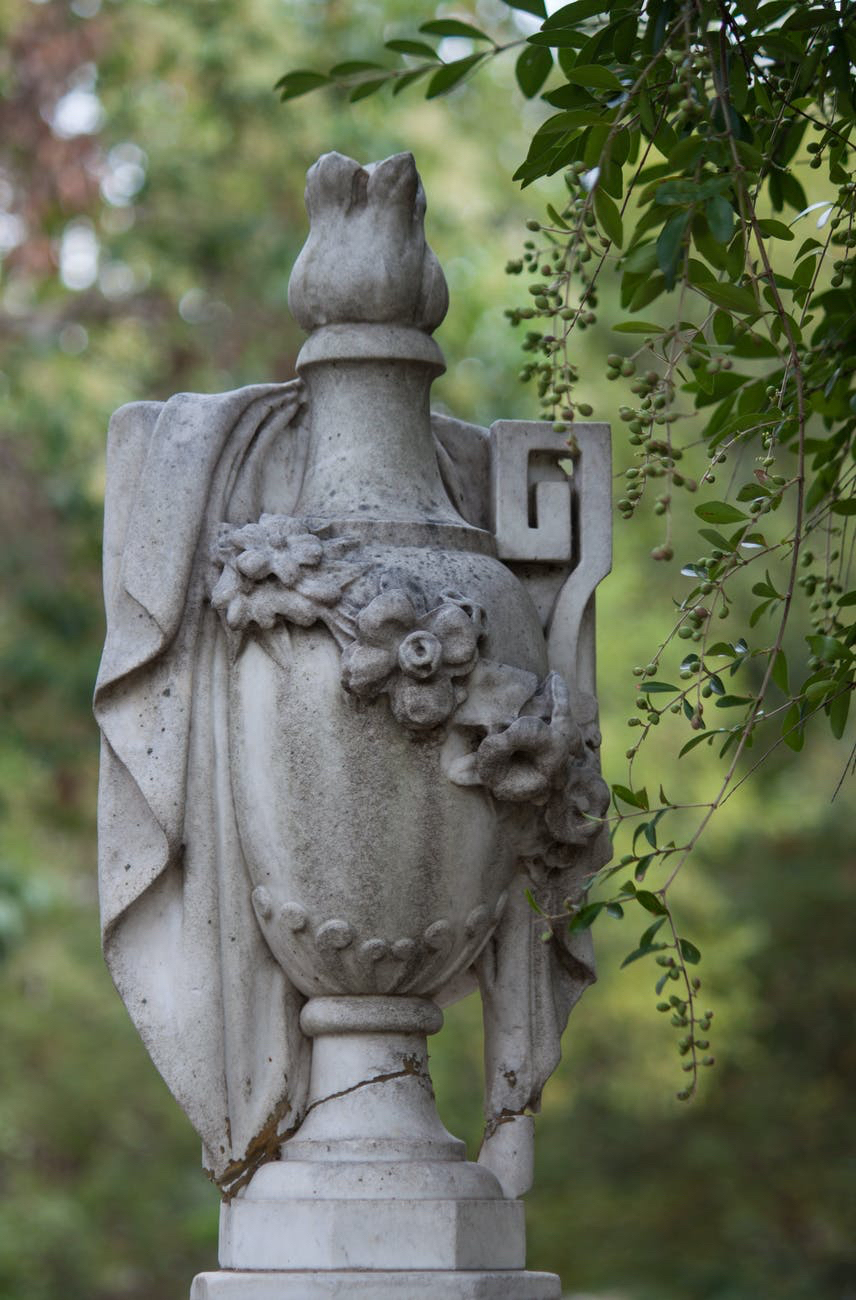
Embalming or cremation? There are pros and cons to both. Cremation is less expensive, and thus growing in popularity. However, embalming and burial with a gravestone is more culturally familiar.
For members of The Church of Jesus Christ of Latter-Day Saints seeking further direction on this choice, I suggest reading section 38.7.2 in the General Handbook covering medical and health church policies and guidelines.
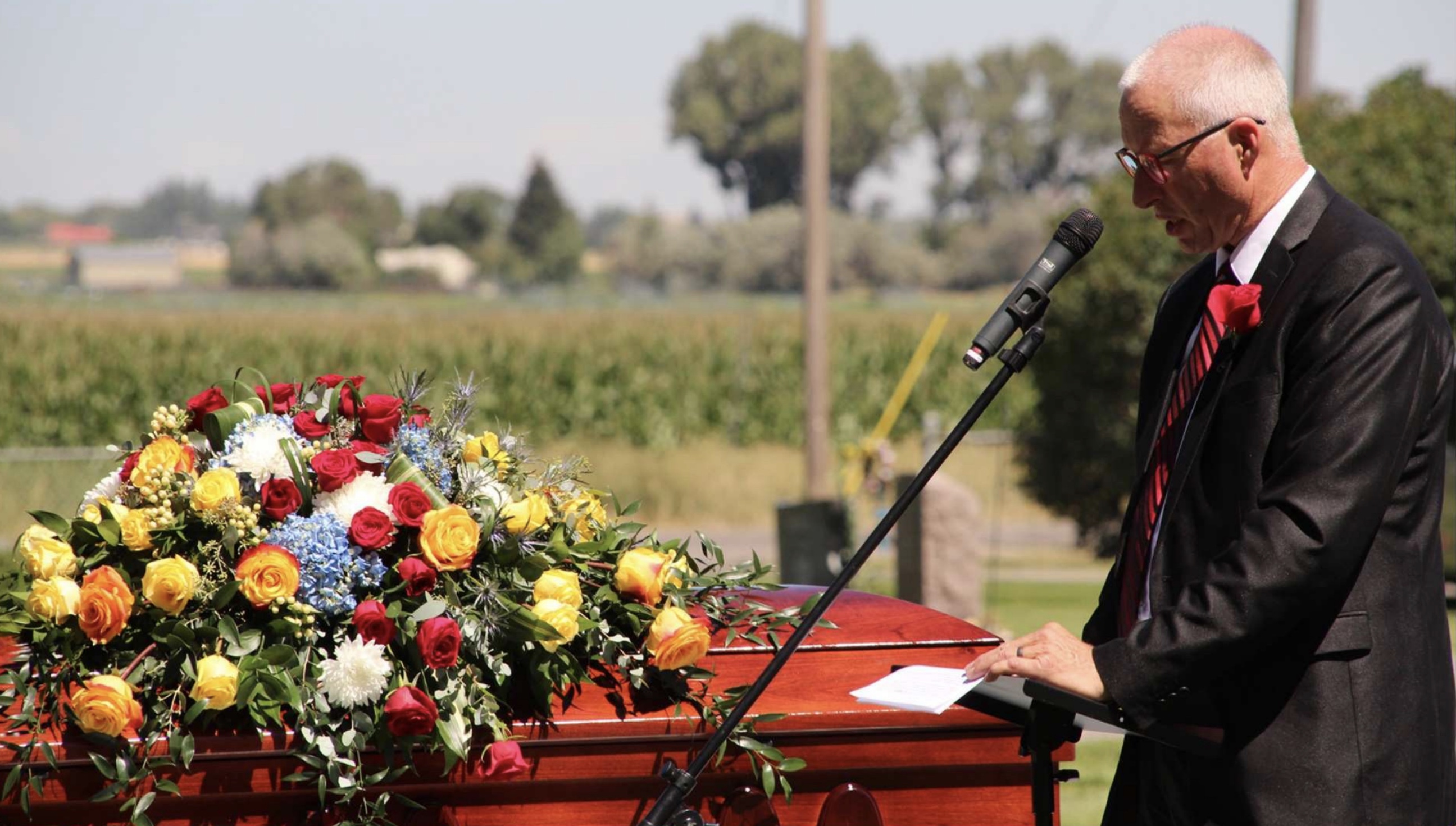
Interment – Where would you like to be buried? Graveside services often have a life sketch, music, or other speakers- sometimes religious. In someways it can be thought of as a smaller version of the funeral or memorial service. Some individuals choose to skip having a funeral and only want a graveside service.
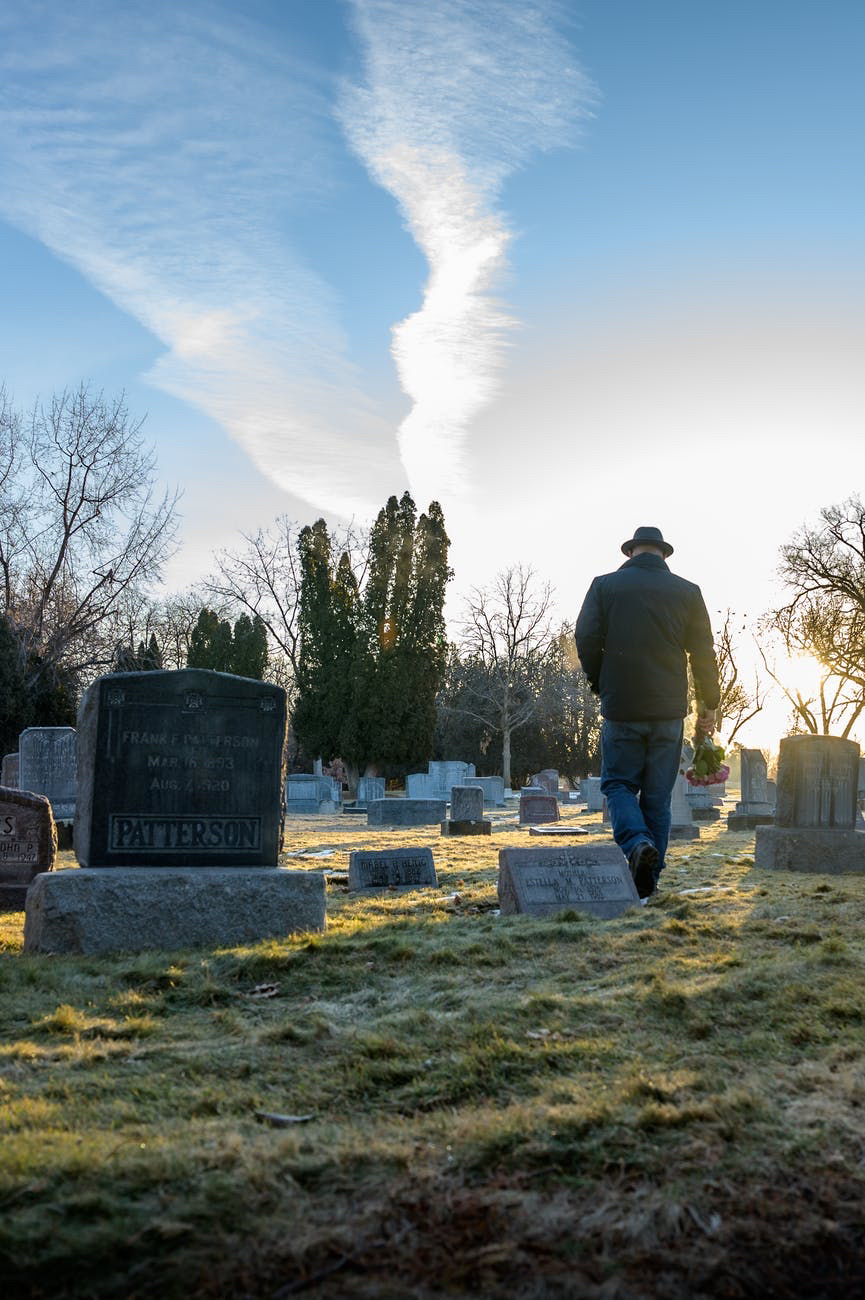
Gravestone – This is the marker and place for others to visit and place flowers and other items in rememberance. Decisions include size, material, name, dates, images (including photos), and sayings (epitaph).

The cost of a funeral can be a concern. Often Life Insurance, or part of the money in a will, is set aside to help cover funeral expenses. More information on planning for this expense can be found in this more detailed funeral planning article by AARP.
 Be Prepared Seattle