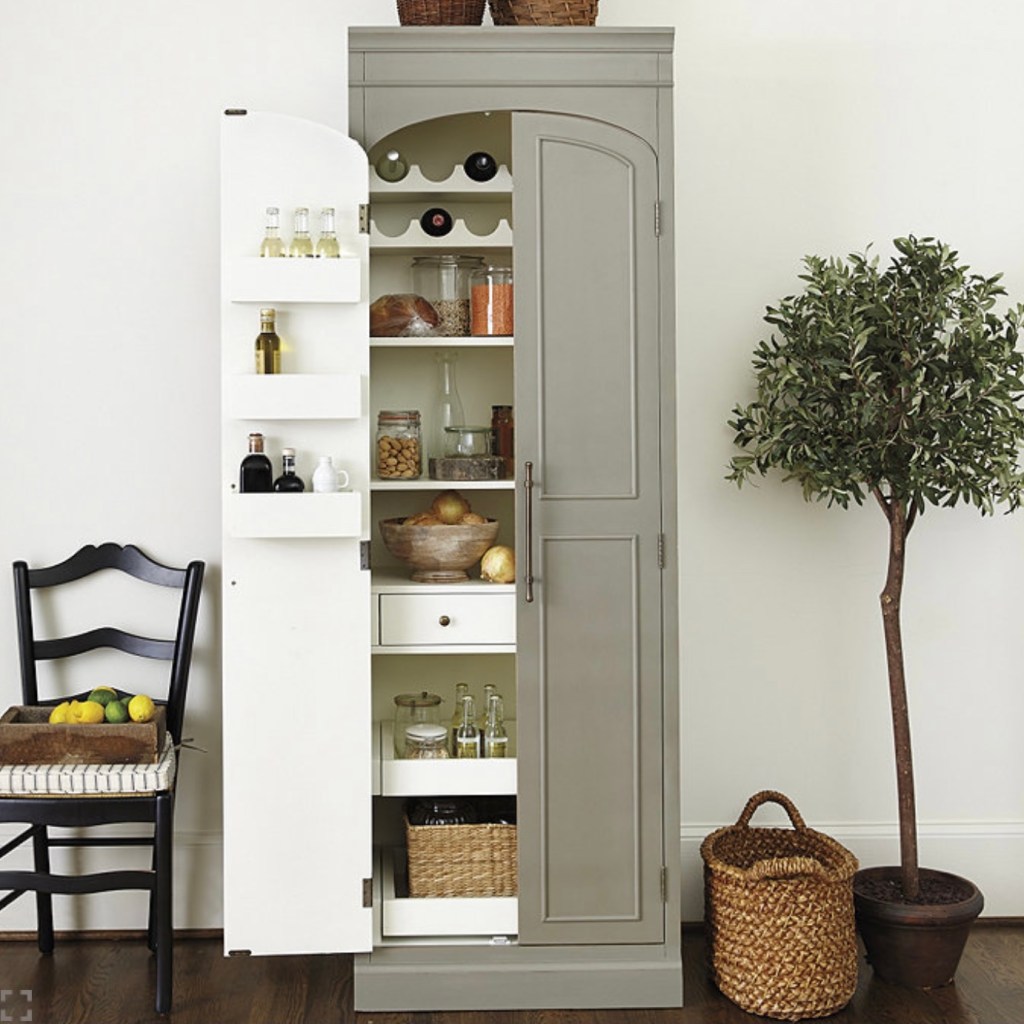
After getting your emergency food storage, and your 2 weeks prepared food storage, work up to having a longer term food storage. This should be a practical food storage – ingredients in your home that you can use to cook delicious and quick meals. Some put timelines on these storage items, like having enough for 90 days. For most in the city this is impractical for the small spaces we live in. Having said that, there are some tips and tricks for getting more food in your apartment than you think (more on that in a bit)!
Food storage is not just for having food on hand if funds are running low. It’s a reassurance that you have staple ingredients, reducing the stress needed when cooking and/or saving you the grief from running to the store. Food storage is part of a healthy life – it helps you stay at home, cook at home, and eat at home. This not only saves money, but generally does wonders for your health. See the FOOD section of the topic on health for more details.

Principle: Food storage is more than cans
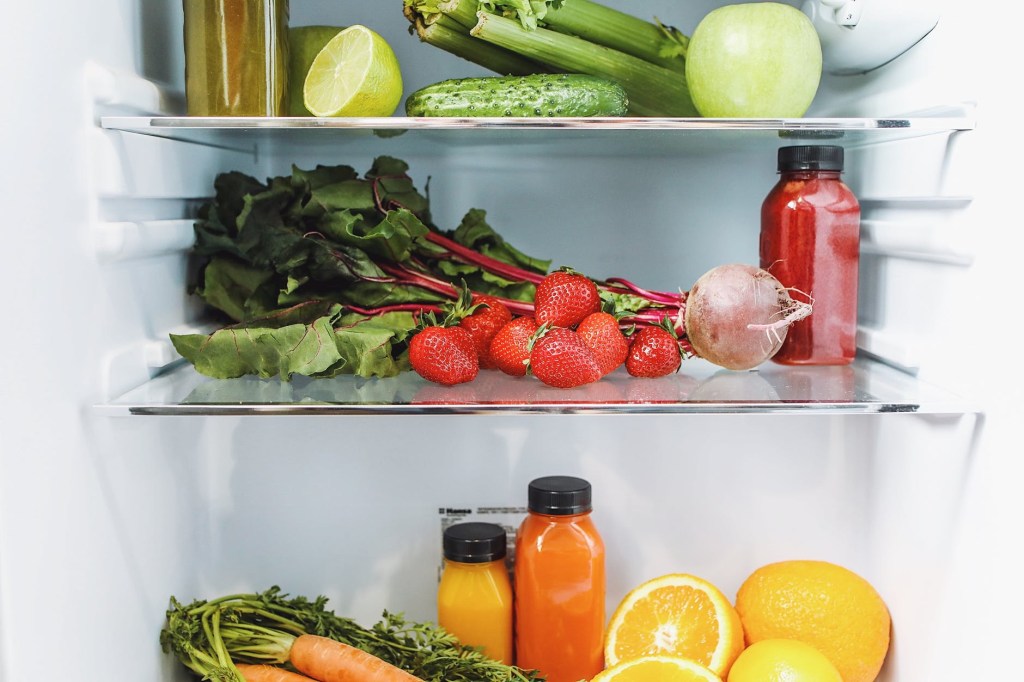
Get away from thinking of food storage as #10 cans under the bed. Food storage needs to be items that you will use! Think of food storage as ALL the food in your home. Yep, that includes the fresh foods, stuff in the refrigerator, all the food in your freezer, as well as what is in your pantry, and those canned goods too. If you added that all up right now how long could you cook before having to go to the store? Or if that isn’t realistic, could you have enough food in your home to cut your grocery bill in half for a month? How about two?
Don’t forget the value in a good stash of homemade freezer meals. Dishes that you can pop in the crock-pot, or pre-made lasagnas and casseroles. You can make soup and freeze it too.
Principle: Organize your kitchen and pantry
The food and ingredients in your home will not do you any good if you won’t, don’t, or can’t cook it. It’s hard to cook in an ill equipped and unorganized kitchen, so let’s tackle that first. Here’s some suggestions:
- Go through all the food in your house and throw out anything that is expired, rancid, or otherwise unfit for human consumption.
- As you go through your food make an inventory list. It can be hard to see the gaps in your food at home without knowing what you have.
- Get organized via Apps. I personally like Paprika ($5) which does have a section to record all the food you have in the house. Then you can upload your recipes, organize them, and ask the app to come up with what your grocery list will be given what you already have on hand.
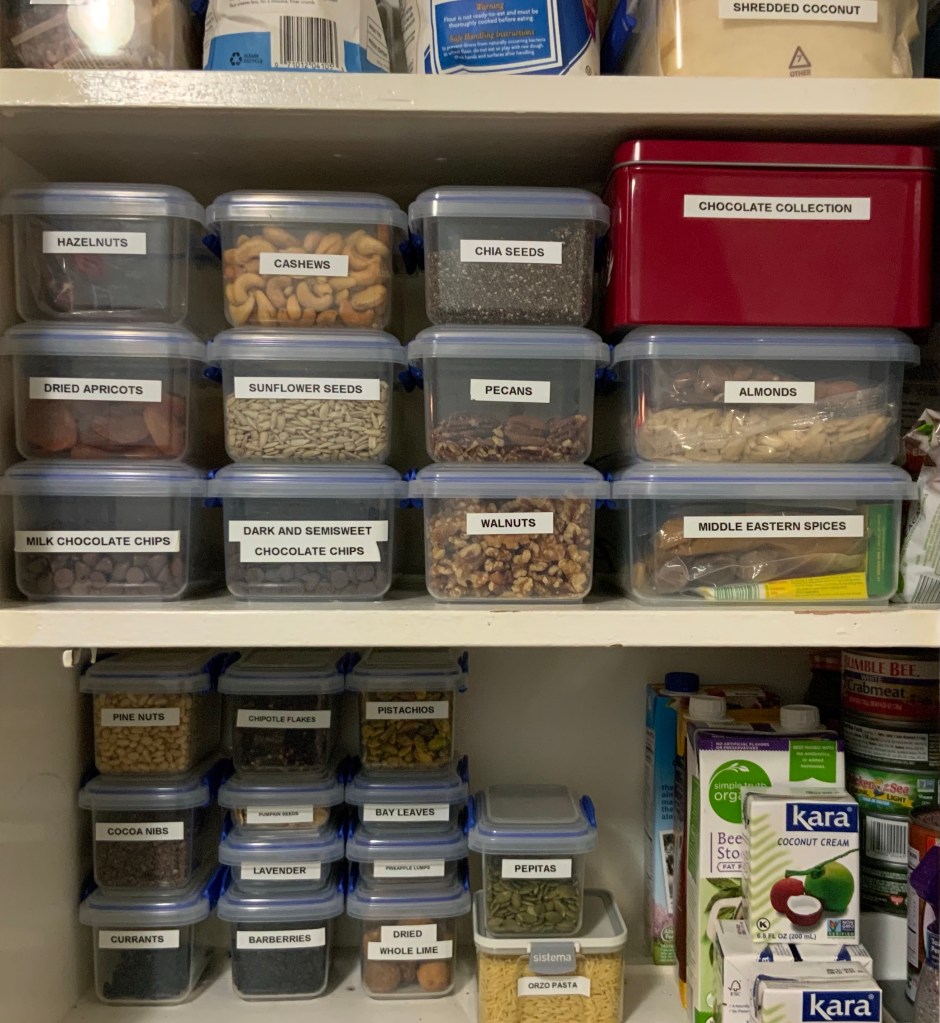
- Get savvy in how you store your food. Air tight containers will keep food fresh longer. Stackable containers will allow you to store more than just a bunch of bags on a shelf. Get or borrow a label maker and learn to use it. A simple can stair for the shelf helps to see what’s in the cupboard. Larger stackable can organizers can also be helpful.
Principle: Menu plan
Yep, get out your calendar and take a look at what nights might be cooking times for meal prep, and what nights are where you need to have leftovers on hand. Make sure the food you have around (especially in your fridge) is something that is going to be used. There’s no better way then to assign it to a meal in the next week or two.
Principle: Buy a little at a time
This is the simple idea of buy a little more when it is on sale and save it in your pantry or freezer. Make sure to have two of everything so you don’t run out. Watch the stock of your ingredients – if you’ve opened the last bag of flour (or even the second to last bag of flour), then put it on your grocery list, etc… Again, in small apartments where storage is a problem take some time to think creatively. Look for storages spaces up high and down low – is there closet shelf space or space under the bed? How about in those suitcases that are not being used?
Don’t forget to have extra food on hand for your pets too.
Principle: When you’re ready to work up to that 90 days
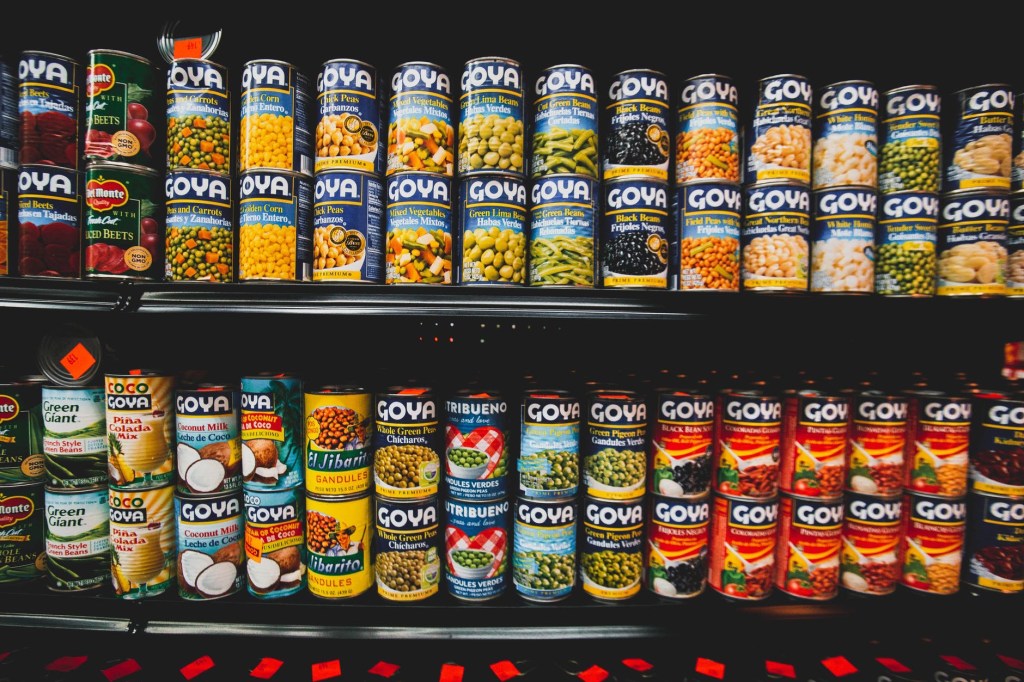
There is nothing wrong with getting some traditional “food storage” cans, especially if you have the room to do so, or are feeding a larger family. Here are just a few more guidelines to get you started:
- Purchase the basics first – buy life sustaining foods like wheat, beans, rice, pasta, and milk before luxuries like brownie mix and dehydrated meat.
- Do some comparison shopping, including factoring shipping into the cost, and/or wait for a sale.
- Be careful buying “bucket” kits of dehydrated meals as your food storage. In the past some have not had as many calories or meals in the bucket as the label make it look like.
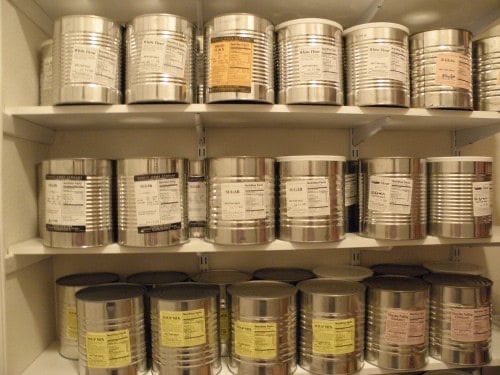
- Did you know The Church of Jesus Christ of Latter Day Saints has some basic food storage items available for purchase at a reasonable price? These items like beans, flour, oats, wheat, rice, dry pasta, sugar, and dehydrated onions, potatoes, apples, carrots, etc… are in sets of 6 #10 cans (so you may want to get some friends and share an order…).
- Practice cooking with your food storage items. See book recommendation below.
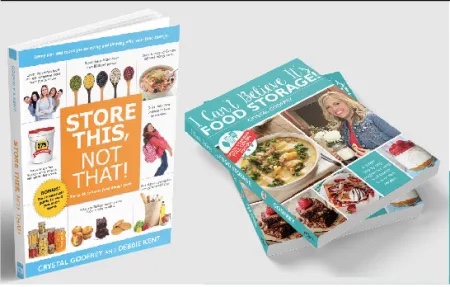
Book Recommendation: Store This, Not That! The Quick and Easy Food Storage Guide by Crystal Godfrey and Debbie Kent. Also visit their website. Both contain many good recipe suggestions.
 Be Prepared Seattle