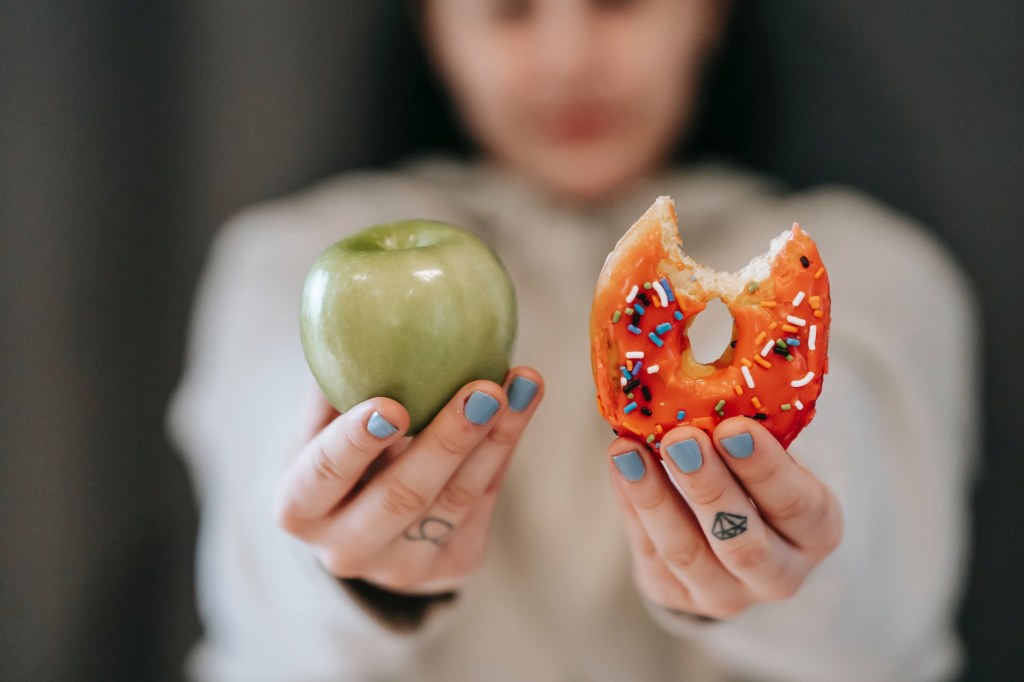
You are what you eat. What you eat can make a bigger difference than how much you exercise or work out. The notion that you can just eat a donut and walk it off later is a cultural lie. Food can be a touchy subject, but it can also be wonderful – there is such a wide variety of culinary delights in life, and cuisine can be both good and healthy.
Our bodies are complex and there are many different nutritional needs for different times and seasons of life. This is another reason why it is good to have a Primary Care Provider who can help guide the choices of what you eat to fit with your current health needs. If needed your Primary Care Provider can also refer you to talk with a dietitian. Having said that, there are some basic principles of food that can benefit all.
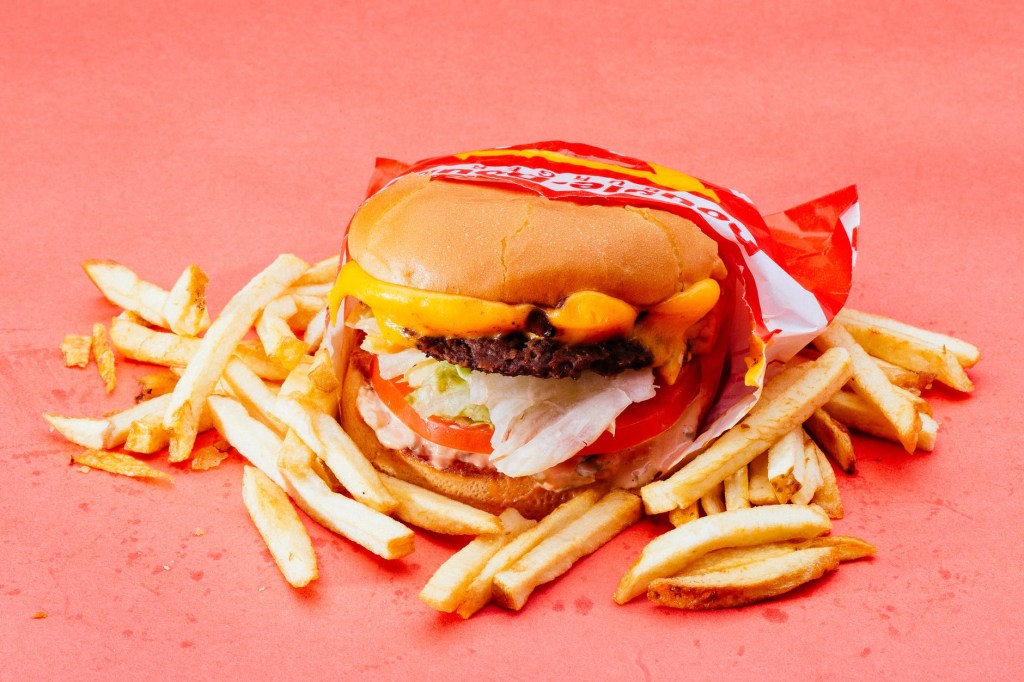
1. Lower the amount of ultra processed food in your diet.
“Ultra processed foods are the items we find in the grocery store and fast-food restaurants that contain ingredients either not found in nature, or that have been so altered from their original state that they don’t resemble anything that could have ever come from a garden. They’re engineered by the food industry to have tastes, texture, and ingredients that trigger the reward centers in your brain, leaving you wanting more and more. In other words, they’re designed to be addictive and have been recognized by many of them world’s leading nutritionists as “drugs.” A hallmark of these “foods” is that they’re high in calories and low in nutrition – a combo known as “empty calories.”
The hazards of ultra-processed foods could fill up a book of their own: up to 90% of chronic diseases may have their roots in the Standard American Diet. According to a 2019 study published in the British Medical Journal, 60% of the average American’s daily diet is composed of them, including, to name a few: chips, ice creams, candy, mass-produced breads and pastries, breakfast cereals, pizza, chicken and fish nuggets, sausages, and basically all fast foods. And the more ultra-processed foods in one’s diet, the lower one’s average intake is of the good stuff…” – pg 100 “Hormone Intelligence,” by Aviva Romm (HarperOne 2021).
To reduced the amount of ultra processed foods in your life I recommend menu planning, reducing eating out, and cooking at home more. At the end of this post are several good cookbook recommendations to get you started.
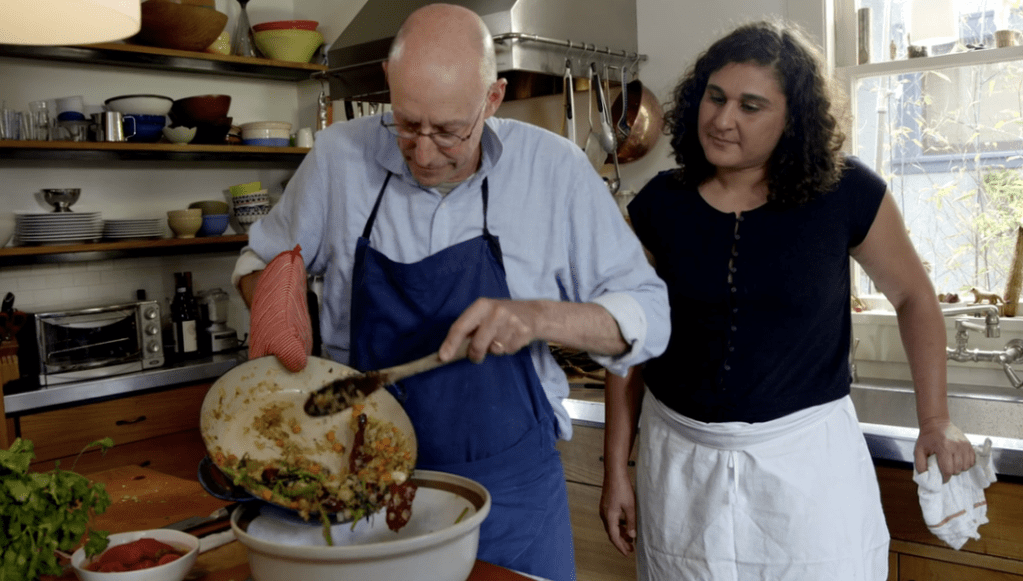
Netflix recommendation: Cooked (specifically episode: Water) by food writer Michael Pollan. This series brings an awareness of processed foods in our diet, what is in our grocery stores, and the value of cooking in the home.
2. Raise the amount of fruits and veggies you eat.
Avoid extremes – a balanced diet is not just fruit and veg. However, most of us can easily increase the amount of fruit and veg in the diet without doing any harm. The Abascal Way book (see bottom of post) suggests a ratio eating style and that breakfast be half fruit-veg choices to protein, and lunch and dinner be 2/3 fruit-veg choices to 1/3 protein-grain.
Eat a wide variety of foods. Sometimes you hear the expression, “eat the rainbow,” meaning eat a wide range of colors in your produce. Another saying is, “not long for wrong.” If you are eating a wide variety of foods then if something doesn’t agree with you, you will be moving on soon enough.
List of veggies to get your brain started: Artichokes, Arugula, Asparagus, Beans (green), Bell peppers, Bok choy, Broccoli, Brussels sprouts, cabbage, cactus pads, cauliflower, celery, celery root, chili peppers, cucumber, daikon, edamame, eggplant, endive, escarole, fennel, garlic, greens (any), jicama , kohlrabi, leeks, lettuce (any), mushrooms, okra, olives, onions, radicchio, radishes, seaweed, snow peas, snap peas, sprouts, summer squash, sweet corn, tomatoes, and watercress.
At the end of this post are some cookbook suggestions to get you started.
Also consider taking a general daily multivitamin to fill in the gap of nutrients you might not be getting from what you are eating.
3. Watch what you drink
For those not of the Latter-Day Saint faith, you may be thinking this refers to wine or coffee. There are good reasons to reduce or eliminate these beverages. While the religious side will cite the Word of Wisdom for some of these reasons, there are many medical health based research-validated reasons to reduce and eliminate caffeine and alcohol. I’m not going to go into them here, but a good starting spot is Michael Pollan’s short audiobook on Caffeine.
I do want to talk about drinking more water. Staying hydrated is essential to good health. One of the most valuable commodities to our wellbeing is clean drinking water. If you are not in the habit, put a water bottle near your computer, favorite chair, in the car, on at your work desk.
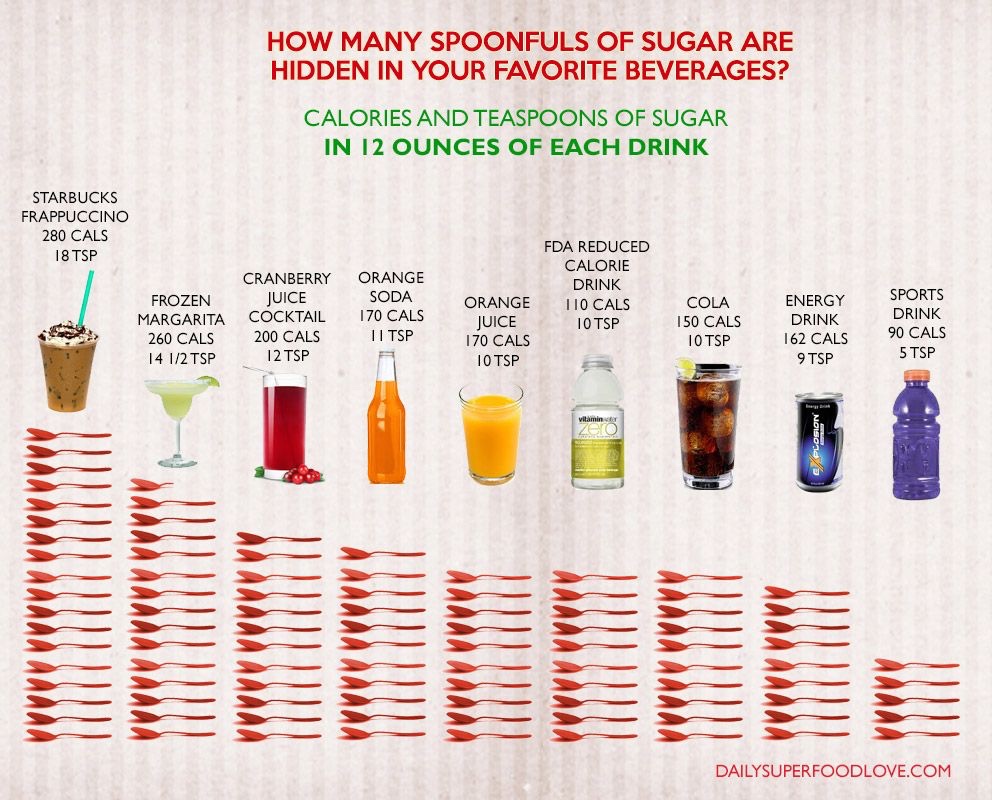
Sugar has got to go. You may be surprised to find out how easy it is to drink a load of sugar that you otherwise would not eat deeming it “too unhealthy.” This is often the cases with fruit juices. Just because it’s fruit doesn’t mean its healthy. I was recently reading the posters hanging my doctor’s office. A poster similar to the one above stated the fact that half of the added sugar in the average American diet is from beverages.
I have a personal story about sugar in drinks with my own sugar-love of hot chocolate. I had to breakup with Starbucks, which greatly improved both my health and budget. While I may have a hot chocolate now and then as a treat, my average-day substitute has been Crio Bru (100% cocoa bean, no sugar, and I don’t had honey or other sugars). I also lean on herbal teas or infusions when I want a flavored drink.
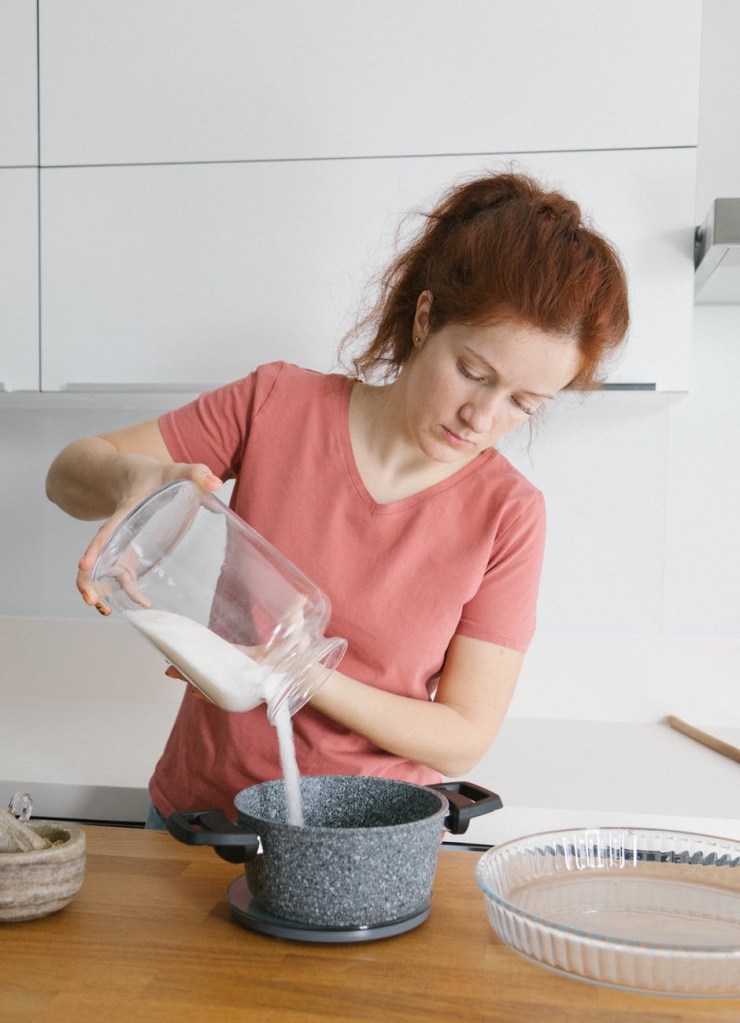
4. Reduce the amount of sugar you eat
You can see I already have started in on this topic via what you drink. Here are some additional tips from Dr Aviva Romm from her book Hormone Intelligence (HarperOne. 2021.).
– Toss all sugar-laden items that are hanging around – in your pantry, fridge, freezer, and the back of the drawer! Avoid sugar traps, like your colleague’s M&M bowl that you pass on the way to the bathroom, or walking down the candy isle at the grocery store.
– Make it a habit to keep your blood sugar steady by eating regular meals at roughly the same time every day. Use snacks in between as needed. Don’t wait until you’re grabbing sugar to give you the energy you need from real food and nutrients.
– Get enough sleep and manage your stress! How many use sugar as a self soother… probably all of us.
– Always have healthy snack alternatives on hand if you just “have to have” something sweet. Have dark chocolate (72% or darker) on hand, berries, dried fruit and nut mix, or some protein such as a hard boiled egg (because protein can kick the sugar cravings).
– Hydrate – we often confuse thirst hunger for a craving.
– Sublimate: Have a list of activities other than eating that you can do, like take a walk, dance, step way from a task that’s boring or stressing you, and so on.

Cookbook recommendations:

Hormone Intelligence – This is my newest find, and just came out summer 2021. This volume has almost a full recipe book in the back of it. While the focus of the book is women’s health, many of the principles include general health guidelines that apply to both genders.
My fav from this book – Broccoli Chicken Sesame Noodle Bowl with Peanut Sauce. And Super Seed Musli.
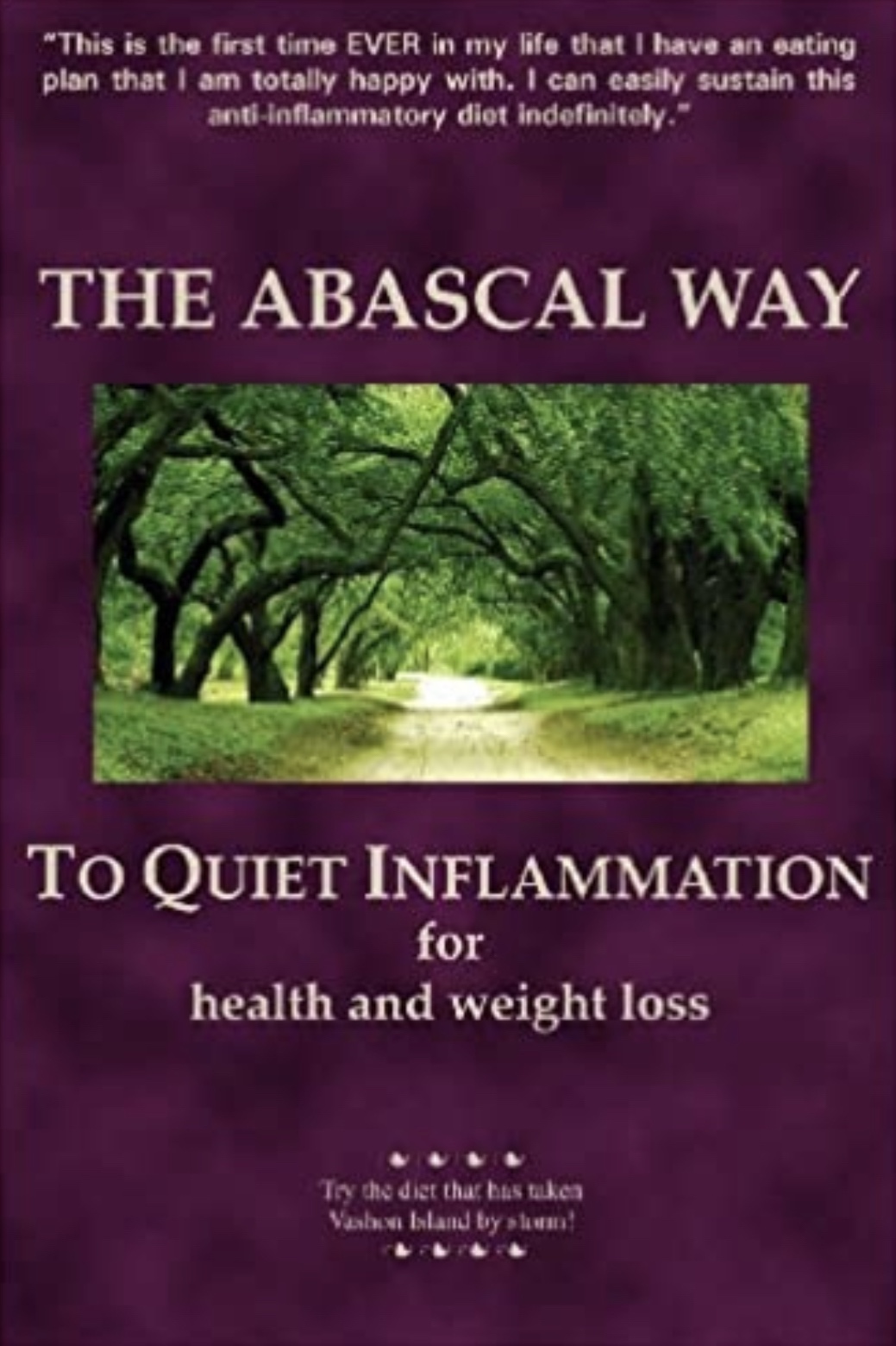
The Abascal Way Cookbook – This is a local book coming from the Abascal family on Vashon Island and comes with an excellent companion book explaining principles of healthy eating and some basic biology surrounding what drives our bodies and its relationship to food. The Abascal Way is sometimes called the TQI (to quiet inflammation) diet. There is an optional built in set of recipes of self-testing for food sensitivities. If you have a lot of food allergies this may be a good source of recipes, with maybe the exception of a nut allergy.
My fav from this book – Coconutty Brussels Sprouts, which is an Indian take on an often boring vegetable. And Almond Meal Waffles.
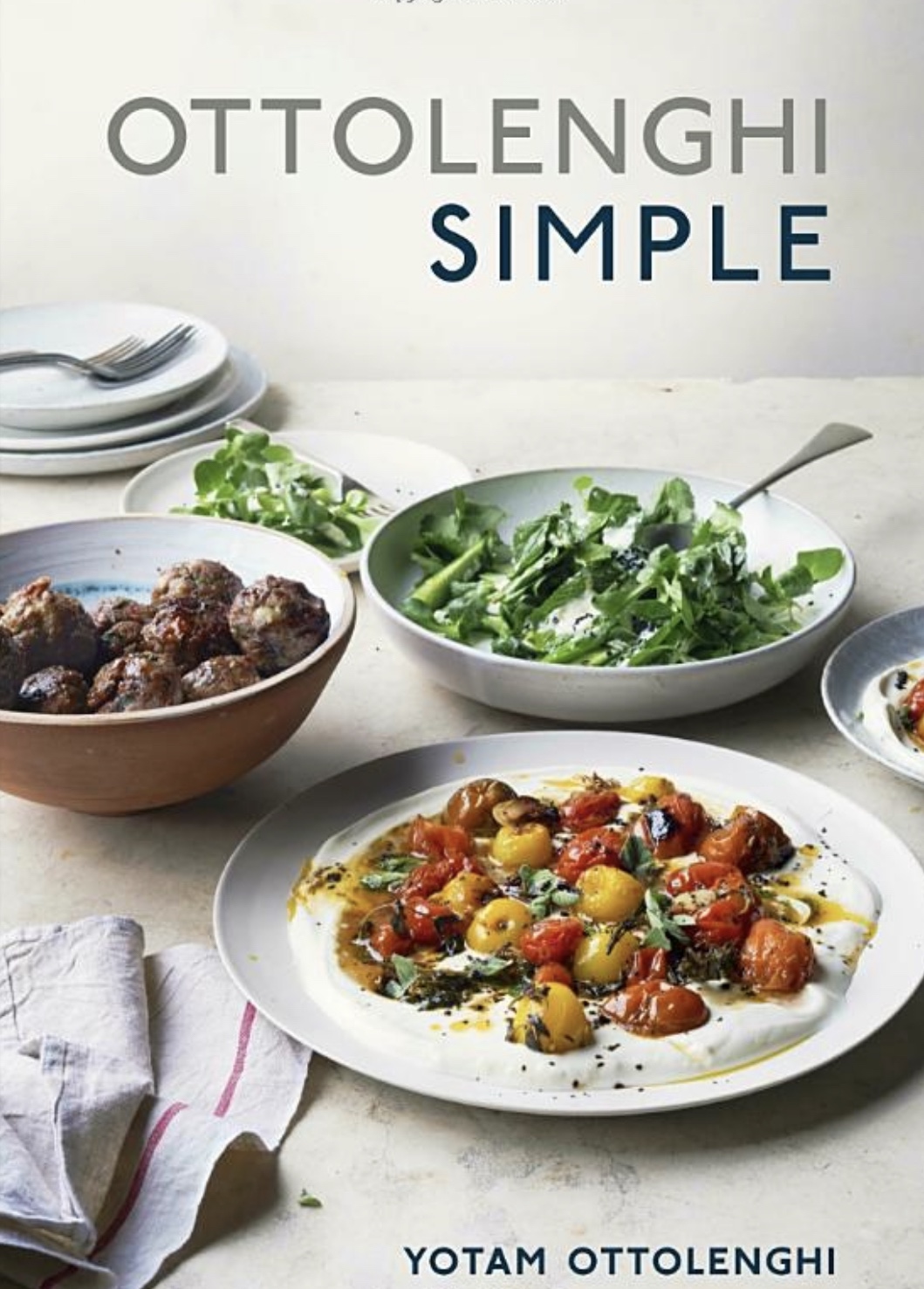
Ottolenghi SIMPLE – Yotam Ottolenghi is a UK based chef and my favorite recipe creator. I routinely cook his recipes from several of his cookbooks. He can be known for long ingredient lists and sometimes harder recipes as everything is made from scratch. However it’s worth it! I’ve recommended SIMPLE here, as it is designed to not be too complicated, and clearly spells out parts of dishes that can be prepared ahead, left to simmer, or made out of pantry staples. This autumn (2021) a new cookbook called Ottolenghi Test Kitchen: Shelf Love is also designed along these lines, reflecting the great success of SIMPLE.
My fav from this book – Fried broccoli and kale with garlic, cumin, and lime. And Pumpkin, Saffron, and Orange Soup.
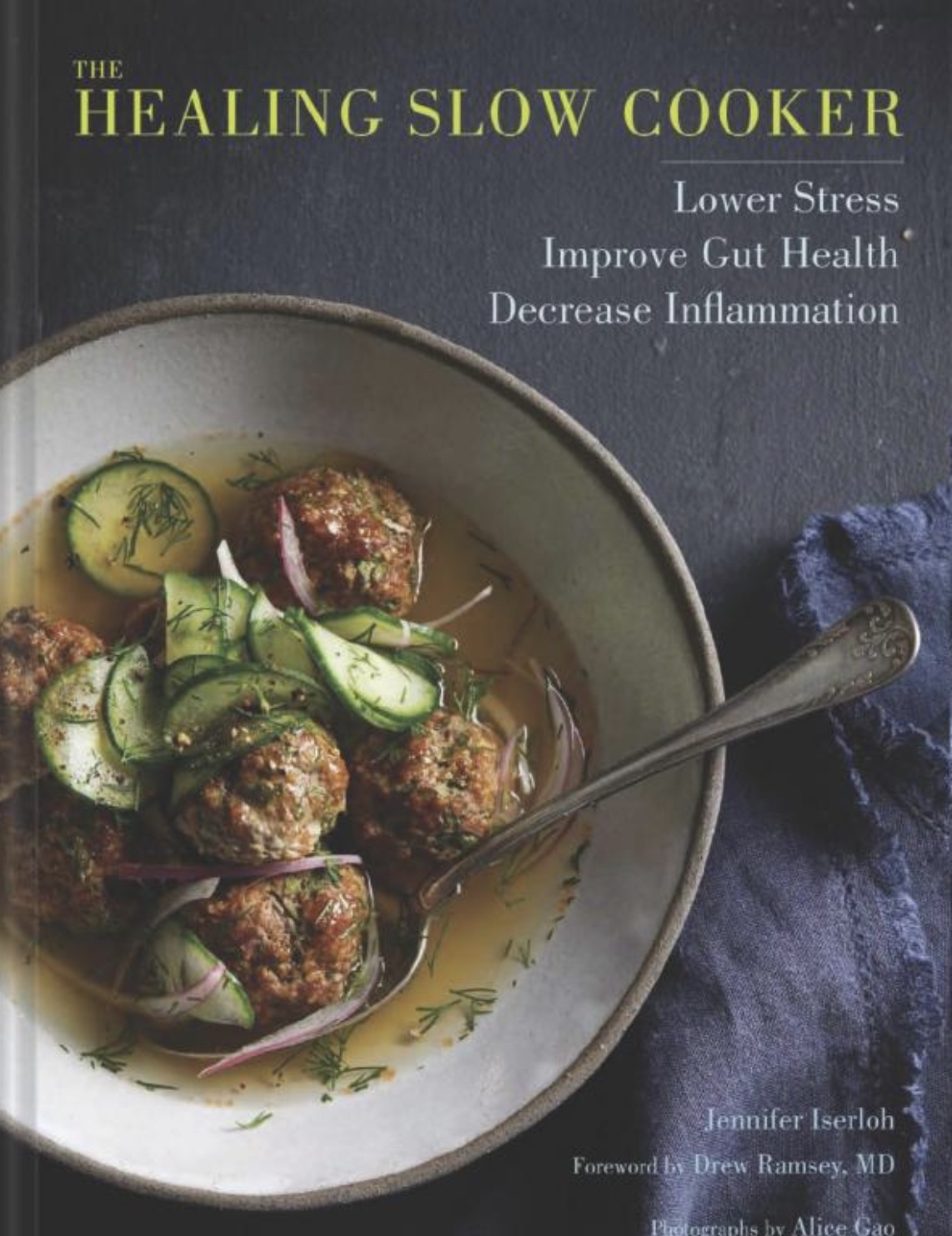
The Healing Slow Cooker – combine the convenience of a crock pot with super healthy and low inflammation recipes.
My fav from this book – Poppy Seed Citrus Salmon Over Beets. And Sunny-Side up Eggs with Sweet Potato Fries.

Anti-inflammatory Eating Made Easy – simple practical and delicious recipes. The author is local – living in Seattle and graduating from Bastyr University.
My fav from this book – Sweet Potato Hash with Lamb Sausage. And Hazelnut-Encrusted Halibut with Dipping Sauce.
 Be Prepared Seattle