As our modern world gets more and more complex, focus will become harder to naturally do. It will be necessary to PRACTICE being more focused, and DESIGN SPACES that promote being focused. This includes mental spaces, spaces on our schedules, and physical spaces that are free of distractions (see Cal Newport’s Deep Work book and Millburn & Nicodemus’ book Minimalism). As you might imagine, this takes some effort, so don’t expect such changes to happen easily or overnight. The same practices that are implemented in meditation and mindfulness can also help build up our ability to focus.

The first step to better focus is to realize why things are on your mind. Full disclosure and credit – I am using methods taught by David Allen’s Getting Things Done (GTD) which I have used and studied for many years. Usually stuff is floating around your head because you have not captured it into a trusted system for review later. Your brain thinks that things on your mind should be addressed and done NOW. If these thoughts are not put somewhere safe for review later, then it will be impossible to clear your mind of the thought. So, step one is learning a trusted system to capture your thoughts and all the “stuff” that is thrown at you from assignments, asks, to-do items, emails, voice mails, texts, etc…
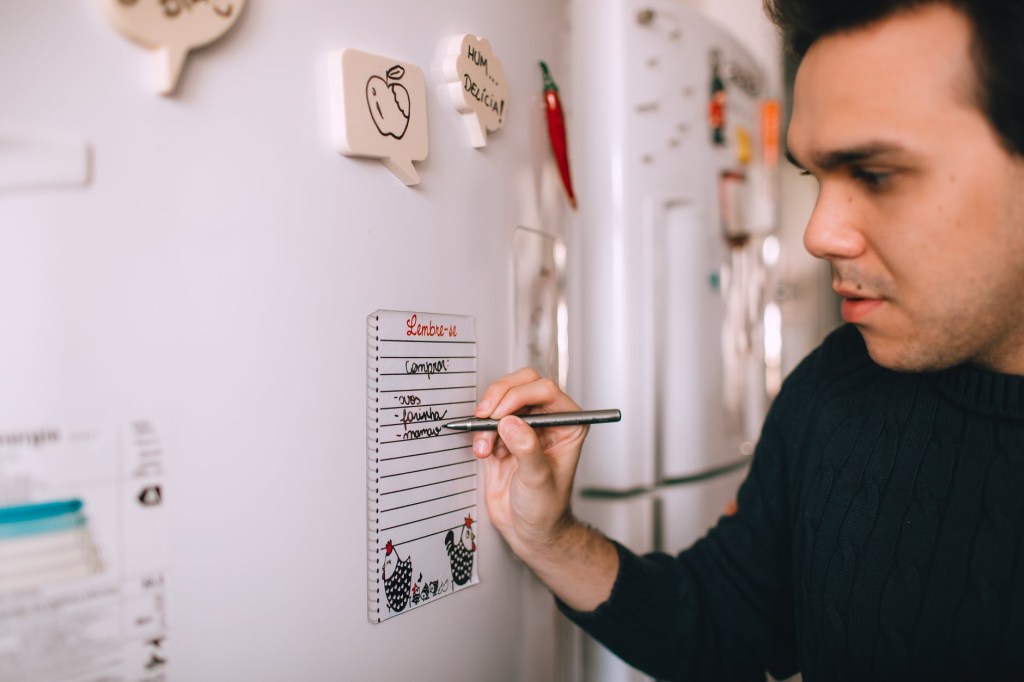
The trusted system is easy – just write it down. Make a list. But the key to trust is that you will regularly review this list and as part of that process write down the very next baby step for each item on the list to move forward to completion. Your list can be on paper, on a Google doc, or I like to use the list-making app (and website) Workflowy.com.
There’s a lot of “stuff” that flies at us daily and as part of the larger Getting Things Done organization system, aside from the to-do list is to have a trusted file system to sort all this stuff into. Again, stuff in the filing system are not to-do items – those are either captured on your list or delegated. The filing system consists of:
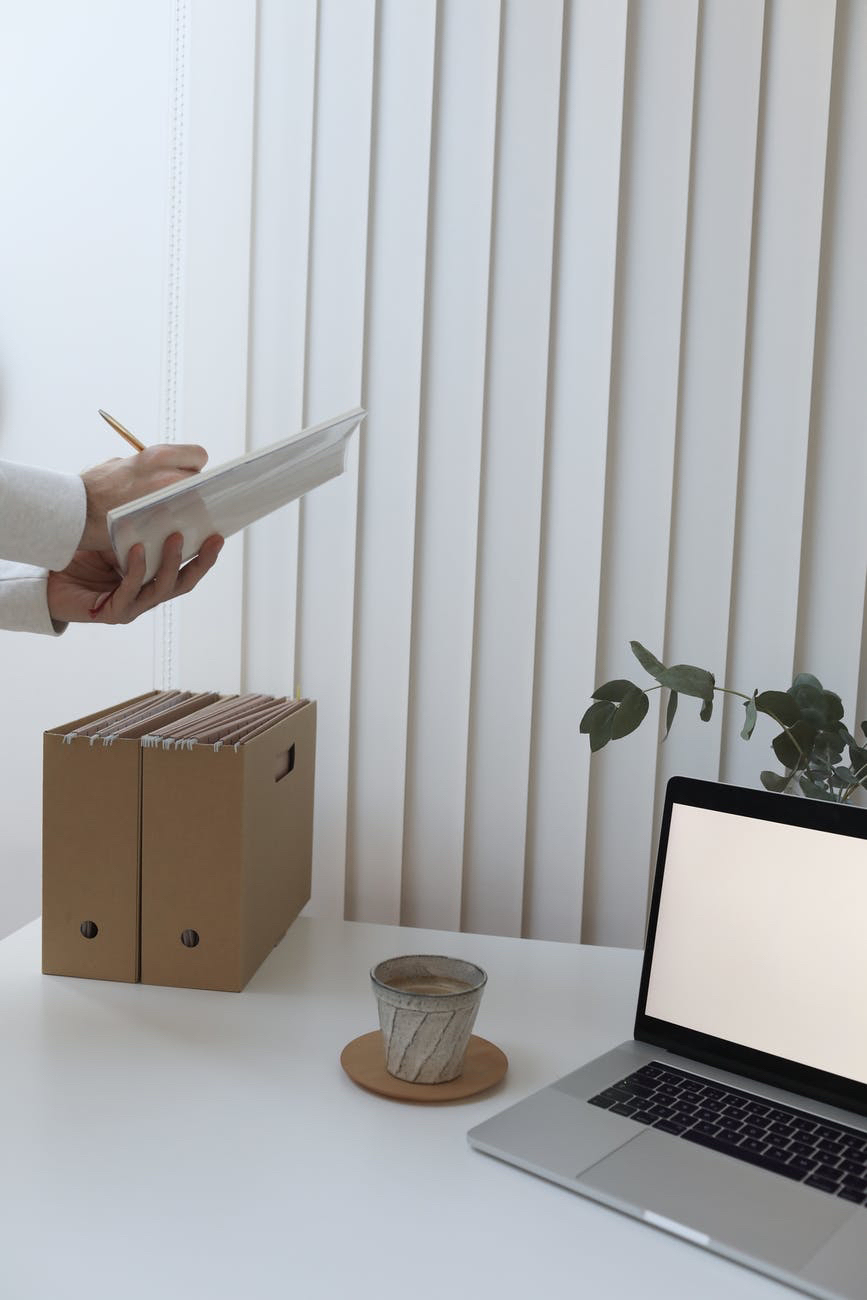
1) storage files for information you are going to hang on to long term. These can be either physical and/or digital. David Allen Getting Things Done system encourages alphabetical organization. I personally have digital file trees organized by systems: church, work, home, health, family, etc… and tend to promote using cloud storage so items are available on-the-go.
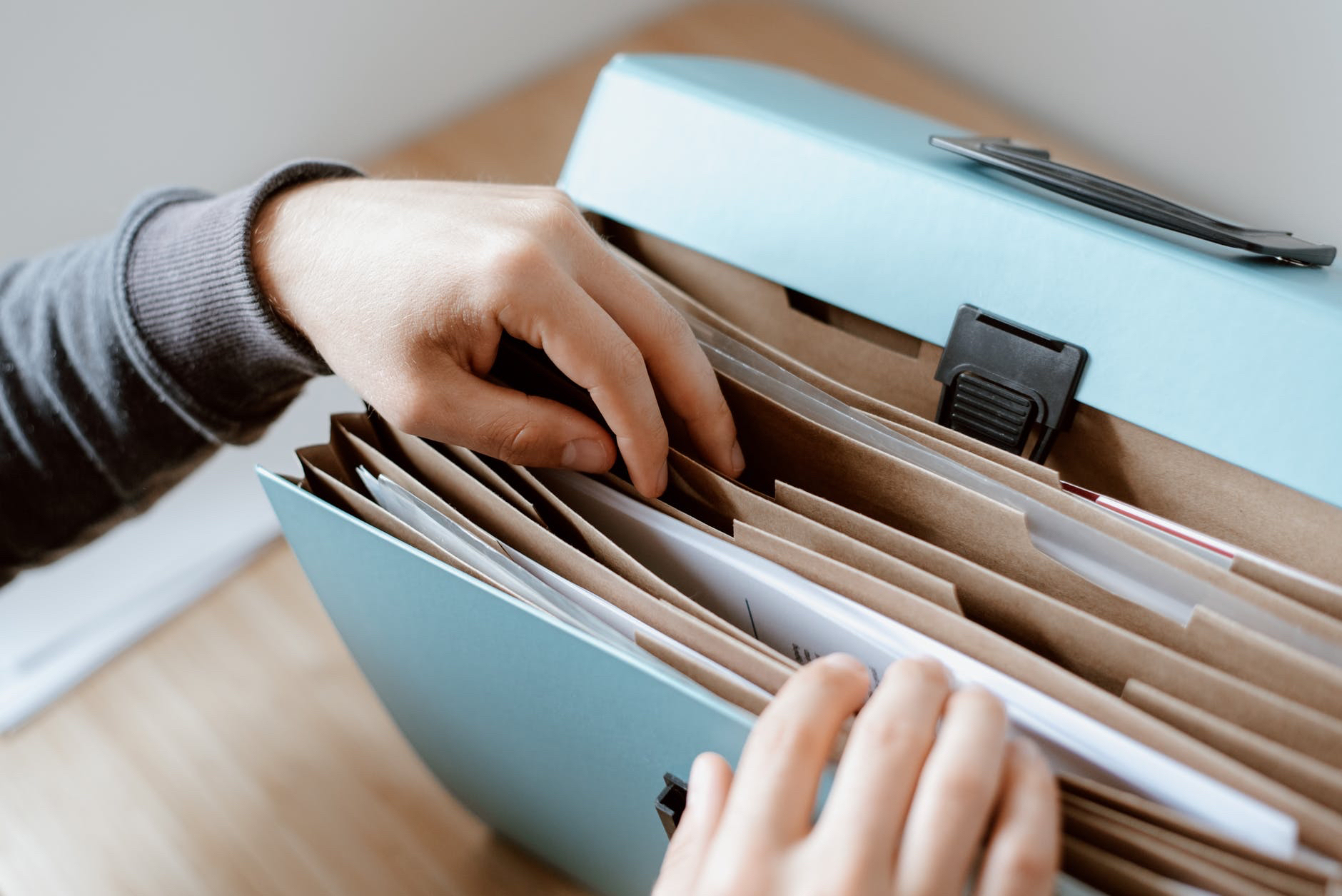
2) temporary physical files for time sensitive items that you may want to remember or review on a specific month or date. Start with a 12 month file folder. If you have lots of material in this area you can make further day-by-day system called a tickler file.
I like to also do a digital version of this – make a 12 month list covering the next two years. As items come up that you need to review at a future date, put them on the list under the appropriate month. Don’t forget to schedule to regularly review this list.
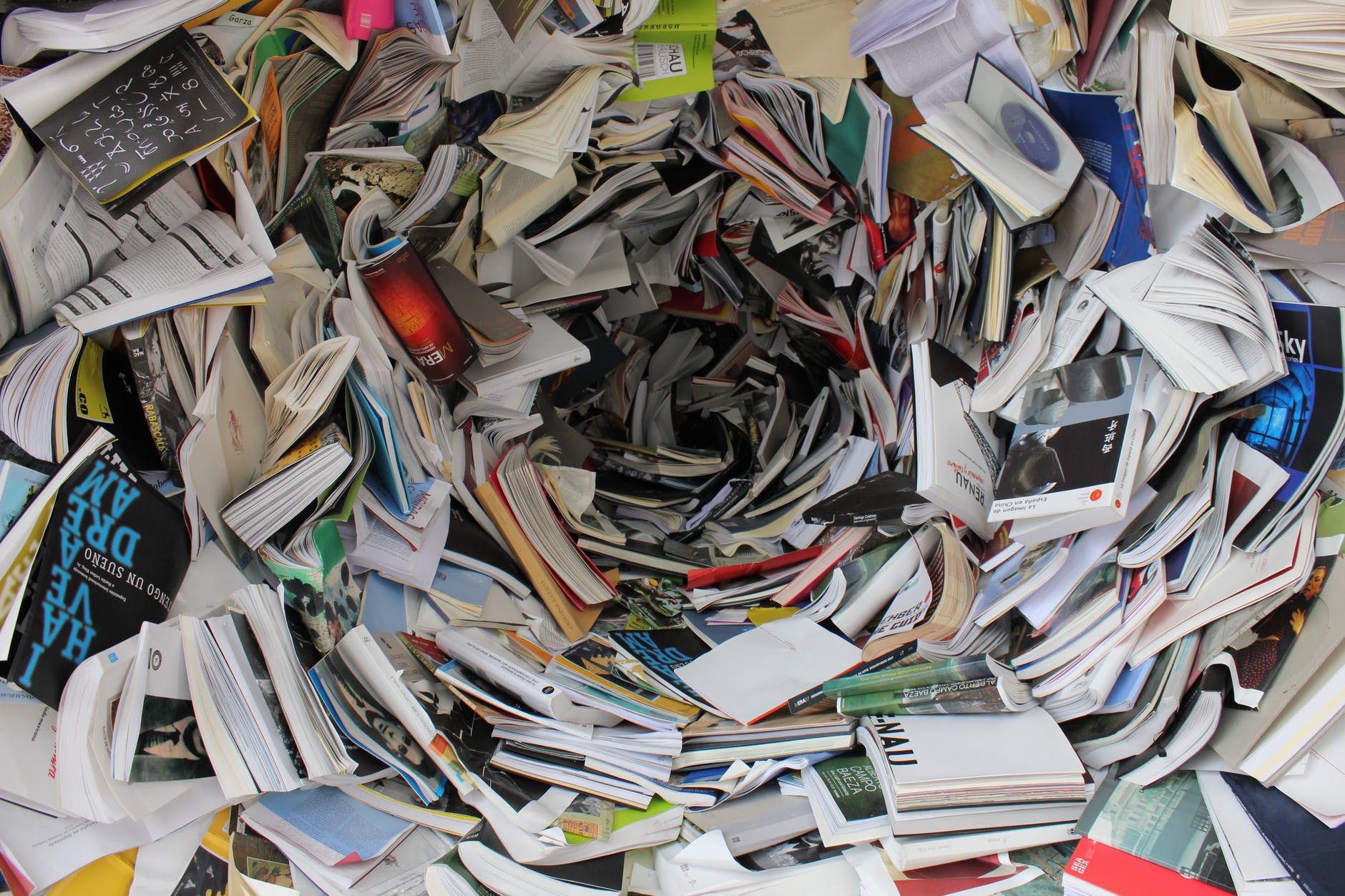
3) Trash – don’t let it clutter your life. Put it in the bin! Recycle!! Regularly scheduling a full day once every 6-12 months to review your files and get rid of stuff you no longer need. This is a good way to stay on top of the paper clutter in your home. As my friend says when cleaning house – paper is like sand, it gets everywhere!
 Be Prepared Seattle