First off – designate who is your emergency contact(s) in your phone. You should be able to do this through your Contacts App (at least for iPhone… sorry, I’m not an Android user…). This is who will get called if you end up unconscious in the hospital. You can also make and carry a card in your wallet that identifies your emergency contacts and any known allergies or major medical conditions.
Part of any emergency preparedness education would not be complete without a section on First Aid. We’ll discuss putting together a first aid kit, as well as gaining first aid skills.
First Aid Kits – on the go
There is an option to buy a pre-made kit vs putting together your own. Depending on what activity you are doing (i.e. hiking, car trips, etc…) you may want to store and supplement your kit to fit that activity. Also, if you have kids make sure to have liquid child versions of common medications. If you have medical conditions make sure to have extra supplies, including if possible extra prescription medications.
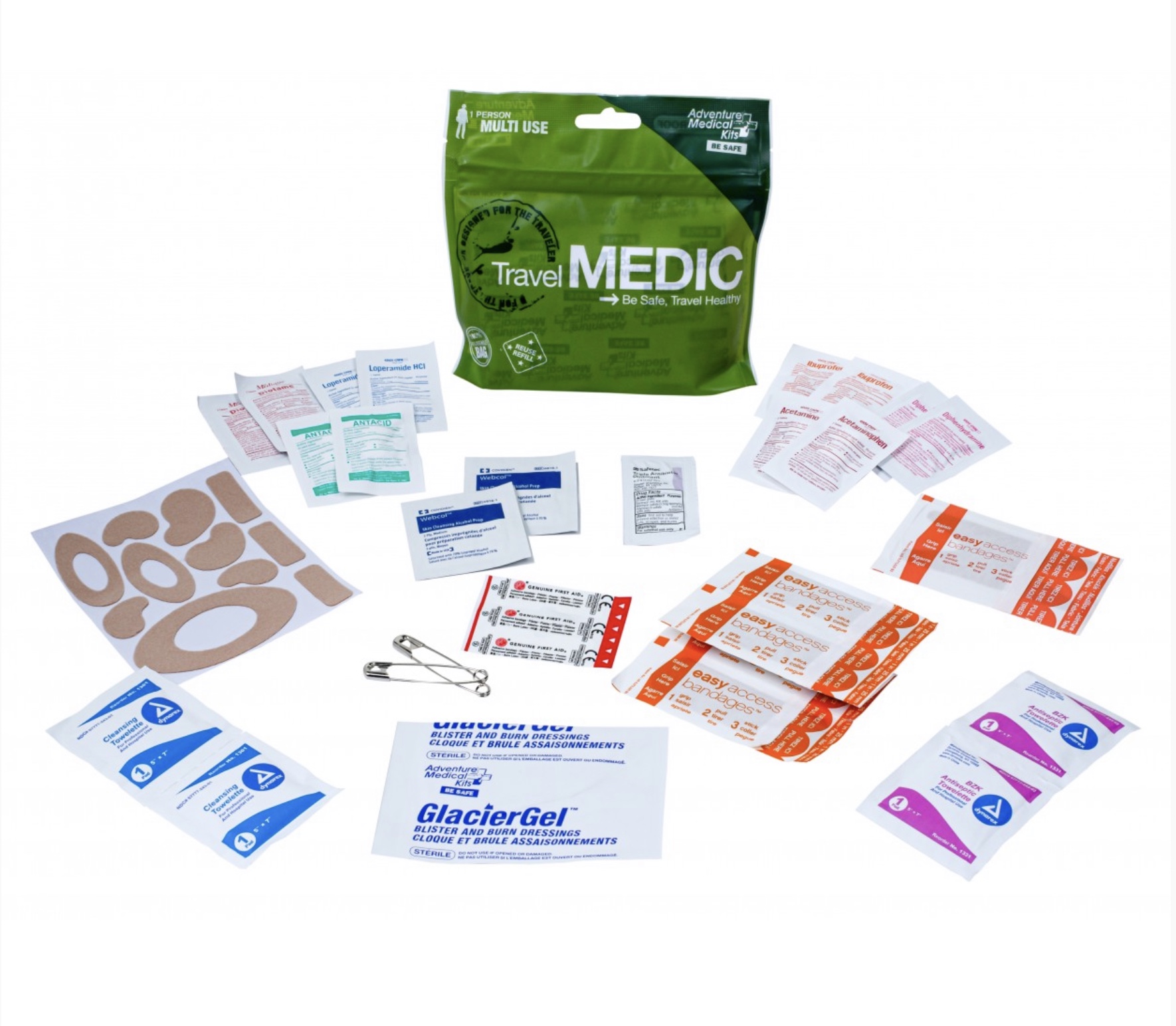
Pre-made kits. My favorite brand is: Adventure Medical. I recommend for the individual starting with their small travel kit. I like it because it has small individual packets of common medications along with bandaids and antiseptic wipes. At around $12 it is easy to afford several of these to stash in various places. You can also buy and replace just the medication portion when it expires for around $5-7. This med pack is also a great supplement to any existing first aid kit.
Their family outdoor kit for $30 is great if you have kids and do a lot of outdoor activities together. They also have mountain, sportsman, and professional kits available.
What is in the mini travel Adventure Medical first aid kit:
- 4 – Bandage, Adhesive, Fabric, 1″ x 3″
- 1 – Bandage, Adhesive, Fabric, Knuckle
- 2 – Bandage, Butterfly Closure
- 1 – GlacierGel (Large Oval) – blister and burn dressing
- 11 – Moleskin, Pre-Cut & Shaped (11 pieces)
- 2 – Safety Pins
- 2 – Acetaminophen (500 mg), Pkg./2 – pain relief/Tylenol
- 2 – Antacid, Pkg./2 – digestion aid
- 2 – Antihistamine (Diphenhydramine 25 mg) – allergies
- 2 – Diamode (Loperamide HCI 2 mg), Pkg./1 0 – diarrhea
- 2 – Diotame (Bismuth Subsalicylate), Pkg./2 – stomach relief (Pepto-Bismol)
- 2 – Ibuprofen (200 mg), Pkg./2 – pain relief/ NSAID
- 2 – Wash-Up Towelette
- 3 – After Cuts & Scrapes Antiseptic Wipe
- 3 – Alcohol Swab
- 1 – Triple Antibiotic Ointment, Single Use

If you want a pre-made kit that is a bit more than the mini travel kit, I would recommend the ultra light and water tight kit also from Adventure Medical for $30. It is geared towards the outdoors with added sting relief wipes, tick pickers, and even some duct tape.
I have supplemented my everyday go-with-me first aid kit with:
- Pair of latex free gloves
- Disposable face mask
- Flat packed N95 mask (3M Aura 1870+)
- roll of sterile single use gauge stretch bandage 3” wide, 75” long
- Tegaderm film (can substitute waterproof bandaids)
- Feminine pads x2 (also good for putting over large wounds in a pinch)
- Dramamine – motion sickness tablets
- Mucinex or your favorite cold & flu medication
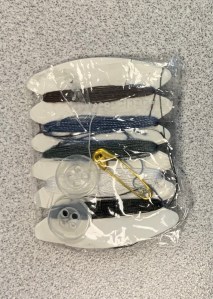
- Mini sewing kit (see picture below)
- $20 bill
- emergency contact info card
- Triangle bandage (if you have room) – on Amazon it’s harder to find less than a 12 pack, so share them around with friends and family!

Remember that for Seattle one of the most destructive natural disasters to prepare for is a large earthquake. The most common non-life-threatening injury after an earthquake is cuts from broken glass. So, have lots of first aid gear on hand to treat cuts, and some really sturdy gloves and shoes around to protect your hands and feet from glass.
First Aid Kits – at home
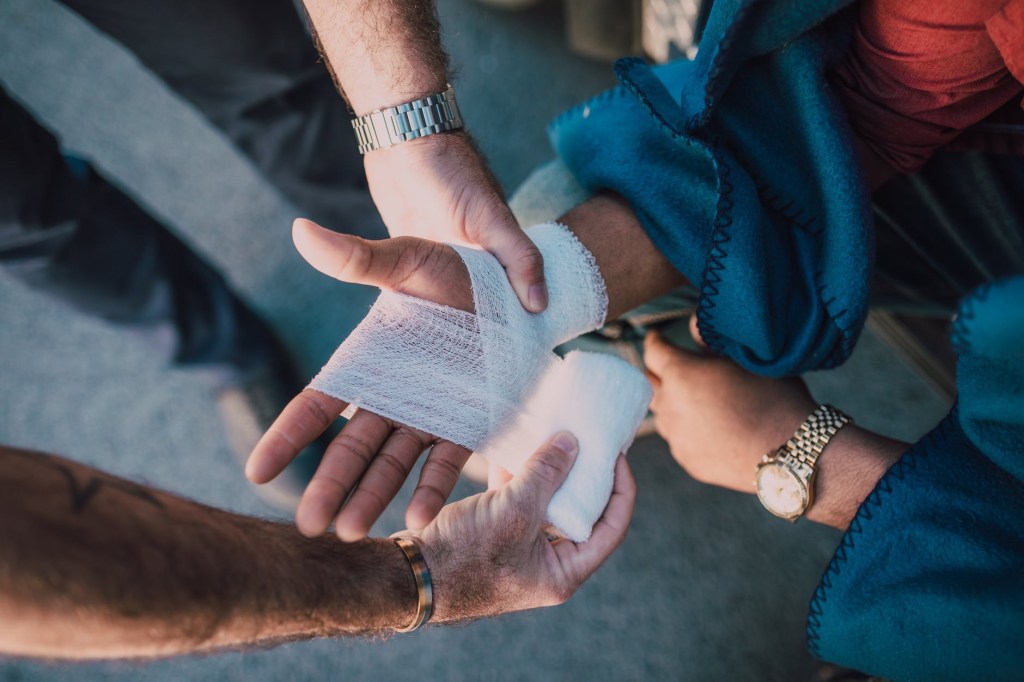
Aside from a traveling first aid kit that will be in your car, camping gear, backpack, or 72 hour kit, it’s good to have some additional items ready to grab in the medicine cabinet at home. Because if you’ve ever cut yourself in the kitchen, suddenly gotten ill, had a splinter, or have come home and realized you are sunburned or bitten by mosquitoes, then there are a few things you can keep on hand to make your life easier. These are just a few suggestions:
Basic first aid items
- Very fine tip tweezers
- Latex free disposable rubber gloves
- Masks (consider both disposable and N95)
- Hand sanitizer
- Thermometer
- Bandaids of various sizes
- Steri strips or butterfly closures for helping to close deeper cuts
- Ice pack
- Ace wrap
- triangle bandage
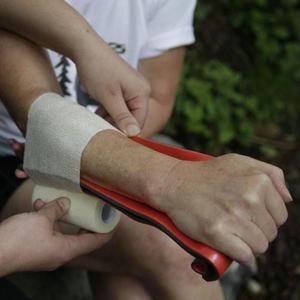
Optional item – SAM Splint or C Splint – both are foam covered flexible aluminum strips that can be molded into different shapes to help splint various parts of the body. Great for outdoor/rural activities, not only good for arms and legs, but also ankles or neck. You can even buy small splints for fingers.
Basic Medications
- Pain reliever – Tylenol, Ibuprofen, Motrin, etc…
- Digestion aid – Pepto-Bismo, Gas-X, Tums, etc…
- Severe Cold and Flu – Mucinex, NyQuil/DayQuil, etc…
- Cough and sore throat drops
- Allergies – Zyrtec, Allegra, Claritin, Benadryl, etc…
- Allergies – eye drops
- If you have severe allergic reaction history please have a current epi-pen in your first aid kit
- Sunburn relief – aloe Vera gel
- Anti-itch cream – hydrocortisone, Benadryl cream
- Anti-fungal spray – Lotrimin, Tinactin, etc…
Find and record the information for the nearest urgent care clinic to your home and/or work, as they can offer after hours treatment, or be available quicker than your primary care provider, and are a lot cheaper than a visit to the emergency room. Many urgent care facilities now offer tele-health visits and/or nurse triage phone lines. This can also help support at home care.
Advanced First Aid Kit Items
This gear is both more specialized and more expensive. It is suggested only if you have received training on how to use it. Below I list both local training classes, as well as some gear recommendations.
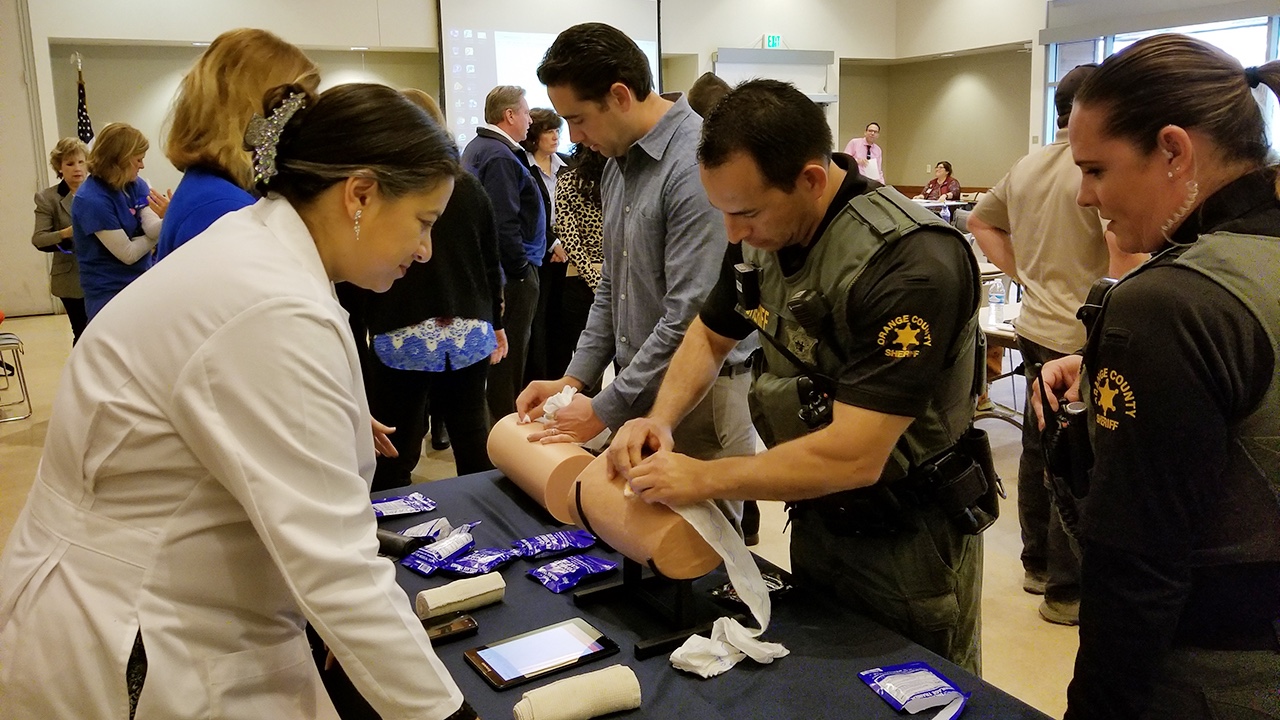
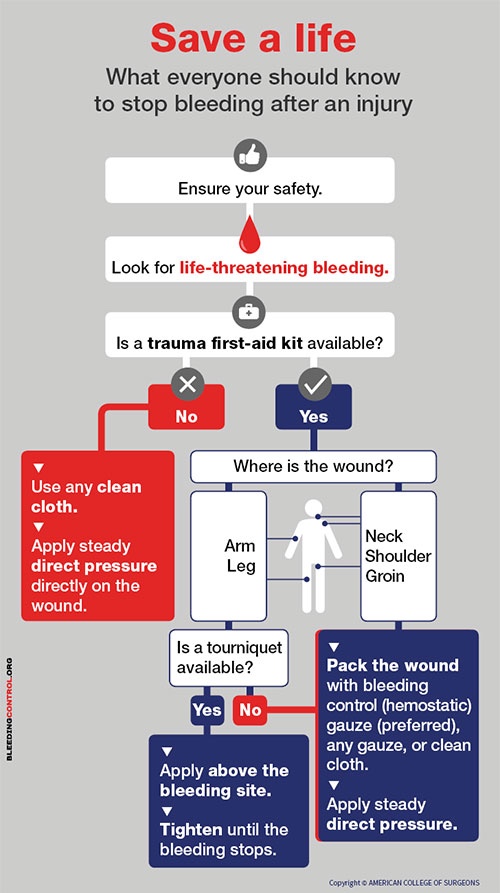
Stop The Bleed class. This teaches quick first aid for trauma where a person is in a life threatening bleeding situation; specifically if you can use a tourniquet on a limb, or pack the wound. There area classes all over the country, and I’ve taken a the class here in Seattle. Some places may not offer classes during the COVID-19 pandemic.
Medical grade tourniquet (I like the C-A-T style) – this will run you a good $25-30. It’s made to stop life threatening major bleeding (think horrific injury or accident). You can also get trauma packs with quick clot gauze designed to pack large injuries or wounds. The most affordable start around $25 and is Adventure Medical: Rapid Response Trauma Pack.
CPR First Aid – American Heart Association provides many classes for both public citizens and professionals that work in healthcare. I would recommend a class that covers the basics of CPR including how to use an automatic electronic defibrillator (AED).
I have taken CPR classes 5 times over the last 10 years for work. The American Heart Association does update their guidelines from time to time, so if it has been awhile I would recommend you take a class again. The online training has also greatly improved over time.
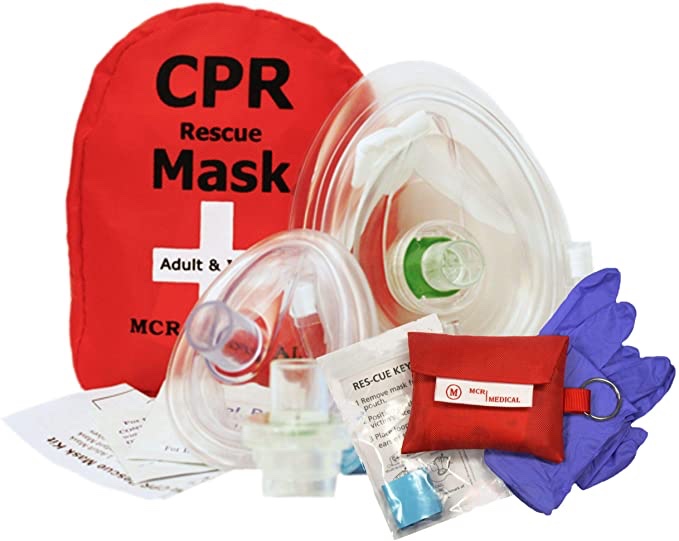
Optional extra equipment for your first aid kit – plastic CPR face mask. This kit is comprehensive with both child and adult sized masks with one way valves.
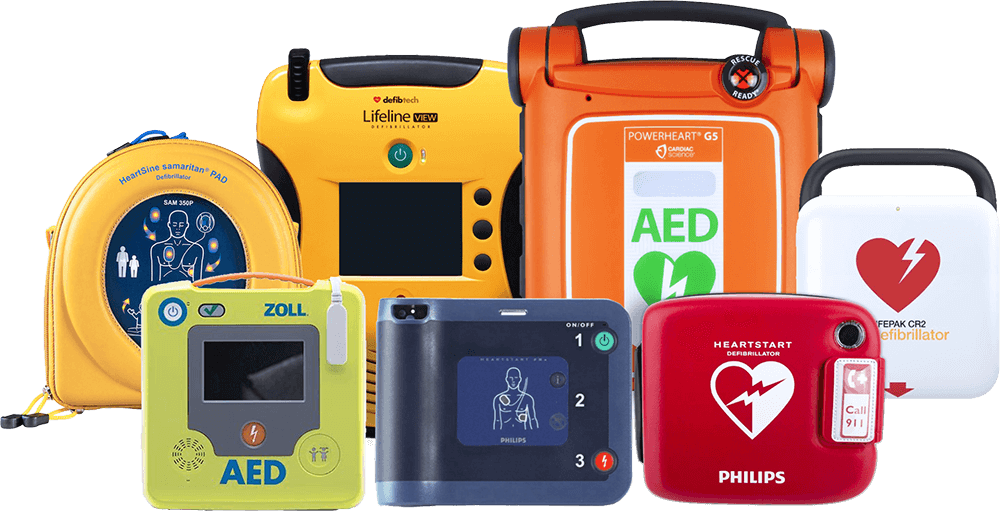
AEDs, or Automatic Electronic Defibrillators, are an important part to treating someone in cardiac arrest. These are expensive, but can often be found in common public spaces. Pulse Point offers an interactive map and registry to try and alert the public to where AEDs may be located near them.

 Be Prepared Seattle