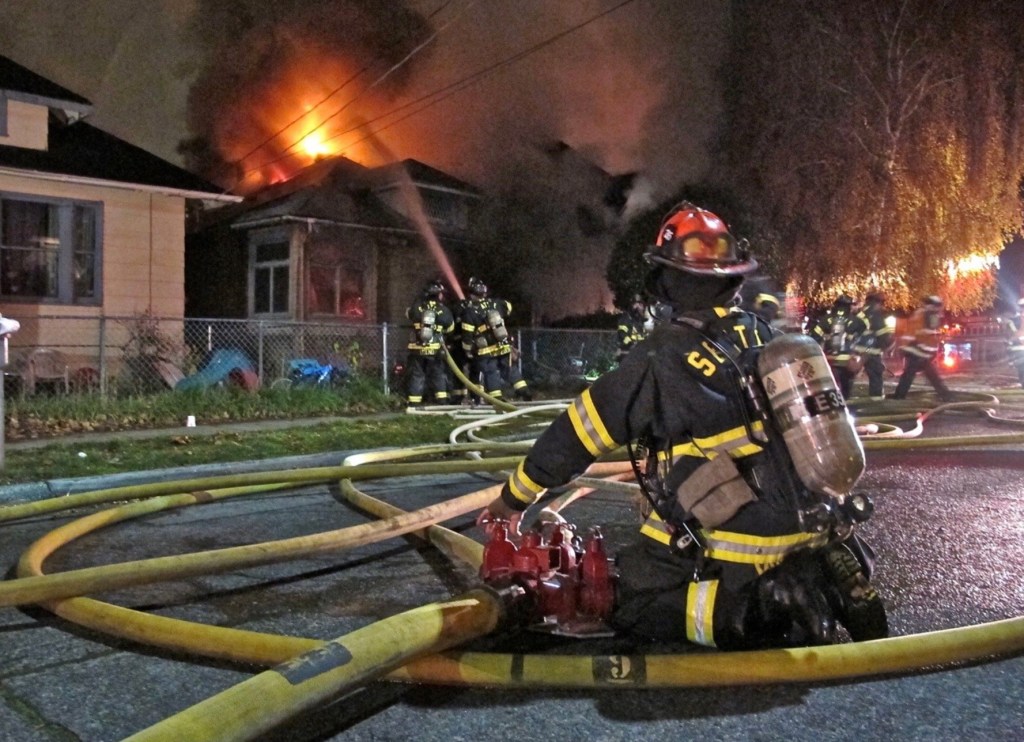
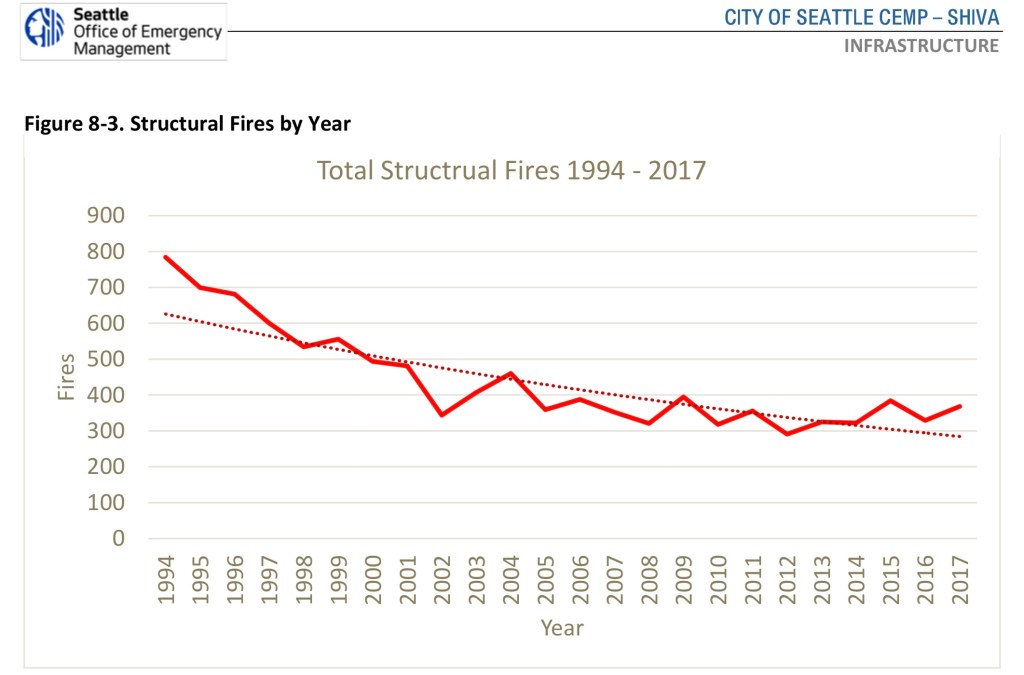
The City of Seattle experiences hundreds of fires in homes and businesses every year. Simple preparedness steps can save fires from getting out of hand, or save important documents and items from being destroyed in a fire.
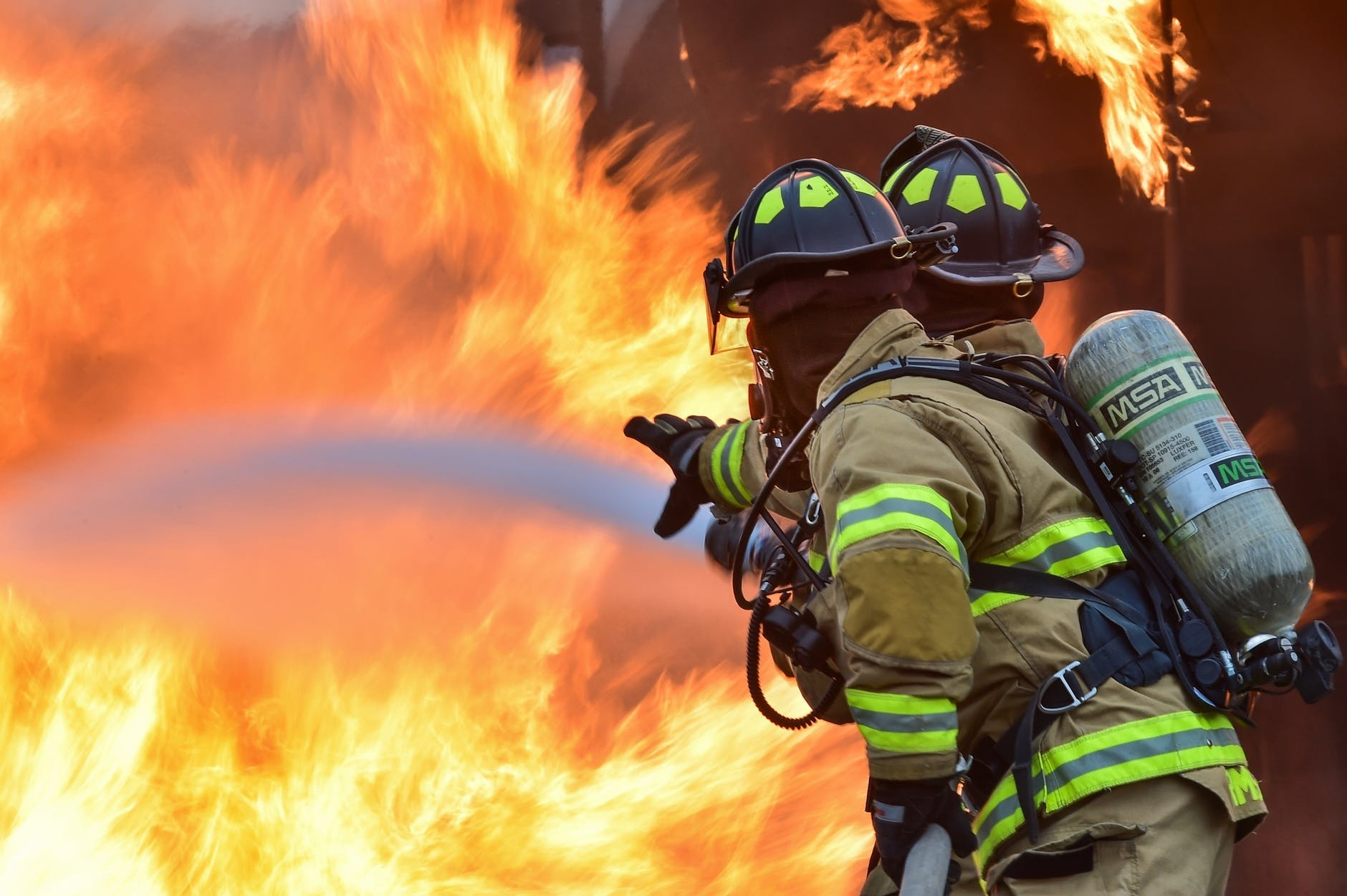
Make sure you have either home or renters insurance that would cover your dwelling and/or possessions in case of loss due to fire.

Have important documents digitized, backed-up, and a fireproof safety deposit box or safe at home. I like this small one by SentrySafe.
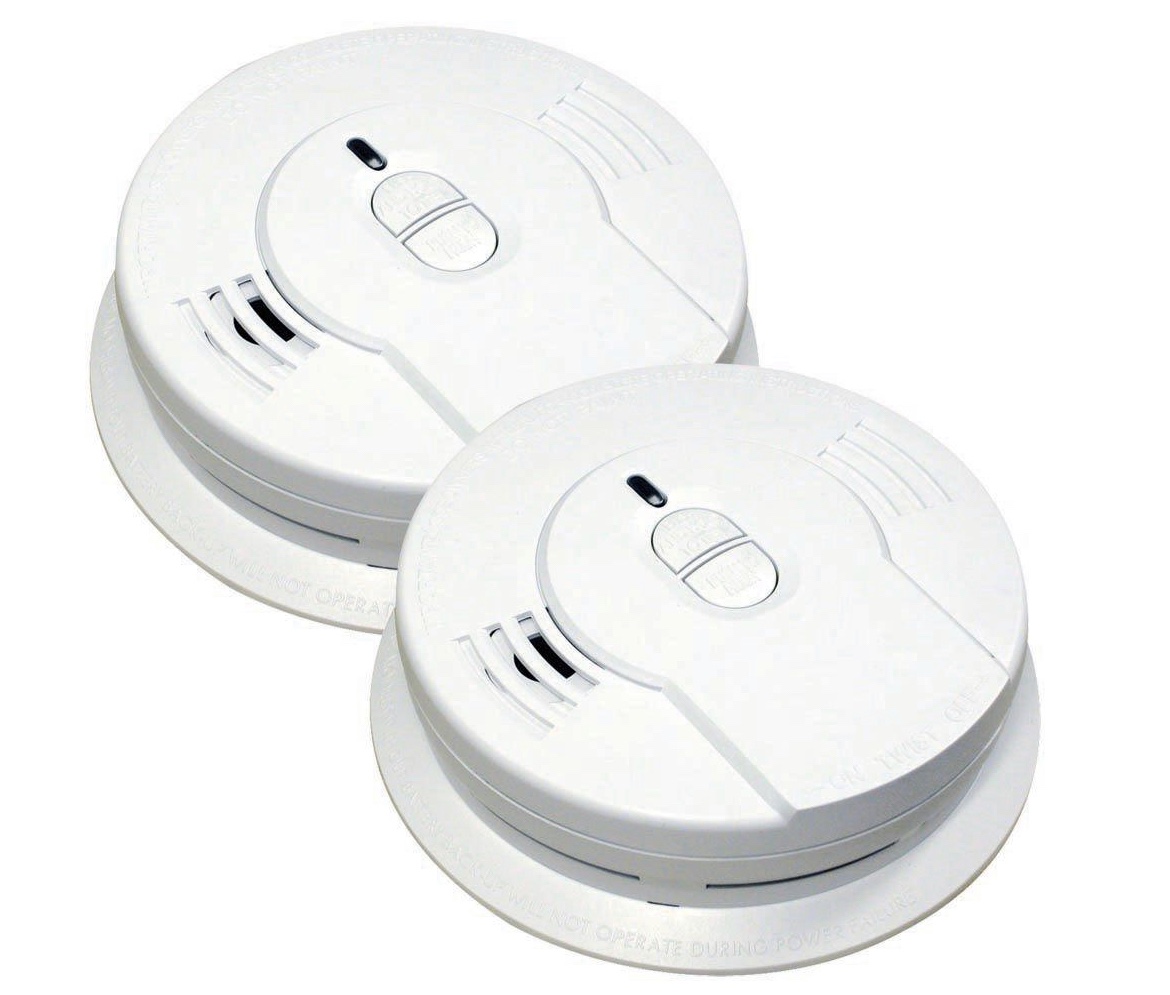
Prevent fires by a combination of preparation and safety practices. Start by having fire alarms installed in your home. It is recommended to have one one each level of your home and in each room. It only takes 5-10 minutes to have a room fire become a building fire.
And while we are talking about alarms… make sure to have a carbon monoxide alarm in your home too.
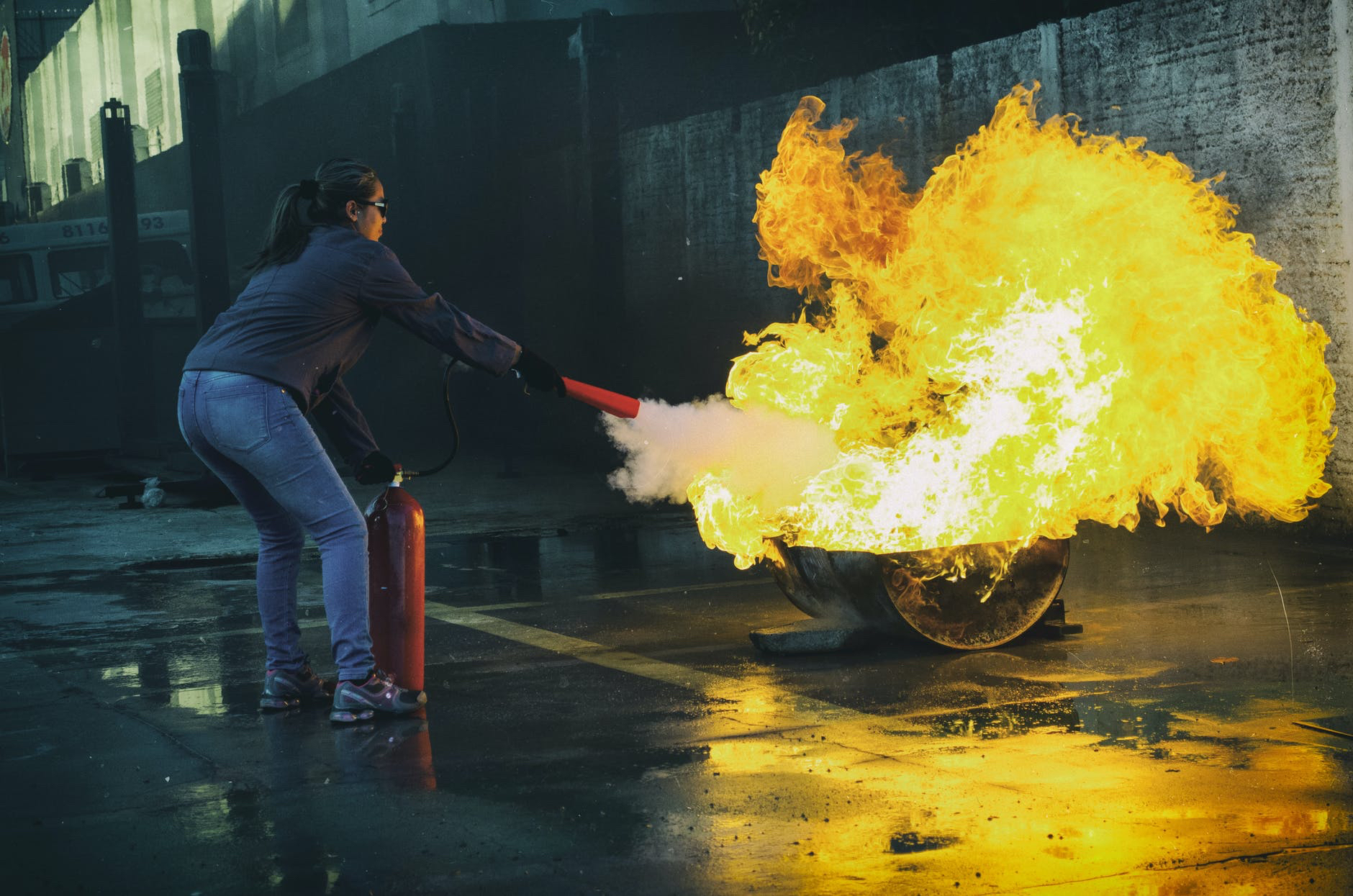
Have a fire extinguisher in your home. It doesn’t have to be big or expensive. It is recommended to have one that can handle grease and/or electrical fires. Store your extinguisher in the kitchen, so it can be used on the oven, microwave, or stove. I personally like these easy to use units.

“Unattended cooking is the leading cause of home fires in Seattle. Never leave the kitchen when frying, broiling or grilling food. If you must leave the stove, turn it off or set a timer to remind you to check the food.
If there is a fire in a pan:
- Cover it with a lid—use an oven mitt to protect your hand.
- Turn off the stove and leave the pan covered until it is completely cool.
- If the fire is large or has spread to other items, get outside quickly and call 911 from a safe place.
Keep all things that can catch fire away from the stovetop—loose clothing, oven mitts, towels, papers, food packaging, wood or plastic cooking utensils and even curtains.” – SFD Website
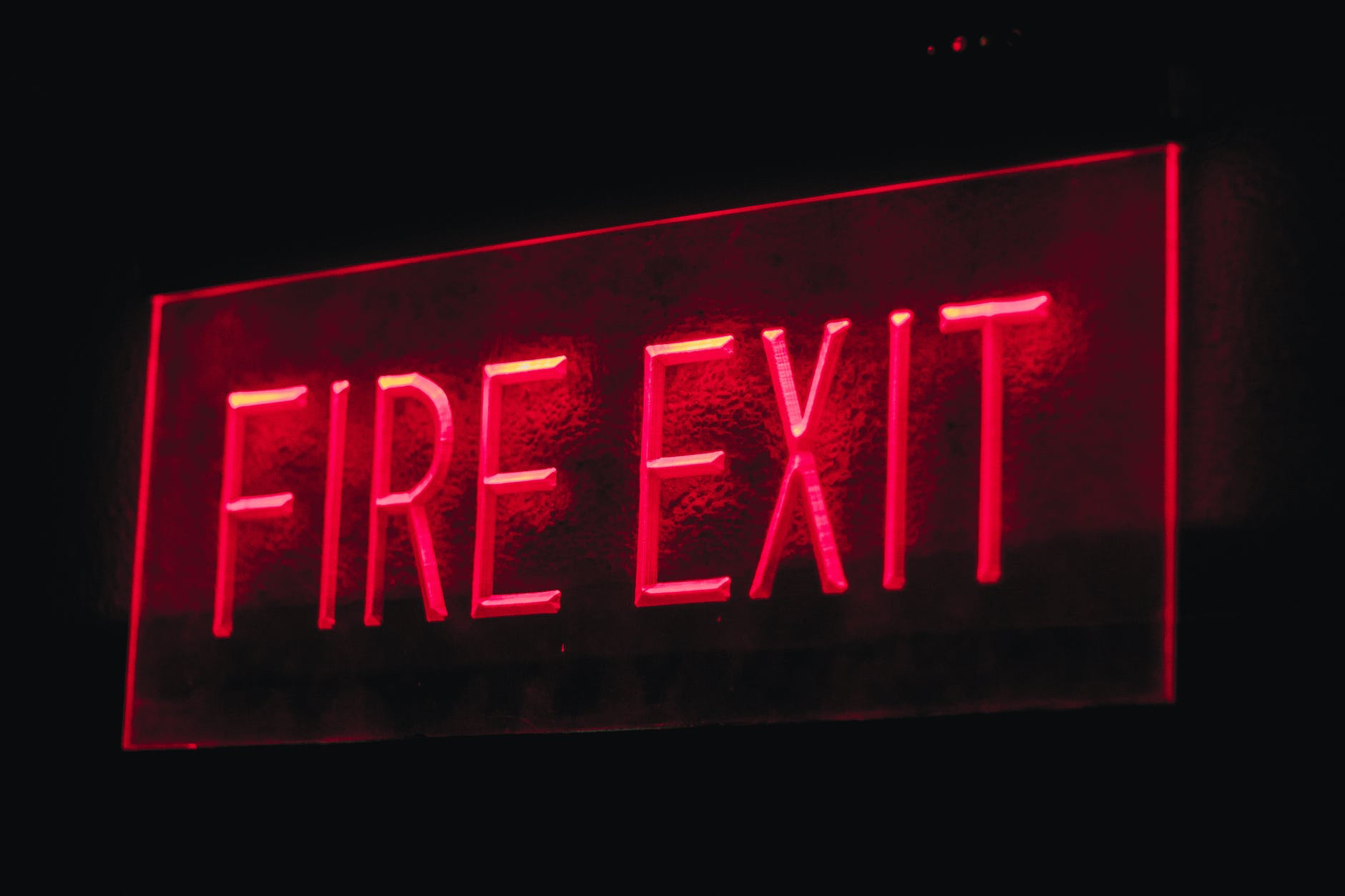
Review an exit plan for if there is a fire in your home. Collaborate and practice with those living in your home. Try to find two exit options for every room. If applicable, make sure windows easily open. If you live in a high rise, know where the stairs are. Remember if you cannot get away from the smoke, go low to the ground and move quickly.
FIRE SAFTEY TIPS FOR YOUR HOME
– Baseboard heaters are at least 12 inches from curtains and furniture.
– Chimneys and heating systems inspected, cleaned and repaired each year.
– Portable heaters are at least three feet from bedding and furniture; plugged directly into the wall, and turned off when you leave the room or go to bed.
– Every fireplace is equipped with a sturdy metal screen.
– Use as few cord adapters and extension cords as possible. Instead use a power strip that has a surge protector.
– Extension cords are only used for temporary use; are not tacked to walls, run under rugs or through doorways.
– Small appliances, like the toaster, are unplugged when not in use.
– Appliances have a seal of approval from independent testing lab.
– Matches and lighters are kept out of children’s reach in a secure place.
– Paint, varnish, and other flammables are stored in sturdy metal containers and in a cool place.
– Ashes from fireplaces and barbecues are only disposed of in metal containers.
– Candles are only lit when someone is able to keep an eye on them, and when placed in a sturdy holder away from things that can burn.
– Cooking is never left unattended and the stove is clear of items that can catch fire. In the event of a pan fire, cover it with a lid or cookie sheet and turn off the heat.
– The oven is never used to heat the home.
 Be Prepared Seattle