
Why exercise?
Aside from the obvious purpose of staying fit and taking care of your body, I would like to highlight the valuable stress management properties of even a small amount of exercise. The following 6 reasons for exercise as part of a whole health stress management plan are from a great article titled, “Move More, Stress Less!,” by Larry A. Tucker, August 2004 article from the Ensign magazine.
Following is a list of six stress-reducing benefits of exercise:
- Exercise can serve as a temporary diversion from our worries; escaping problems for short periods of time can revitalize and refresh us. Going for a bike ride or a walk around the block can afford temporary relief from the sting of stress and invigorate our bodies so we can again face the demands of the day.
- Exercise strengthens our bodies and increases stamina. Research shows that even a short period of physical activity can lift our spirits, raise our metabolism, and counter feelings of fatigue. Furthermore, once we develop a reasonable level of fitness, we develop energy reserves that will allow us to participate more fully in work and play.
- Exercise affords time for pondering and meditation. Walking, pedaling a stationary bike, or swimming laps requires little conscious thought. Therefore, exercise time can be used as a break to reflect and plan—valuable ingredients for good decision making and stress management.
- Physical exertion during the day promotes more restful sleep at night. Physical activity facilitates the release of tension, promotes muscle relaxation, and allows sleep to occur naturally. Generally, individuals who exercise regularly can relax more completely and sleep more soundly than those who are not active, especially when under stressful conditions.
- Exercise also tends to improve self-esteem and engender feelings of confidence, which are especially important in times of uncertainty. Since consistent participation in an exercise program takes self-discipline and hard work, faithful exercisers know they have persevered and accomplished something worthwhile. In general, those who exercise have greater confidence in themselves.
- Finally, regular exercise generates a healthier perspective on life. A study of more than 7,000 adults conducted at Brigham Young University showed that while adults who exercise have the same number of demands and pressures as those who don’t exercise, exercisers perceive significantly fewer problems in their lives. Despite stressful circumstances, exercise brings a more positive outlook.

How much exercise is appropriate?
“Exercise is a huge stress reliever – and so important for your body, mind, and mood… At least thirty minutes of some form of gentle to moderate movement every day, for example, walking, dancing, gardening, yoga, running around with your kids; with about an hour of a more rigorous workout three to four times a week – ideally a combination of cardio, weights, and stretching. You can mix it up any way you like; the important thing is to get SOME movement in every day so you’re not sedentary.” – Dr Aviva Romm, MD “Hormone Intelligence” HarperOne. June 2021.
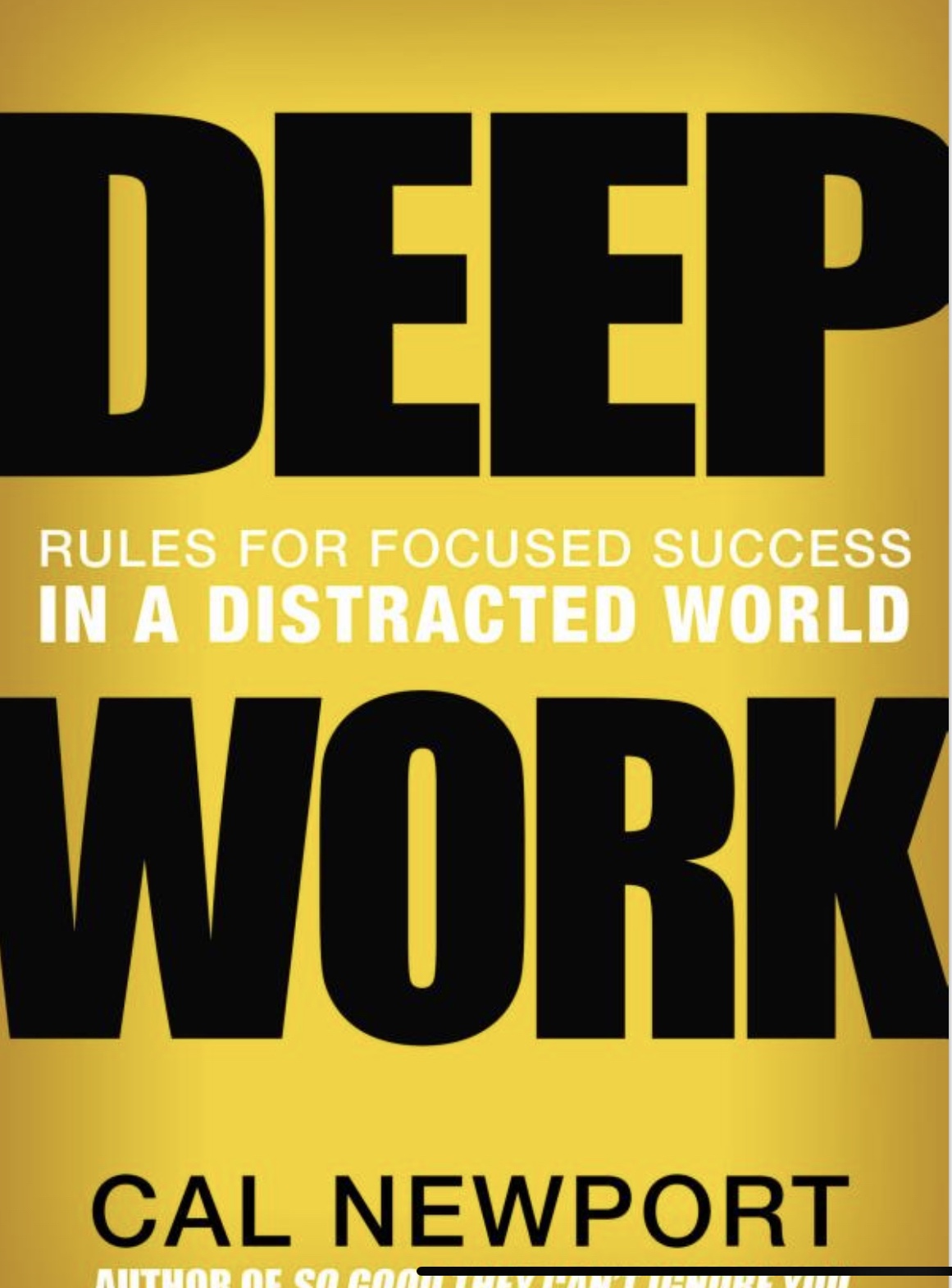
Book recommendation – disclaimer this is more on the work flow management side of reading, rather than some prescriptive exercise recommendations. It’s an interesting argument for walking outside as a way to clear and reset the mind after periods of deep work, or work requiring a lot of brain power. Book: Deep Work by Cal Newport.
 Be Prepared Seattle