Part of Emergency Preparedness is preventative actions. Before discussing safety gear for the care let’s remember some basics of behavior:
- Wear a seatbelt
- Get enough sleep at night, and do not drive when you are tired
- Do not speak on a cell phone or send, read , or write text messages while you are driving.
- Do not ride with someone who has been drinking or taking drugs.
- Wear a helmet when you ride a bicycle or motorcycle.
Depending on your car and home situation, you may want to store your 72 Hour kit in your car. Either way, you may wish to have a few emergency items in the car specific to road tripping.
If you are interested in a lot of these items, you may wish to purchase a pre-made emergency road kit, or you can build your kit up over time.
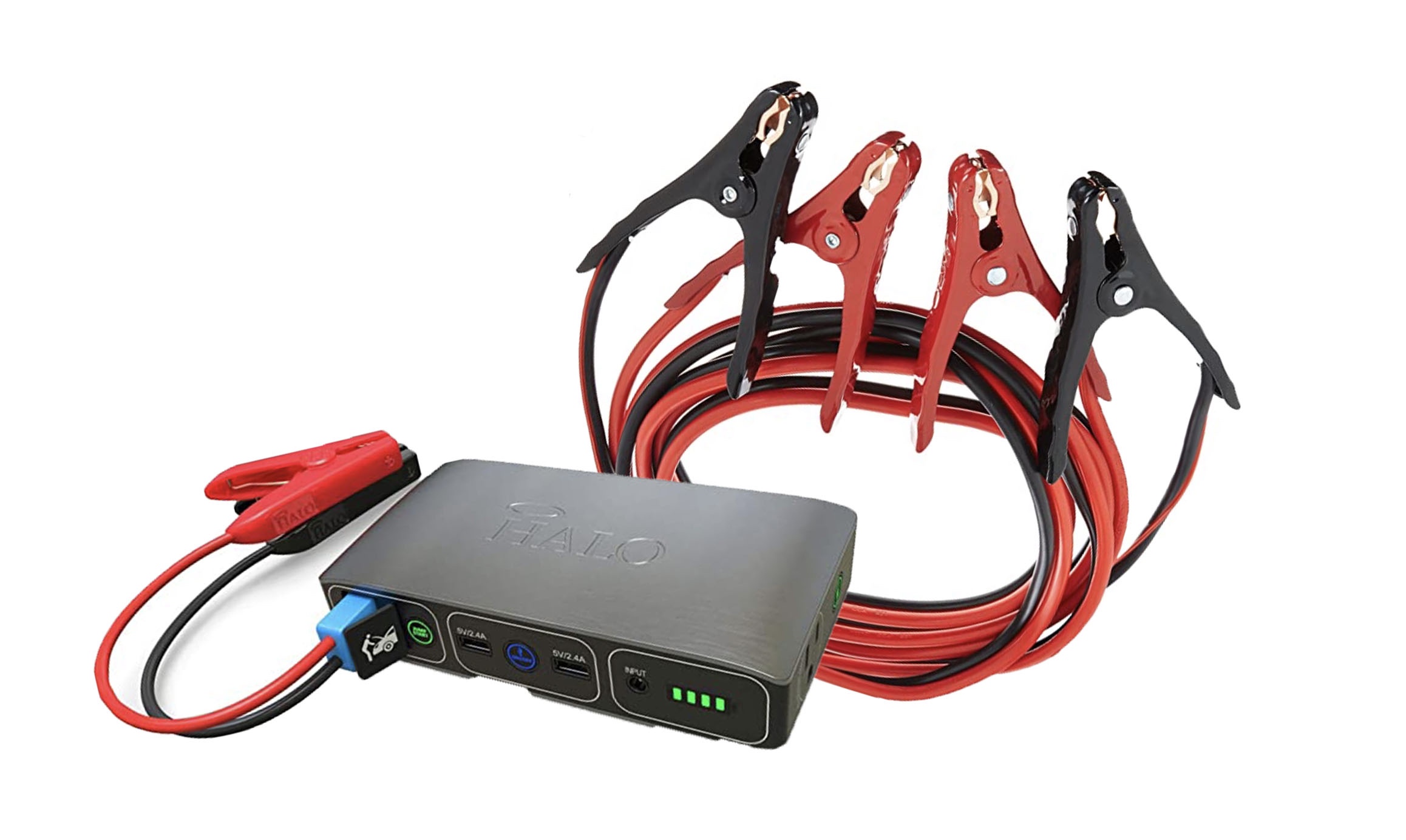
Jumper cables (~ $12-$25) or an automatic jumper battery, such as a Halo Bolt Battery pack (~ $100).

Make your vehicle easy to see if pulled over and stranded. Use an inflatable Luci Light ($18-$25) and set it to flashing by the back windshield. It can also double as a flash light, and is particularly good for hanging over an engine. Alternatively purchase plastic reflective hazard triangles ($15-$35) or LED road flares ($20).
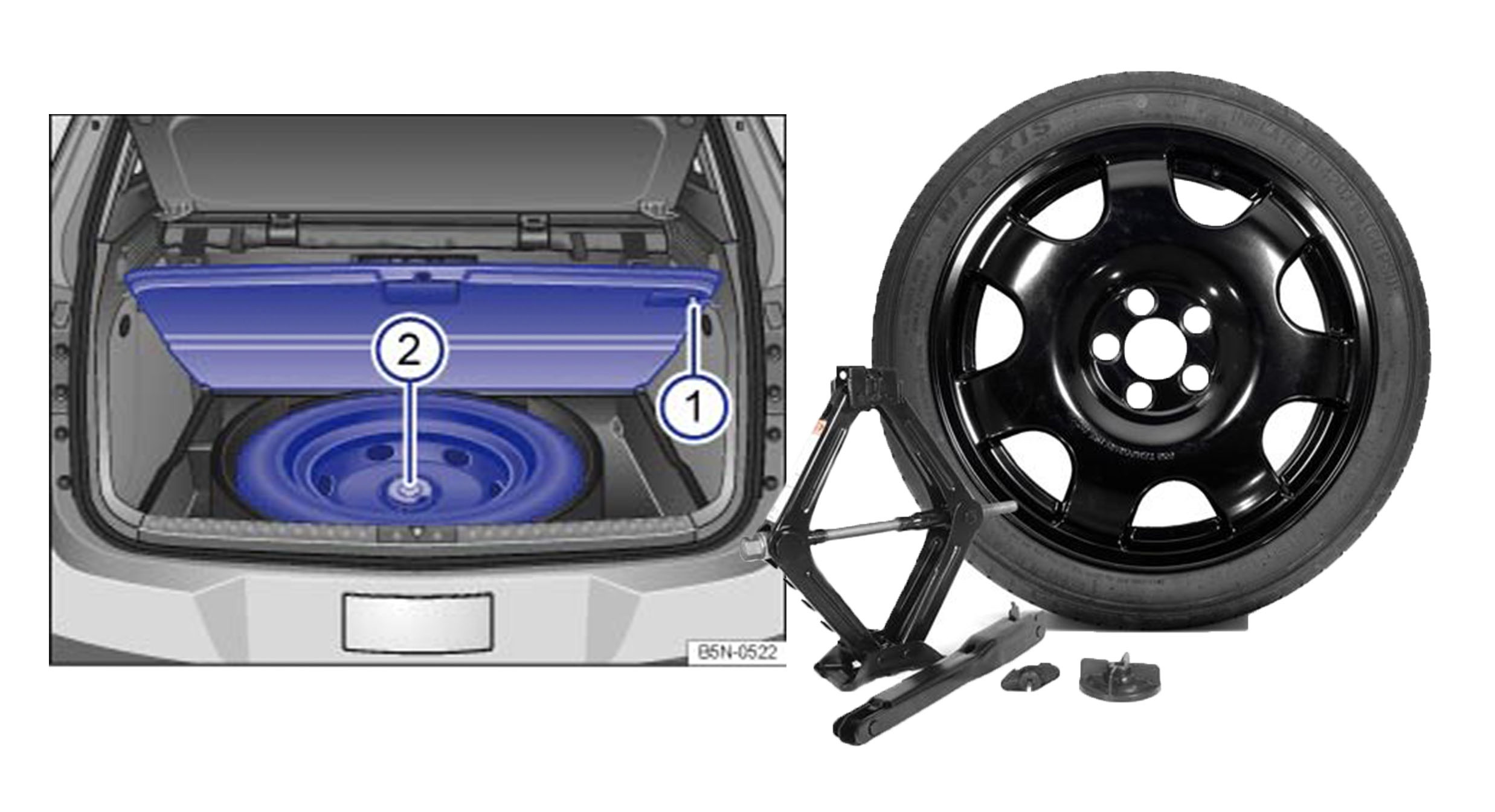
Changing a tire – know where your spare tire, wheel wrench, and tripod jack are in your car. You very well may be changing a tire in the wet – throw in a small disposable plastic rain poncho too.
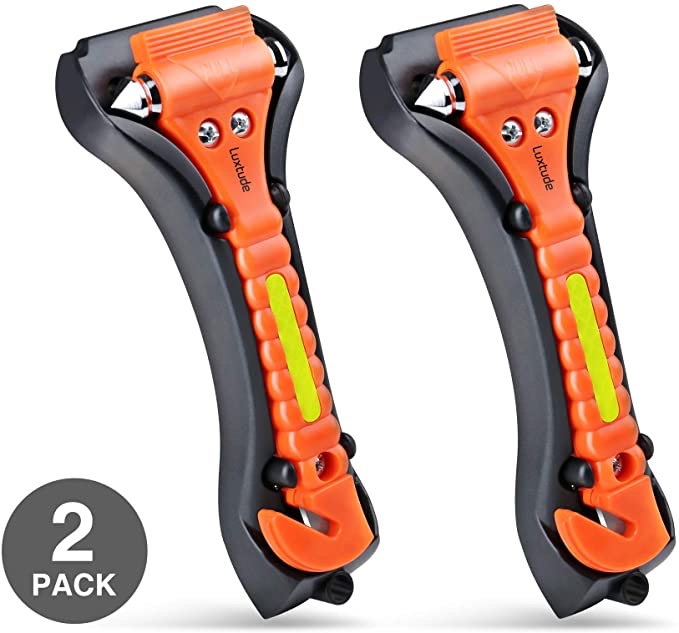
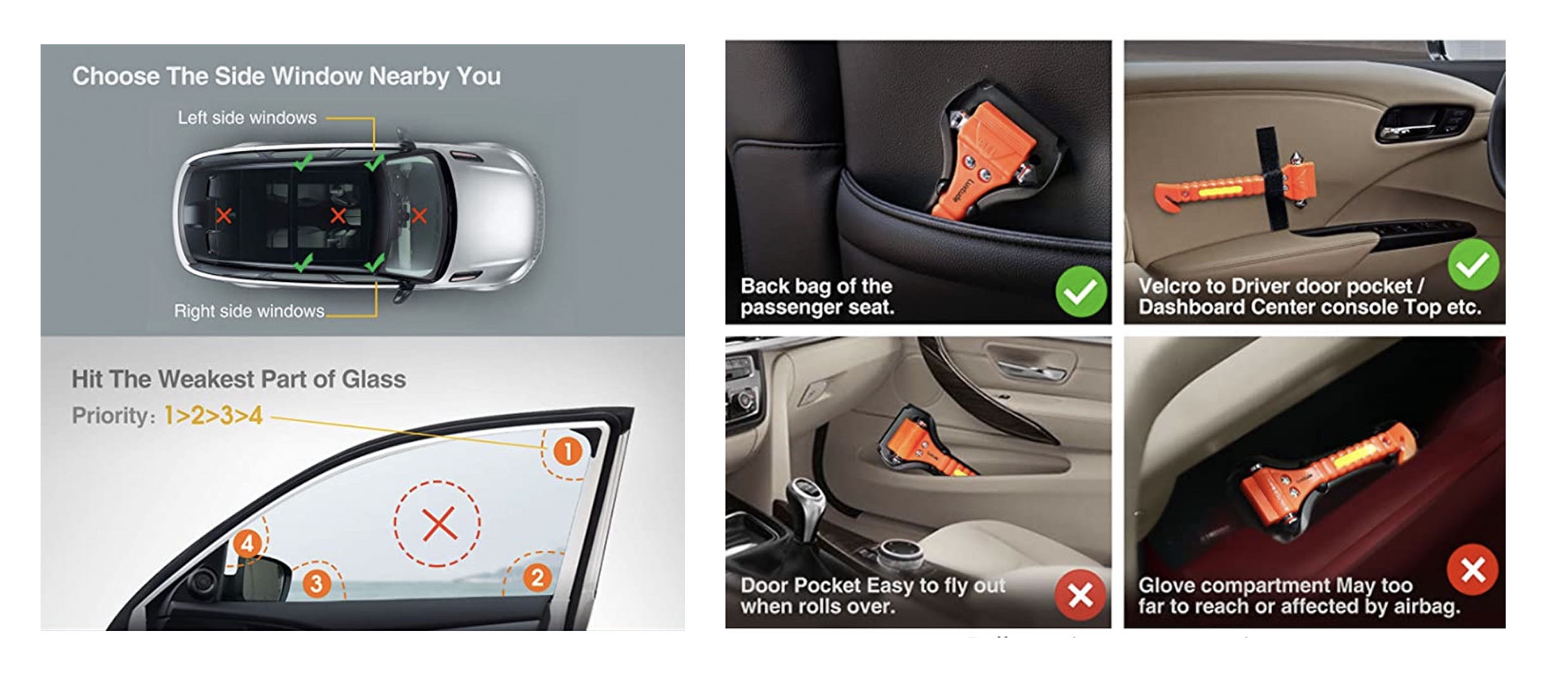
A car escape tool ($5) is make to break passenger window glass and/or cut seatbelts to escape from a vehicle after an accident. You can also buy smaller keychain versions.
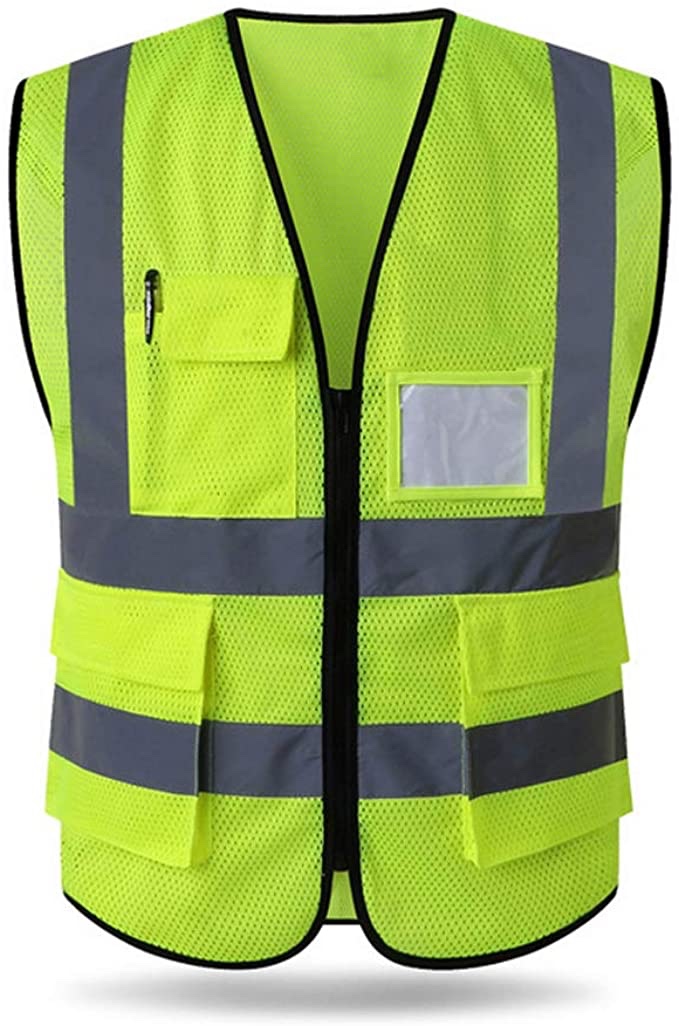
Include in your kit any reflective high visibility vest in case you have to walk to get help.
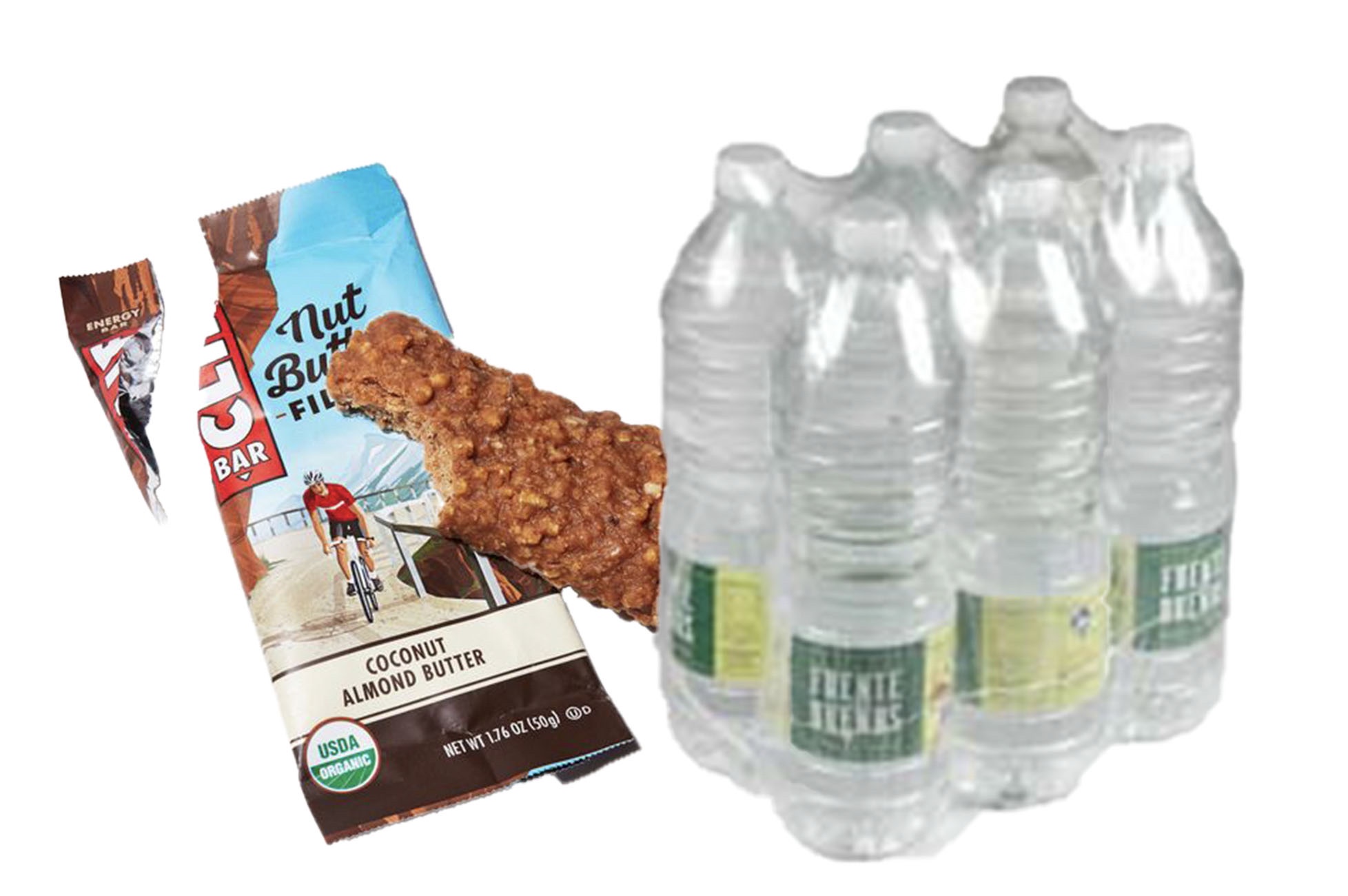
I think this goes without saying, but have some water and some snacks in your car. Check expiration dates every 6-12 months.
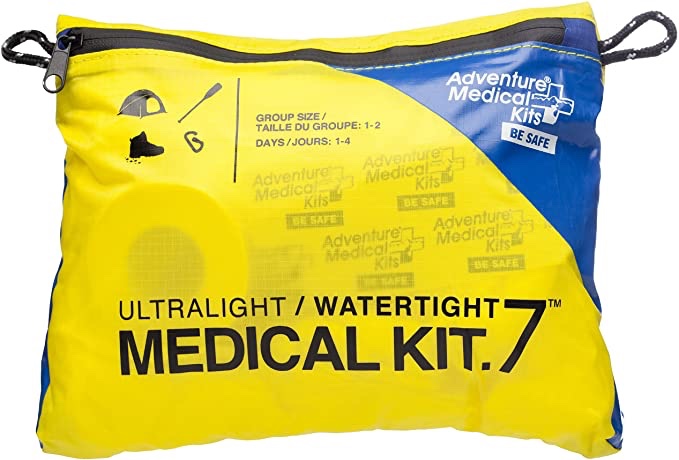
Have at least a basic first aid kit in your car. While there is a separate section of this website for first aid, I like the Adventure Medical kits. There are several different sizes – this is a medium kit for around $30.
Many in the city park on the street – do you have the gear to tape up your window if it gets broken? Make sure to have scissors, masking tape, duct tape, and an industrial plastic garbage bag (stronger than your average kitchen garbage bag). Instructions can be found here at familyhandyman.com.
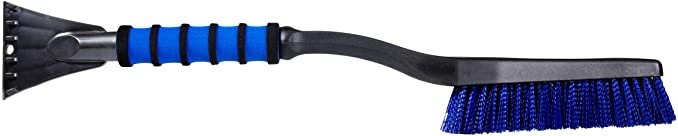
I know we don’t use these very often in Seattle, but when you want one – you want one! Smaller ice scrapers can be purchased for as cheap as $3. Put one in your car today.

I recommend having a blanket in the car for all sorts of reasons. Everything from keeping warm to that spontaneous picnic you didn’t plan.

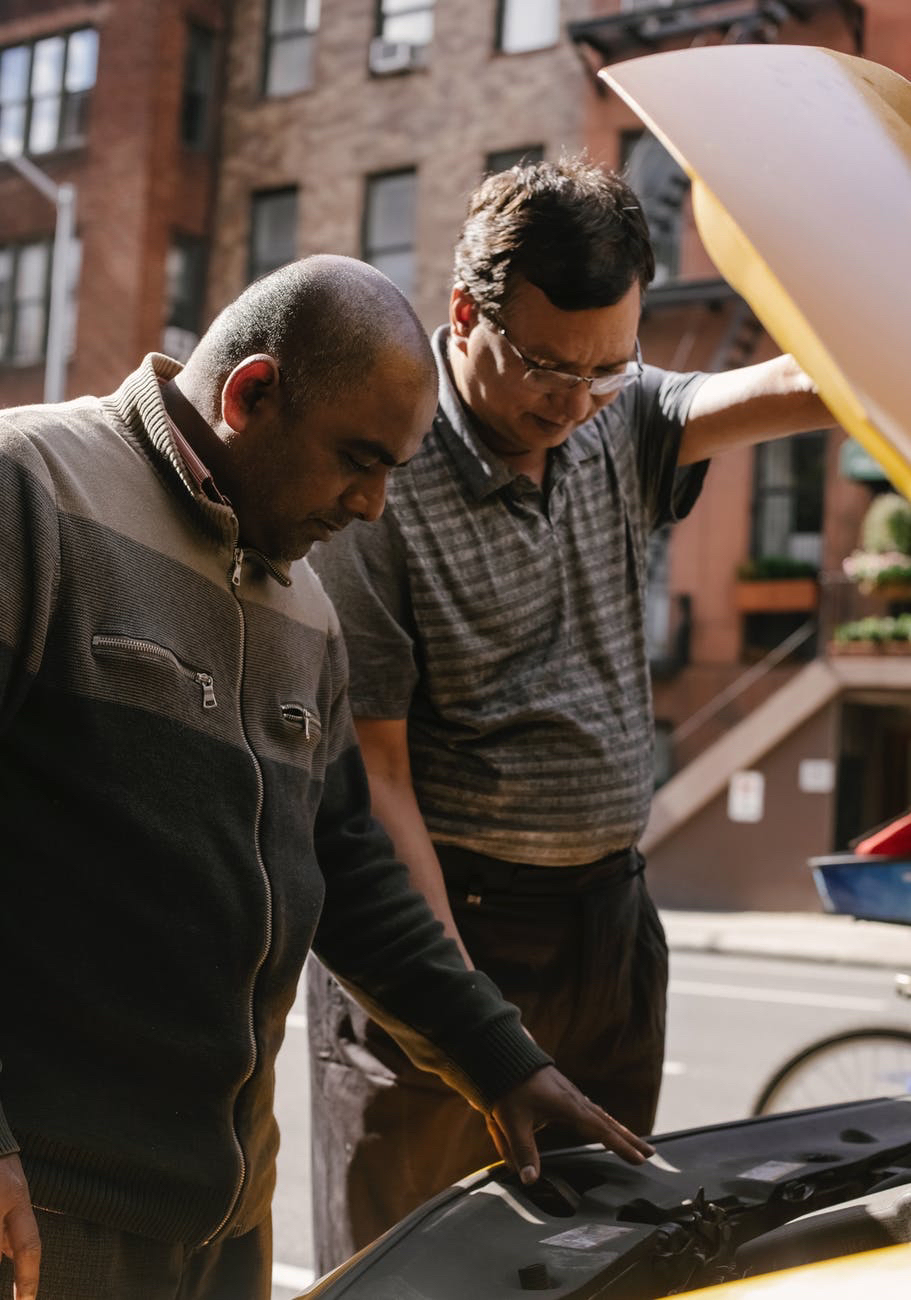
It’s great to not be in a disaster alone. Consider subscribing to a car help agency, such as AAA or one offered by your car manufacturer (such as Subaru Roadside Assistance). Some car insurances, like Geico, have similar services built into their policies. It’s worth checking what is covered on your car insurance policy and entering the contact phone numbers and/or App into your phone.

Lastly, know and take care of your vehicle. Does your car tend to go through a lot of oil? Know how to put more in and carry some spare oil. Same for windshield wiper fluid. To catch and prevent potential problems make sure you get your vehicle regularly serviced and checked.
PARKING LOT SAFETY TIPS:
- Always keep your doors locked when driving and when you are parked until you are ready to get out of your car.
- Assess your environment before you exit the car and have situational awareness in mind. Have your belongings in your hand with keys ready to lock the door. Don’t be distracted by fumbling around in your car looking for things.
- Lock your door immediately after exiting your car and have your head up, scanning your environment. Question everything with “does that look normal?” Don’t walk too close to parked cars because this is a perfect spot for a predator to hide – distance is your friend.
- When walking back to your car look ahead and make sure no one is just hanging out by your car. If there is someone, go back into the place you left and call security. Remember, when you’re walking in a group you are less of a target.
- Carry a whistle and a flashlight when walking at night.
- Carry your cell phone with you at all times and don’t hesitate to call 911 to report suspicious or criminal activity.
- Don’t be an easy target; for example, someone wearing earphones or distracted with a phone – unaware of surroundings.
- Trust instincts – if something doesn’t feel right; it probably isn’t!
 Be Prepared Seattle