
First of all, you may be worried about a tsunami. For Seattle, the flooding risk from a tsunami after a large earthquake is very specific and quite low (see map below). Unless you are right on the waterfront or at the Port of Seattle it shouldn’t be your first worry. If you are in a tsunami risk zone, then review a plan to get to higher ground immediately after an earthquake.

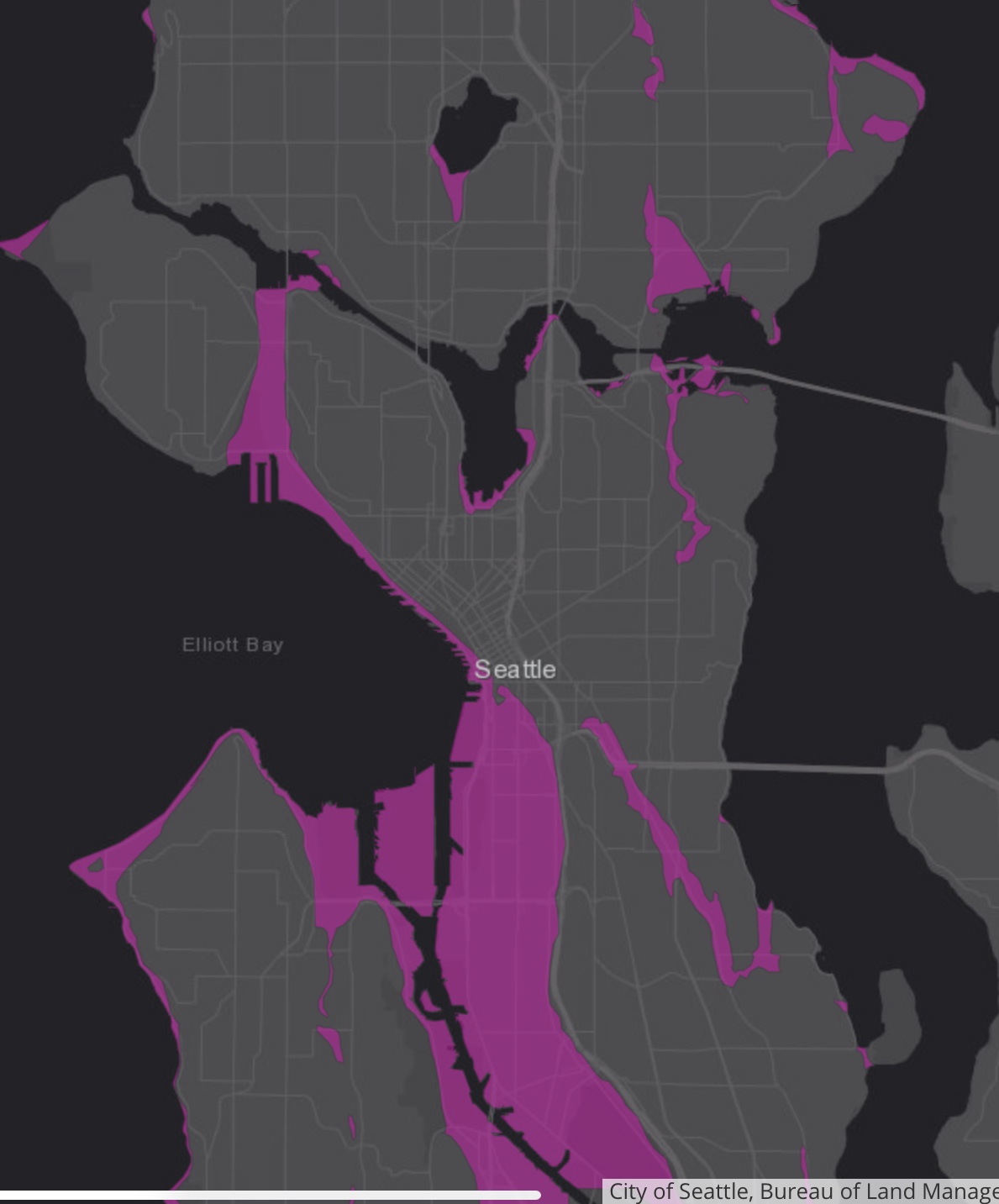
Check the Seattle Hazard Map to see if you are in a liquefaction zone (pink zones on this map). These are areas where the shaking causes water to come up through the ground creating flooding, unstable buildings, and greatly limiting transportation. Of particular concern is the area right around University Village due to its high population density. Learn more about liquefaction in the video below:
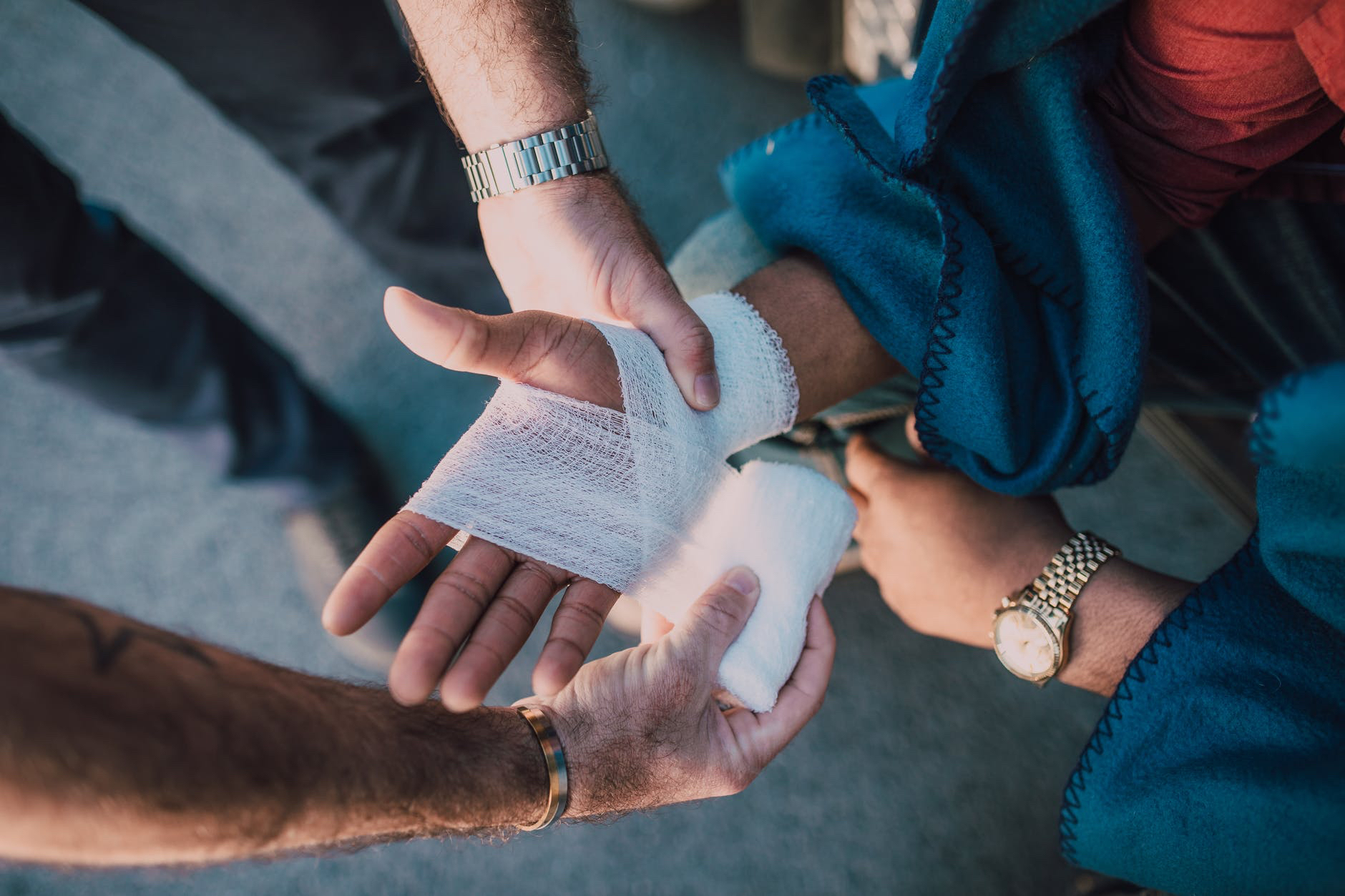
First things first – after an earthquake check for injuries and administer first aid to the best of your ability. Have a good first aid kit and know how to use it. Further protect yourself from injury by wearing good heavy shoes, workers/gardening gloves, and a bike helmet or hard hat; especially if around brick buildings or working around rubble (think falling bricks and aftershocks).
- DO NOT attempt to move seriously injured persons unless they are in further danger of injury
- COVER injured persons with blankets to keep warm
- Do not be surprised if 911 is jammed/ paramedics are not immediately available. Do not use your phone unless you have to, as to keep lines clear for emergency use.
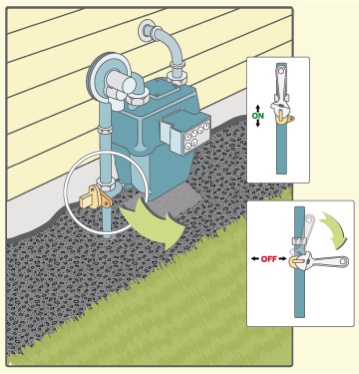
Check for immediate hazards such as fires, gas leaks, downed utility lines and fallen objects.
Turn off gas only if you suspect a leak from a broken pipe or are smelling gas. Know how to turn off the gas line. You can also get seismic shut-off valves installed that will automatically turn off the gas in the event of a significant quake.
If you smell natural gas, see a broken gas line, or hear gas escaping, leave the area immediately and call 911. Then call Puget Sound Energy at 1-888-225-5773. You can do the same for downed power lines.
If the electrical wiring in your home or flat is broken, then turn off the power by flipping the main breaker switch.
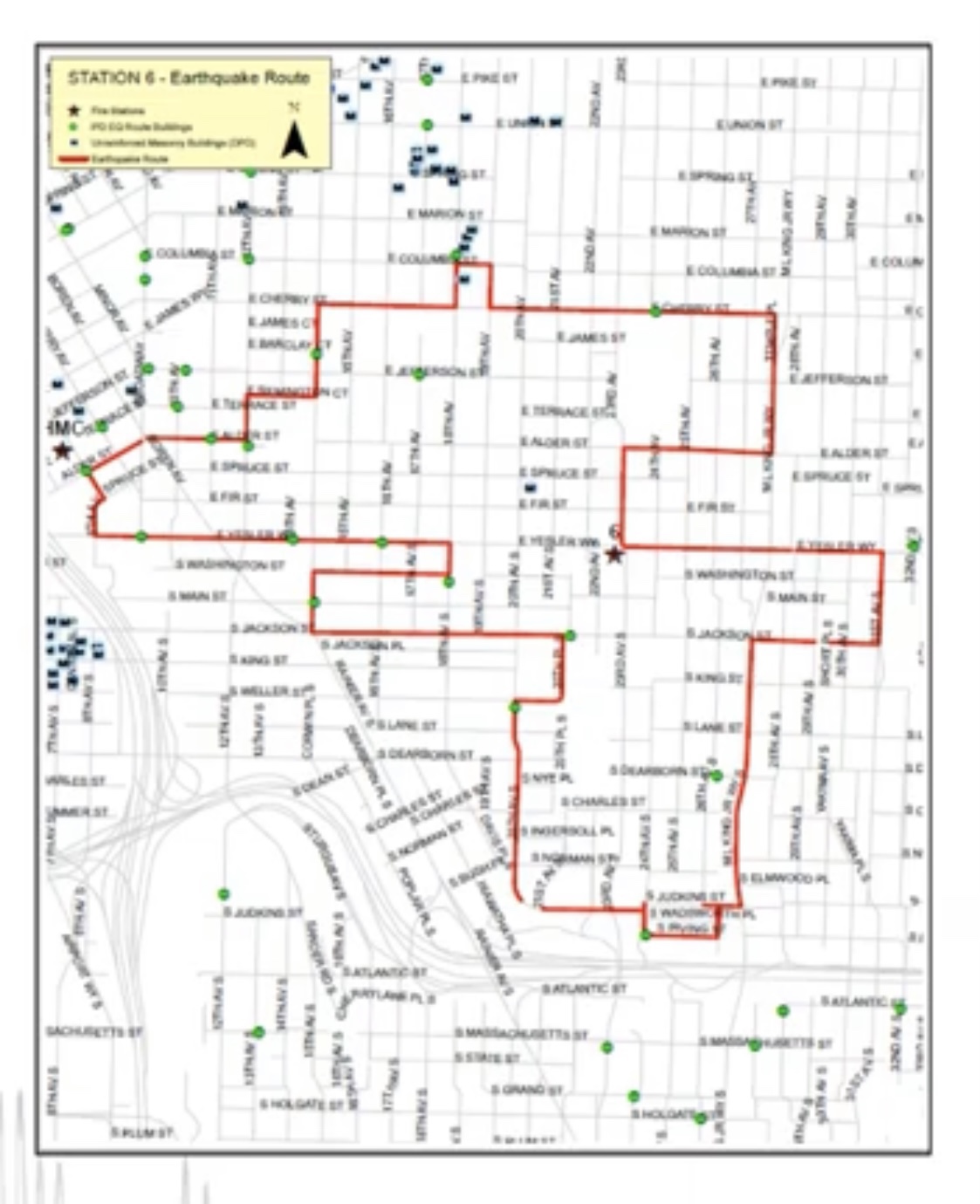
Fire is the largest threat to Seattle after an earthquake.
“Structural fires can occur as a secondary impact from a civil disorder or earthquake. The Seattle Fire Department has prepared plans for triaging incidents in this situation. This planning emphasizes first performing windshield surveys to grasp the extent of the problem, then responding to the most critical situations. If resources are unable to command all incidents, some fires may be left to burn or only enough resources will be committed to prevent the fire from spreading to adjacent structures.” – City of Seattle Emergency Planning, SHIVA report
There is an excellent and very detailed video about Seattle Fire Department’s emergency response plan for after an earthquake.
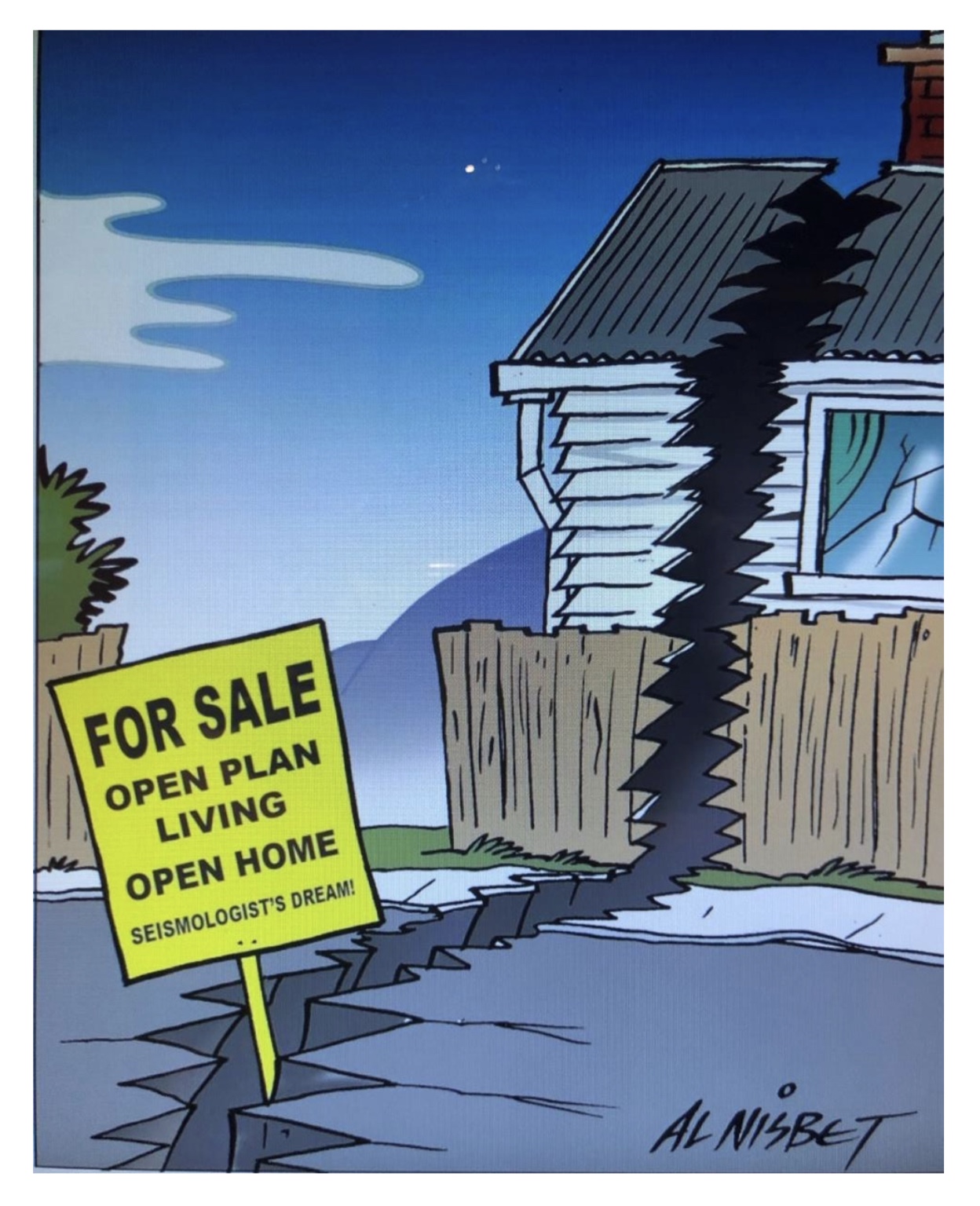
Figure out if it is safe to stay inside or not – inspect your home for cracks, damage, or collapse. General structural principles are: wooden structures move with the shaking better than brick or cement. High rises are generally stable/safe – especially if built after 1995. Brick buildings, especially those that are not reinforced are a huge problem. Older cement buildings can also be problematic depending on how well they are (or are not) reinforced.
Decide if you will shelter in place, or leave your home.

These “help” and “okay” signs were created by the city to post in your window to assist those walking neighborhoods and triaging who needs help. Print out your own:
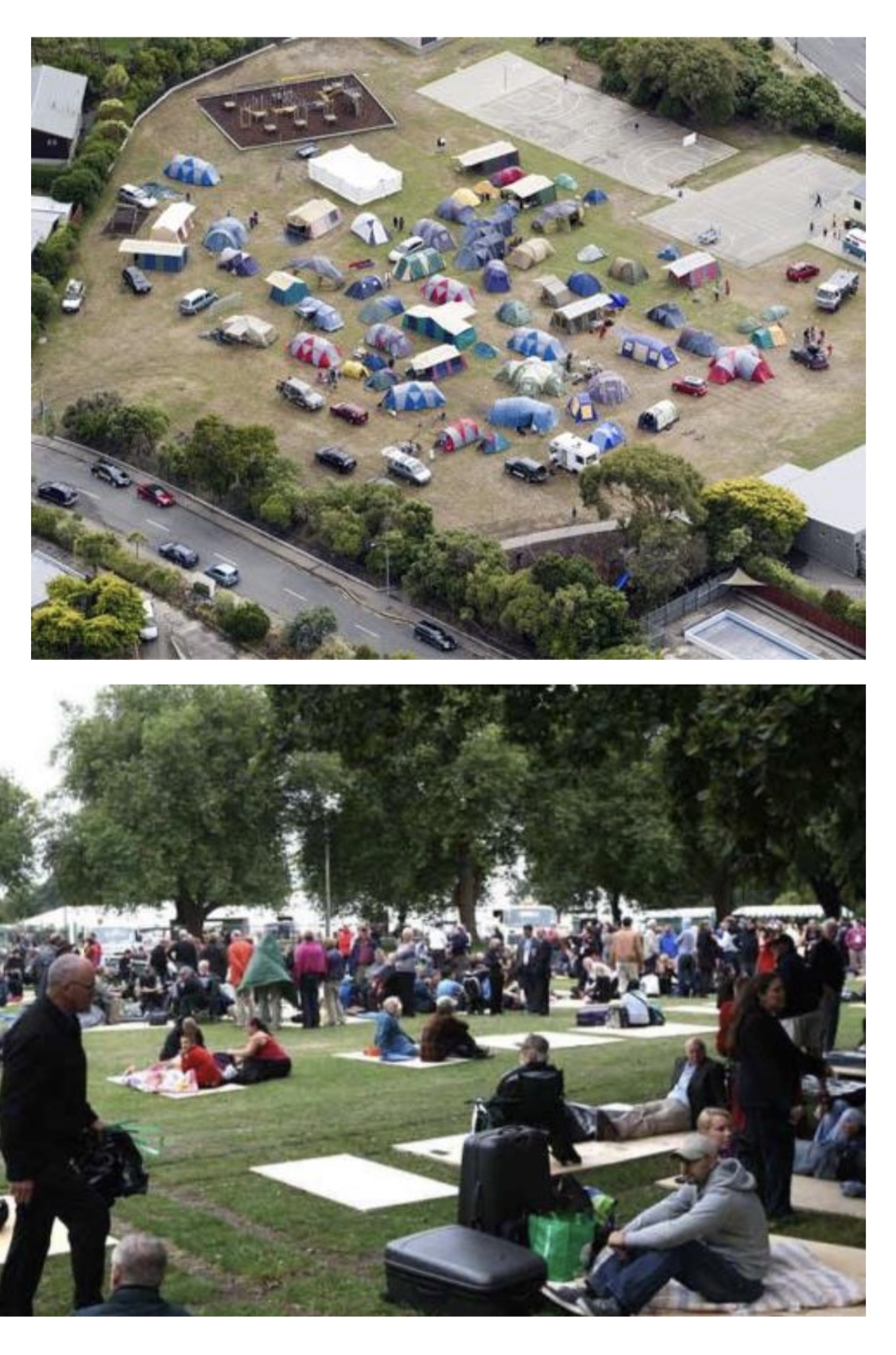
If you leave your home… where will you go? You could stay in your car. Transportation will be very limited, so don’t plan on driving very far anywhere. Staying outside is an option, and you may find yourself in more of a urban camping situation. Many HUB and park locations would be appropriate places to congregate.
If you feel that your home may be unsafe to the point of evacuating after an earthquake, then have some basic camping gear on hand, such as a sleeping bag, tent, flashlight, etc… Most folks have some amount of camping gear. Make sure this gear is kept together and is in good working order.
The picture above are folks camping on a school law after the Kaikoura, New Zealand, earthquake and the picture below it are residents of Christchurch, New Zealand, in Hagley Park after the 2011 earthquake.
Once your own family and/or building or neighborhood is secure, then you may wish to help response and recovery teams.
Community Emergency Response Team (CERT) are trained volunteers that can provide help in their immediate areas. This is a national program, and you find your local CERT training center HERE.
The Seattle Earthquake Response Webinar Series is a group of excellent public community lectures from different City of Seattle departments about how they are preparing and would reposed after an earthquake. Each is an hour to an hour and a half in length, and very comprehensive.
 Be Prepared Seattle