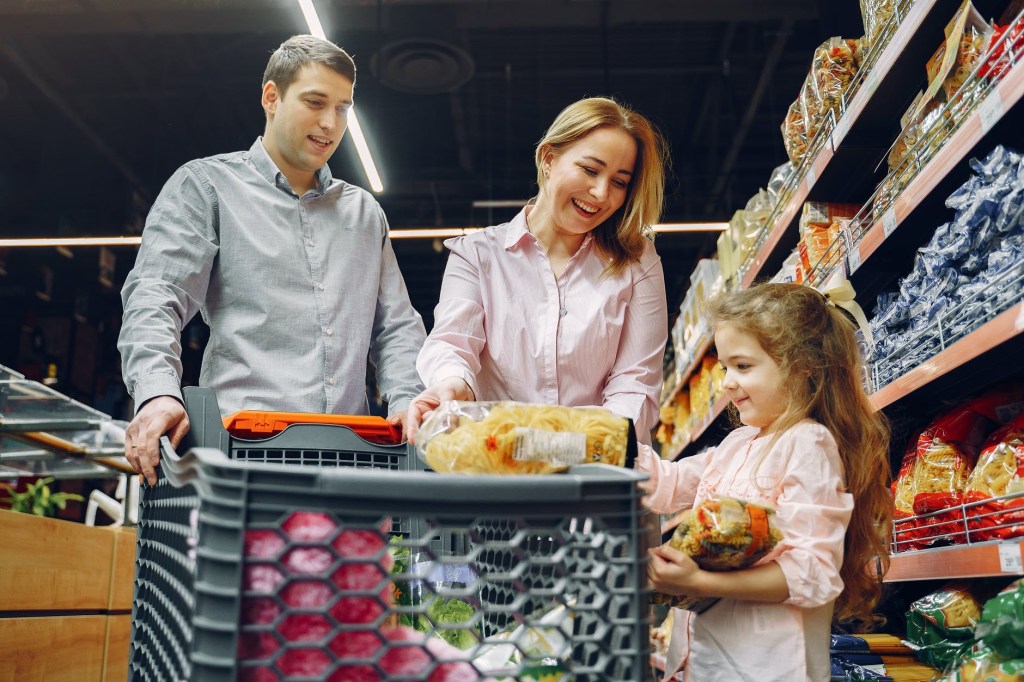
Having 2 weeks worth of food in your home is not just for emergency preparedness – it can also help you eat out less, stay healthier, and save money. Here we examine what could be stored in your pantry, as well as the fridge or freezer.
Emergency Prepared 2 weeks ready
This is where you build a pantry full of shelf-stable easy to prepare (i.e. “heat and eat”) food to use if a major disaster kept you at home – for Seattle this could be snow, the COVID pandemic, an earthquake, or even civil unrest.
Start with some paper – brainstorm what you might eat in this scenario. For example, what could you do with just a pot and/or boiling water and no oven or fridge? Make a menu to guide your food purchases. Remember you do not need to buy all this food at once – build up your pantry over time. And only buy items you will actually eat, as you will want to rotate this food storage and not let it expire!

Shelf stable heat-and-eat food ideas:
- Mac’n’cheese
- Canned, or instant soup packages
- pasta + sauce + canned tuna or chicken
- Peanut butter sandwiches
- Canned beans, corn, chili, etc…
- Instant or old fashioned oatmeal
- Granola bars
- Ramen noodles
- Instant mashed potatoes and gravy
Cooking with out electricity

In the city cooking without electricity can be a bit tricky unless you have a fireplace or BBQ (although an outdoor BBQ in the snow might not be much fun). Camping stoves, and even smaller hiking stoves, are good emergency prep items, but remember to have fuel on hand and that they have to be used outside.
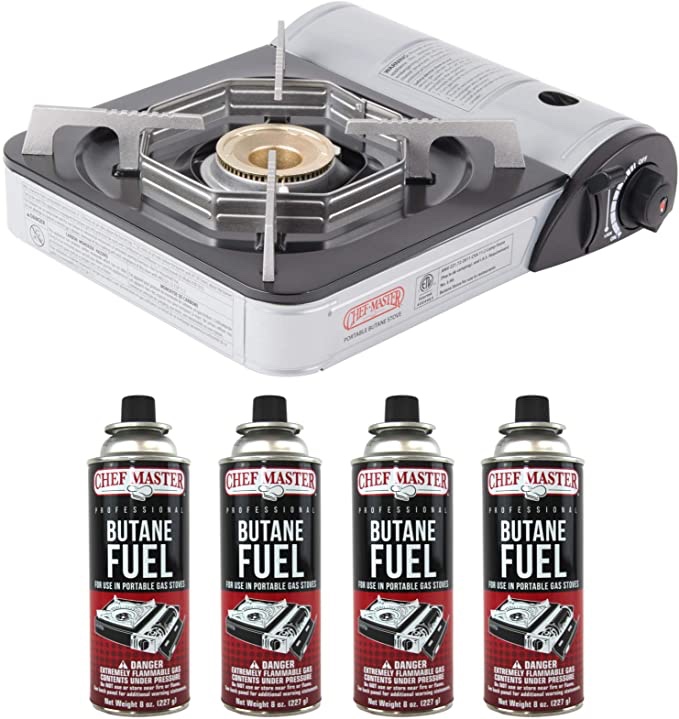
As my apartment does not have a BBQ or fireplace, I have purchased a butane stove, which is one burner that runs off of cans or cartridges of butane, which can be used indoors with proper ventilation.
Two weeks of food at home – kitchen cooking staples
Here is where we talk kitchen staples. Let’s take it by area. I would recommend always start with menu and meal planning as your guide as to what to buy.
Fridge stable foods
Some fruits and veg keep better in the fridge than others – consider having a few of these items in your fridge:
- Apples
- Oranges
- Oninos
- Potatoes
- Beets
- Carrots
- Cabbage
- Broccoli
- Kale
I also always keep a good supply of eggs on hand – they’re nice to have available for baking, or simply for breakfast.
Your Freezer
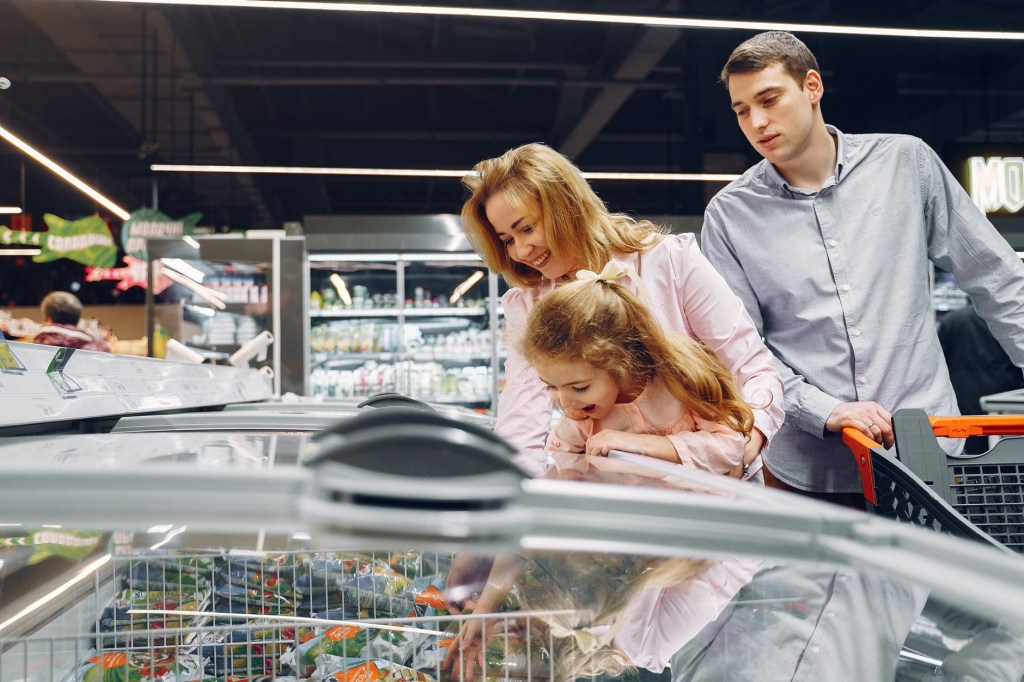
Consider storing prepared meals in your freezer for when you need a quick dinner. These could be either store-bought or homemade. The freezer is a great place to store meat and fish – make sure to have some as part of your pantry essentials. The same goes for desserts – yum.
Pantry Staples
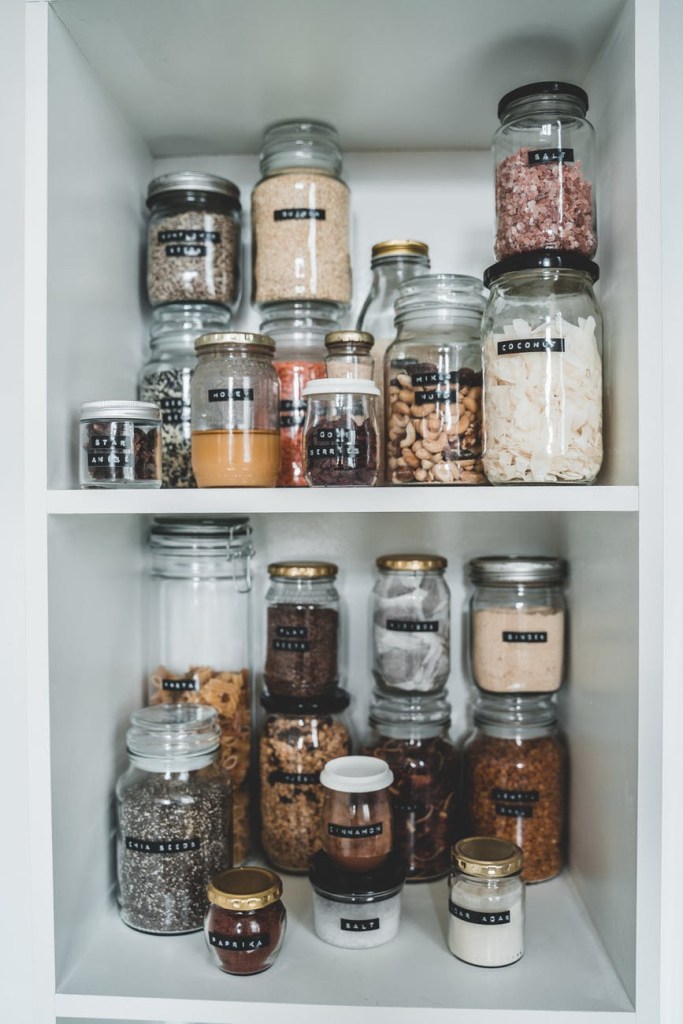
Getting beyond the quick-fix meals let’s talk cooking staples. Consider having the following on hand:
- Flour
- Oats/ oatmeal/ rolled oats
- Almond flour
- Sugar (powdered, regular, brown, etc…)
- Baking powder
- Baking soda
- Salt
- Rice
- Beans
- Olives
- Pasta
- Quinoa
- Shredded coconut
- Pumpkin seeds
- Sunflower seeds
- Chia seeds
- Nuts – cashews, pecans, walnuts, hazelnuts, almonds, etc…
- Dried fruit (apricots, dates, raisins, cranrasins, etc…)
- Apple cider vinegar
- White wine vinegar
- Rice vinegar
- Soy Sauce
- Toasted sesame oil
- Basaltic vinegar
- Olive oil
- Coconut oil
- Vegetable oil
- Lemon juice
- Vanilla extract
- Chocolate chips
- Honey
- Maple syrup
- Mayo
- Ketchup and mustard
- Salsa
- Pickles
- Peanut butter
- Jam or Jelly
- Chicken or Beef stock (or bullion cubes)
…and don’t even get me started on spices! Spices are wonderful and could be a whole separate post. Needless to say, let me just leave you with the challenge of trying a new recipe using spices that you have never used before. Oh, and get a pepper grinder, even if it’s the cheap built-into-the bottle kind – fresh pepper is a must!
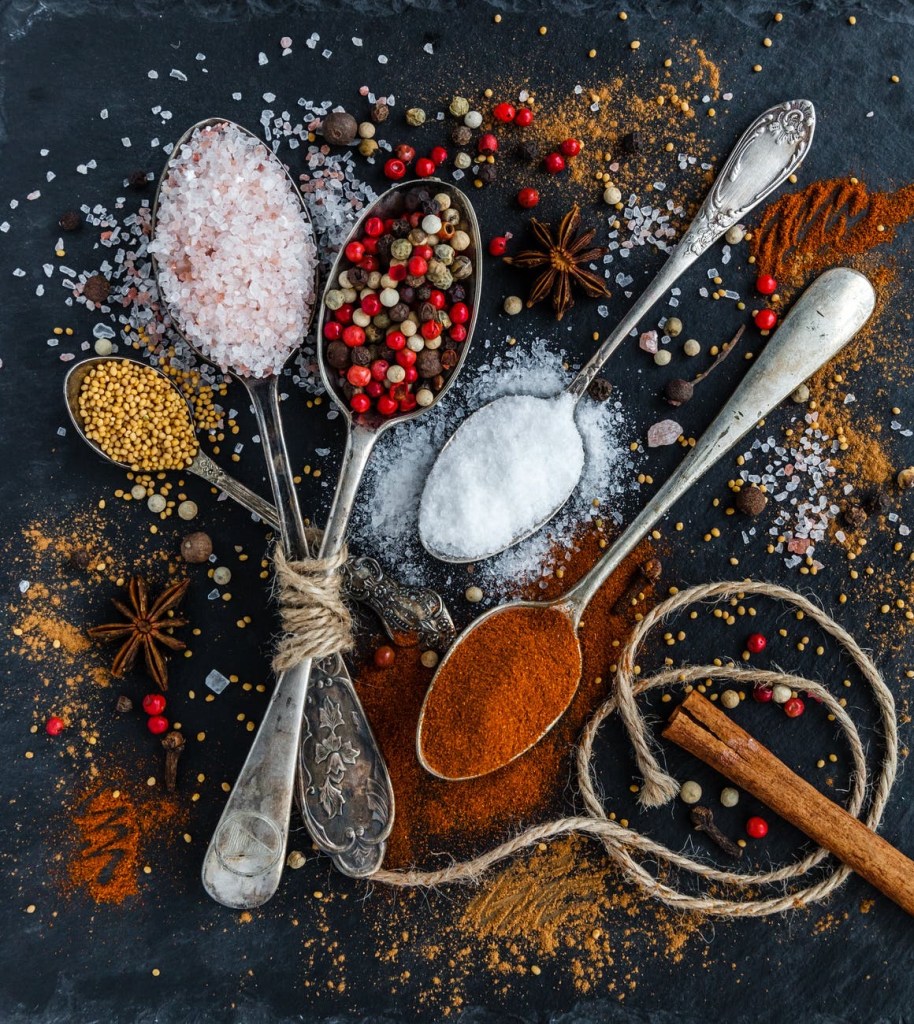
A more in depth list of food ideas for stocking your fridge, freezer, and pantry with the basics can be found HERE.
 Be Prepared Seattle